
How High Cushioning Running Shoes Improve Stability and Stride
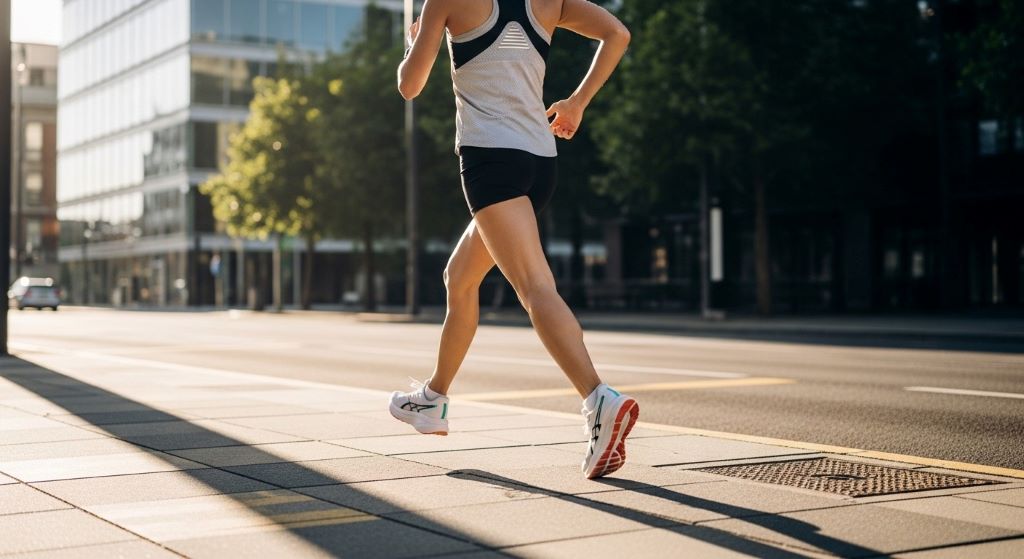
Running is more than just putting one foot in front of the other. The shoes you wear can make a significant difference in how you move, how you feel, and how well you perform. Many runners are turning to high cushioning running shoes to enhance their experience on the road or trail. These shoes offer benefits that go beyond simple comfort, providing crucial support for stability and stride efficiency.
Understanding how cushioned footwear works can help you make better choices for your running journey. Whether you’re a beginner taking your first steps or an experienced marathoner, the right shoes matter. This article explores how premium cushioning footwear transforms your running experience through improved stability and better stride mechanics.
The Science Behind Cushioning Technology
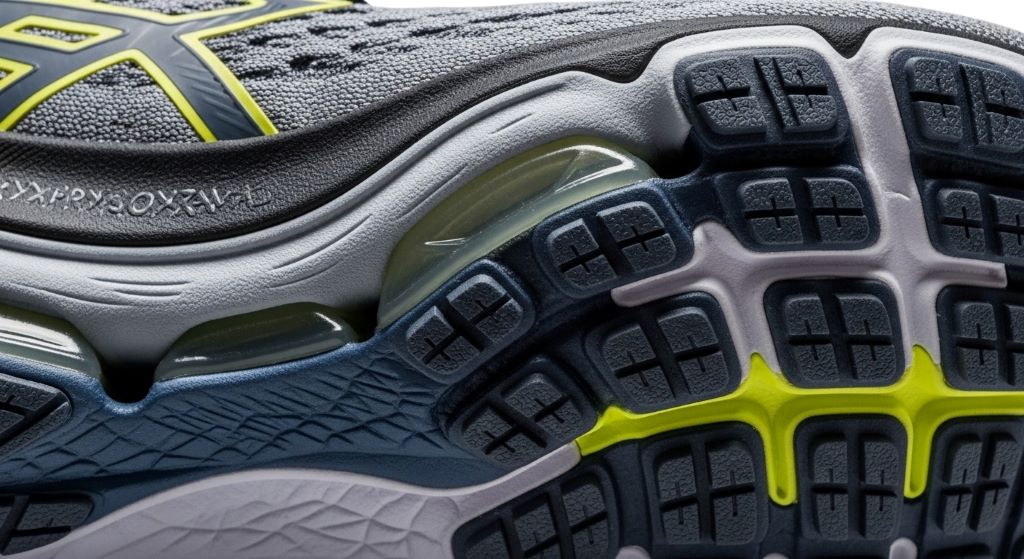
Modern running shoes incorporate advanced materials designed to absorb impact and distribute pressure evenly across your feet. When your foot strikes the ground, forces equal to several times your body weight travel through your legs. Cushioning systems help manage these forces, reducing the stress on your joints and muscles.
Engineers and biomechanics experts work together to create foam compounds that offer the perfect balance between softness and responsiveness. These materials compress upon impact, then quickly return to their original shape. This process happens thousands of times during a single run, protecting your body with each step.
Additionally, the placement of cushioning varies throughout the shoe. High-wear areas receive extra padding, while other zones maintain flexibility for natural foot movement. This strategic design helps runners maintain proper form even as fatigue sets in during longer distances.
How Thick Sole Running Shoes Enhance Stability
Stability is a critical factor for runners of all levels. Without proper stability, you risk injury and inefficient movement patterns. Thick sole running shoes provide a wider base of support, which helps prevent excessive inward or outward rolling of the foot during the gait cycle.
The increased stack height in these shoes creates a protective barrier between your foot and the ground. This barrier doesn’t just absorb shock; it also provides a more forgiving platform for runners who may have slight biomechanical imperfections. Therefore, runners with pronation issues or those recovering from injuries often find these shoes particularly beneficial.
Furthermore, the enhanced stability comes from the shoe’s ability to maintain structural integrity throughout the run. As cushioning compresses and rebounds, the shoe’s framework keeps your foot aligned properly. This consistent support helps reduce the risk of ankle rolls and other common running injuries.
Many runners worry that more cushioning means less ground feel and control. However, modern designs have addressed this concern through innovative construction methods. The result is a shoe that offers both protection and connection to the running surface.
The Connection Between Cushioning and Stride Efficiency
Your stride is the foundation of your running performance. It encompasses stride length, cadence, and the smoothness of your movement pattern. High cushioning shoes influence all these elements in positive ways that many runners might not immediately recognize.
When your feet land on well-cushioned soles, the impact forces are managed more effectively. This allows your muscles to focus on propulsion rather than just absorbing shock. Consequently, you can maintain your energy levels longer and run with less fatigue.
The springiness of premium cushioning footwear also contributes to improved stride efficiency. As the foam compresses and rebounds, it returns some of the energy from each footstrike back to you. This energy return might seem small on a single step, but it accumulates significantly over thousands of steps during a run.
Moreover, comfortable feet allow you to focus on your form and pace rather than discomfort. When you’re not distracted by pain or pressure points, you naturally settle into a more efficient rhythm. This mental freedom translates directly into better physical performance.
Reducing Impact Stress on Joints and Muscles
Every runner eventually deals with the accumulated stress that running places on the body. The repetitive nature of the sport means that even small amounts of excess impact can lead to problems over time. High cushioning shoes serve as your first line of defense against these cumulative forces.
Your knees, hips, and lower back all benefit from reduced impact stress. The cushioning acts like a buffer, spreading out the force of each footstrike over a longer period. This gentler deceleration means less shock traveling up through your skeletal system.
Additionally, softer landings can help prevent common overuse injuries such as shin splints, stress fractures, and plantar fasciitis. Runners transitioning to cushioned shoes often report feeling fresher after their runs and experiencing less next-day soreness.
The protective benefits extend beyond just the immediate impact. By reducing the stress on your joints, you’re investing in your long-term running health. This becomes increasingly important as runners age or increase their weekly mileage.
Adapting to Different Running Surfaces
Different terrains present unique challenges for runners. Roads, trails, tracks, and treadmills all feel different underfoot and require different levels of protection. Premium cushioning footwear adapts well to various surfaces, making them versatile options for runners who like to mix up their routes.
On hard surfaces like concrete and asphalt, the cushioning becomes especially valuable. These unforgiving materials offer no natural shock absorption, so your shoes must provide all the protection. Thick sole running shoes excel in these environments, turning harsh pavement into a more manageable running surface.
Trail running introduces rocks, roots, and uneven ground into the equation. While trail-specific shoes exist, cushioned road shoes can still perform well on moderate trails. The extra padding protects your feet from bruising when you step on obstacles, allowing you to focus on navigation rather than foot pain.
Furthermore, cushioned shoes can help compensate for surface inconsistencies. When one foot lands on a slightly higher or lower spot, the cushioning helps even out the difference. This adaptation happens automatically, helping you maintain balance and rhythm across varying terrain.
Finding the Right Amount of Cushioning
Not all runners need the same amount of cushioning. Body weight, running style, weekly mileage, and personal preferences all play roles in determining the ideal level of padding for each individual. Understanding these factors helps you select shoes that match your specific needs.
Heavier runners generally benefit from more cushioning because they generate greater impact forces with each step. The extra padding helps manage these larger forces more effectively. However, lighter runners shouldn’t automatically dismiss cushioned options, as they offer benefits beyond just weight management.
Your running form also influences how much cushioning you need. Heel strikers, who land on their heels first, typically appreciate more cushioning in the heel area. Midfoot and forefoot strikers distribute impact differently and might prefer a more balanced cushioning profile throughout the shoe.
Weekly mileage is another important consideration. Runners logging high weekly distances subject their bodies to more total stress. Therefore, they often find that extra cushioning helps them recover better between runs and maintain consistency in their training.
The Role of Cushioning in Injury Prevention and Recovery
Injuries can derail training plans and diminish the joy of running. While no shoe can guarantee injury-free running, high cushioning options can reduce certain risk factors and support recovery from existing issues.
Runners returning from injury often benefit from the forgiving nature of well-cushioned shoes. The extra padding provides a gentler reintroduction to running, allowing tissues to gradually rebuild strength without being overwhelmed by impact forces. Physical therapists and sports medicine professionals frequently recommend cushioned shoes during rehabilitation phases.
Prevention is equally important as recovery. By reducing the stress on vulnerable areas, cushioned footwear can help you avoid injuries before they start. This is particularly relevant for runners increasing their mileage or intensity, when injury risk naturally increases.
Additionally, cushioned shoes can help address biomechanical issues that might lead to injury. While they’re not a substitute for proper form work or strength training, they provide an additional layer of protection that complements these other injury prevention strategies.
Balancing Cushioning with Responsiveness
One common misconception is that maximum cushioning means a sluggish, unresponsive ride. Modern shoe technology has largely eliminated this trade-off. Today’s premium cushioning footwear manages to be both protective and lively, offering benefits for runners at all paces.
The key lies in the foam formulations used in contemporary running shoes. These advanced materials compress easily under impact but bounce back quickly, maintaining responsiveness throughout the gait cycle. You get protection without sacrificing the energetic feel that makes running enjoyable.
Some runners worry that thick soles will slow them down or make them feel disconnected from the ground. However, many elite athletes now train and race in highly cushioned shoes, demonstrating that performance and protection can coexist. The psychological comfort of knowing your body is protected can actually improve performance by allowing you to run more confidently.
Furthermore, the responsiveness of cushioned shoes can enhance your running experience across different paces. Whether you’re logging easy recovery miles or pushing through tempo runs, the shoes adapt to your effort level while maintaining their protective qualities.
Long-Term Benefits for Recreational and Competitive Runners
The advantages of high cushioning shoes extend well beyond individual runs. Over months and years, the cumulative benefits can significantly impact your running journey and overall athletic longevity.
Recreational runners often prioritize enjoyment and health over performance metrics. For these runners, cushioned shoes make the activity more pleasant by reducing discomfort and fatigue. This positive experience encourages consistency, which is the most important factor in achieving running-related health benefits.
Competitive runners face different pressures but can still benefit substantially from cushioned training shoes. Using well-cushioned shoes for easy and long runs allows them to accumulate the necessary training volume while managing fatigue. This approach lets them feel fresher for quality workouts and races.
The extended durability of many cushioned shoes also provides economic value. While they may cost more initially, their ability to maintain performance characteristics over hundreds of miles makes them cost-effective choices for dedicated runners.
Making the Transition to Cushioned Running Shoes
Switching to new shoes requires a thoughtful approach, especially when moving to significantly different cushioning levels. Your body needs time to adapt to the new sensations and biomechanics that different shoes create.
Start by incorporating your new cushioned shoes gradually. Use them for shorter, easier runs initially, then slowly increase the distance and intensity as your body adjusts. This measured approach helps prevent any adaptation-related discomfort or injury.
Pay attention to how your body responds during this transition period. Some runners experience immediate positive changes, while others need several runs to fully appreciate the benefits. Keep a simple log of how your legs feel during and after runs to track your adaptation progress.
Don’t hesitate to alternate between different shoes if you have multiple pairs. Many runners find that rotating between shoes with different characteristics helps prevent overuse injuries and keeps their running routine fresh and engaging.
Conclusion
High cushioning running shoes represent a significant advancement in running footwear technology. They improve stability by providing a wider, more supportive base and maintaining proper foot alignment throughout the gait cycle. Their impact on stride efficiency comes through better shock absorption, energy return, and the freedom to focus on form rather than discomfort.
The benefits extend across all runner types and experience levels. From injury prevention to enhanced performance, from daily comfort to long-term athletic longevity, cushioned shoes offer compelling advantages. Modern technology has eliminated the old trade-offs between protection and responsiveness, creating shoes that excel in multiple dimensions.
Choosing the right running shoes is a personal decision that should account for your individual needs, preferences, and goals. However, for many runners, the stability and stride improvements offered by high cushioning options make them an excellent choice worth serious consideration.
Frequently Asked Questions
Are thick sole running shoes suitable for beginners?
Yes, beginners often benefit greatly from cushioned shoes because they provide protection while the body adapts to running stresses. The extra cushioning helps reduce injury risk during the vulnerable early stages of a running journey.
How long do high cushioning running shoes typically last?
Most cushioned running shoes maintain their performance characteristics for 300 to 500 miles, depending on factors like runner weight, running surface, and shoe quality. Regular inspection helps determine when replacement is necessary.
Can cushioned shoes help with knee pain?
Many runners experience reduced knee pain when using cushioned shoes because the extra padding reduces impact forces traveling through the joints. However, persistent pain should be evaluated by a healthcare professional.
Do professional runners use thick sole running shoes?
Yes, many elite runners now use highly cushioned shoes for training and even racing. The technology has advanced to where protection and performance coexist effectively in premium footwear.
Will cushioned shoes make me a slower runner?
Modern cushioned shoes do not inherently slow you down. The responsive foam compounds used in premium cushioning footwear actually help many runners maintain or improve their pace through better energy return and reduced fatigue.
Related Topics:
What are the benefits of running daily
Planet Fitness Lunk Alarm: Everything You Need to Know