
How to Choose the Right Size Skate Pads for Maximum Protection?
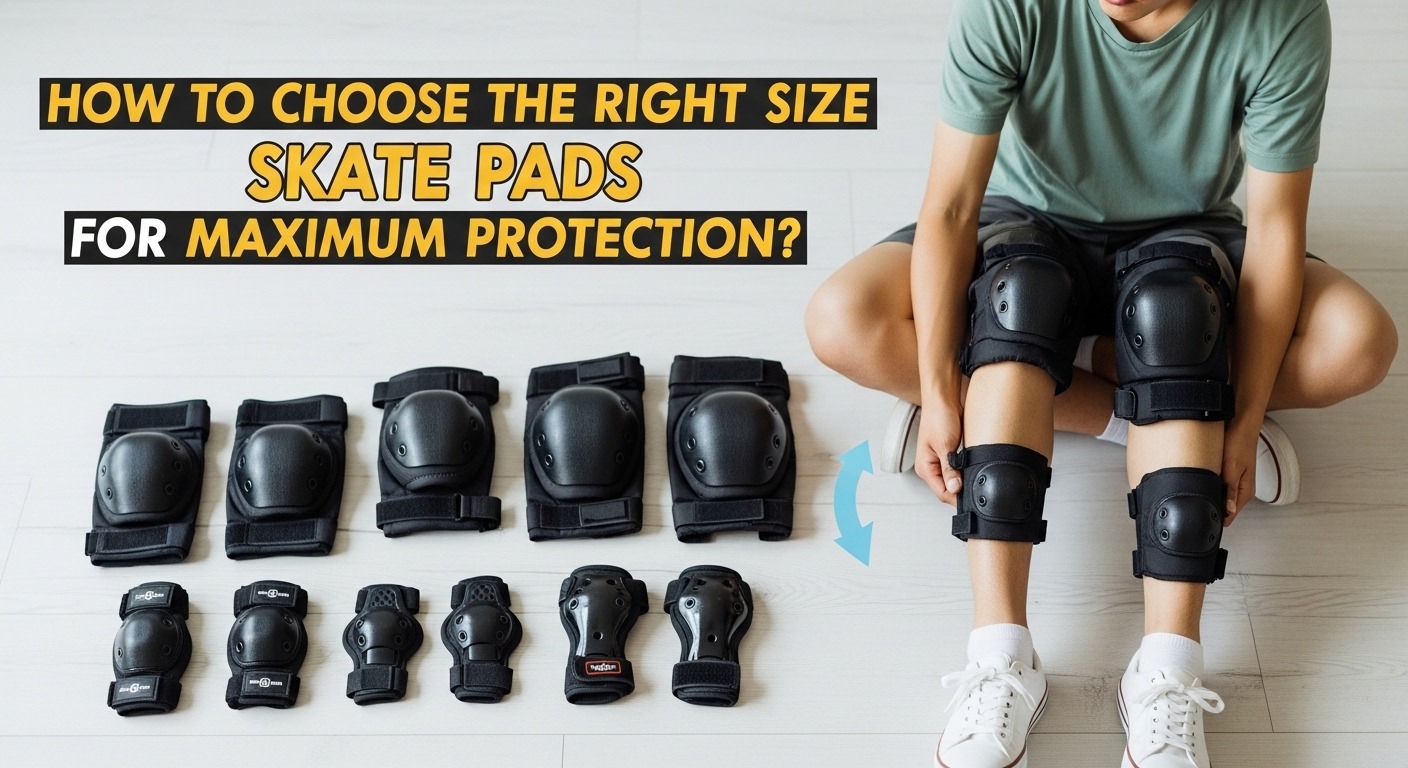
The right skate pad size is the one that matches your body measurements, stays in place during movement, and covers impact zones without restricting motion. Using a proper skate pad size chart and testing the fit under real movement is the safest way to avoid injuries.
Skate pads are not accessories. They are safety equipment. Yet most skaters still guess their size. That mistake leads to slipping pads, exposed joints, and avoidable injuries.
If you skate regularly—skateboard, inline, roller, or scooter—pad fit matters as much as helmet fit. Pads that are too small leave gaps. Pads that are too big slide out of position. Both fail when you fall.
This guide breaks down exactly how to choose the right size skate pads using real sizing methods, skate pad size charts, and fitting checks that work in the real world. No hype. Just practical guidance backed by injury data and fitting principles used by manufacturers and skate coaches.
By the end, you’ll know how to measure, how to read size charts, how pads should feel, and how to confirm a safe fit before your next session.
Why does skate pad size matter for injury prevention?
Snippet answer: Skate pad size matters because poorly fitted pads shift on impact, leaving joints unprotected during falls.
Falls are not the problem. Unprotected falls are.
According to emergency injury data from action sports clinics, wrist, elbow, and knee injuries make up over 60% of skating-related injuries. Most of these happen when pads move out of place or fail to absorb impact.
Wrong size pads cause three major problems:
- Pad migration: Pads slide during movement or impact.
- Coverage gaps: Key bone areas remain exposed.
- Restricted motion: Oversized pads limit bending and reaction.
Properly sized pads stay centered on the joint. They absorb force. They move with your body. That reduces injury risk and increases confidence.
Confidence changes how you skate. Safer skaters fall better. Better falls mean fewer injuries.
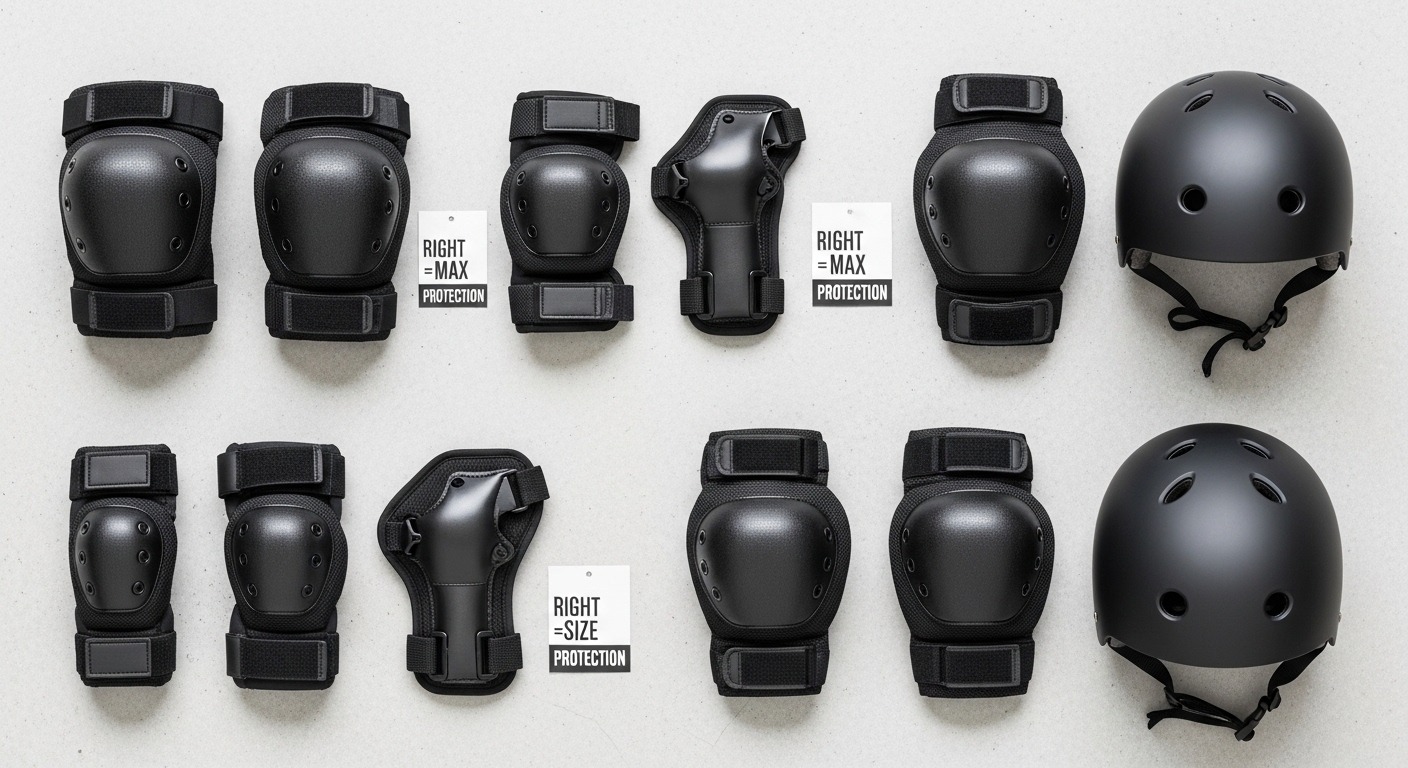
What measurements do you need before using a skate pad size chart?
Snippet answer: You need joint circumference measurements taken while relaxed, not flexed.
Skate pad sizing is based on circumference, not height or weight.
Use a soft measuring tape. Measure directly on skin or thin clothing.
Measurements to take
- Knee pads: Measure around the center of the knee joint.
- Elbow pads: Measure around the elbow joint.
- Wrist guards: Measure wrist circumference just above the wrist bone.
Do not flex your joints while measuring. Flexing increases size and leads to oversized pads.
Measure twice. Write it down. This number is what matters when using a skate pad size chart.
How do skate pad size charts actually work?
Snippet answer: Skate pad size charts match joint circumference ranges to pad shell and strap dimensions.
Every brand publishes its own skate pad size chart. They look similar, but they are not identical.
Size charts account for:
- Pad shell width and length
- Strap stretch range
- Sleeve compression (if applicable)
Here is a general example:
| Size | Knee Circumference | Elbow Circumference |
|---|---|---|
| Small | 11–13 in | 8–9 in |
| Medium | 13–15 in | 9–10 in |
| Large | 15–17 in | 10–11 in |
If you fall between sizes, most manufacturers recommend sizing up for impact sports. However, strap adjustment range matters more than the label.
Should you size up or size down when between skate pad sizes?
Snippet answer: Size up if the pad stays secure; size down if the pad shifts when you move.
This is where fitting skate pads becomes practical.
Being between sizes is common. The wrong choice depends on pad design.
- Hard-shell pads: Size up to ensure full coverage.
- Soft or sleeve pads: Size down for compression fit.
The test is simple. Put the pad on. Bend the joint fully. Then stand up and shake your limb.
If the pad rotates or slides, it’s too big.
If circulation feels cut off or movement is limited, it’s too small.
How should properly fitted skate pads feel during movement?
Snippet answer: Properly fitted skate pads feel snug, stable, and unnoticeable after a few minutes.
Good pads disappear once you start skating.
You should notice:
- Even pressure around the joint
- No pinching behind the knee or elbow
- No slipping when pushing or carving
You should not notice:
- Numbness
- Hot spots
- Pad rotation
Skate coaches often recommend a five-minute movement test before riding. Squat. Push. Simulate a fall.
If the pad stays centered, the size is right.
Does skate pad sizing differ for kids, teens, and adults?
Snippet answer: Yes. Youth skate pads use different proportions and growth allowances.
Children are not small adults.
Youth skate pad size charts are based on joint proportion and growth patterns. Oversizing for growth is a mistake.
Data from youth skate programs shows oversized pads increase fall injuries due to slipping.
For kids:
- Choose current fit, not future fit
- Check fit every 3–4 months
- Replace pads once straps reach max extension
Teens transitioning to adult sizes should measure again. Do not assume.
Are wrist guard sizes different from knee and elbow pads?
Snippet answer: Yes. Wrist guards rely more on hand and forearm fit than joint size.
Wrist guards protect against fractures, not bruises.
Proper sizing ensures:
- Splint alignment with palm
- Full finger movement
- Secure forearm wrap
If wrist guards are too large, splints shift on impact. That increases fracture risk.
Always use the wrist-specific size chart. Never assume matching sizes across pad sets.
How can you test skate pad fit before riding?
Snippet answer: Perform a mobility test and simulated fall test.
Here is a quick checklist:
- Put pads on fully tightened
- Bend joints through full range
- Hold a squat for 30 seconds
- Drop to knees gently on padded surface
If pads stay in place and feel stable, you are ready to ride.
Do not skip this step. Most fit issues show up before the first push.
What common mistakes cause skate pad sizing failures?
Snippet answer: Guessing size, ignoring charts, and buying sets without fitting.
The most common mistakes:
- Buying based on age or weight
- Ignoring brand-specific size charts
- Over-tightening to compensate for wrong size
Over-tightening cuts circulation and still allows rotation on impact.
Correct size eliminates the need for extreme strap tension.
Conclusion: How do you choose the right size skate pads with confidence?
Choosing the right size skate pads is not complicated, but it requires accuracy.
Measure your joints. Use the correct skate pad size chart. Test the fit under movement. That process prevents injuries more effectively than buying expensive gear.
Skate pads only work when they stay where they belong.
If you’re upgrading gear, replacing worn pads, or buying for a child, use this guide as your checklist. Fit first. Brand second.
Call to Action: Before your next session, measure your joints and check your pad fit. If something moves, replace it. Your future joints will thank you.
Frequently Asked Questions About Skate Pad Sizing
How tight should skate pads be?
Skate pads should feel snug but not restrict blood flow. You should fit one finger under the strap.
Can I use the same size for knee and elbow pads?
No. Knee and elbow joints differ in size. Always measure separately.
Do skate pad sizes vary by brand?
Yes. Always follow the brand’s skate pad size chart.
How often should I replace skate pads?
Replace pads when straps lose elasticity, padding compresses, or fit changes.
Are adjustable pads safer?
Adjustable pads help fine-tune fit but still require correct sizing.
Should beginners choose thicker pads?
Yes. Thicker padding offers better impact absorption during early learning stages.
Related Topics: How to Use Surf Fishing Rigs in Rough and Windy Conditions
What Next: How High Cushioning Running Shoes Improve Stability and Stride