
Sustainable Building Trends Shaping the Future of New Construction
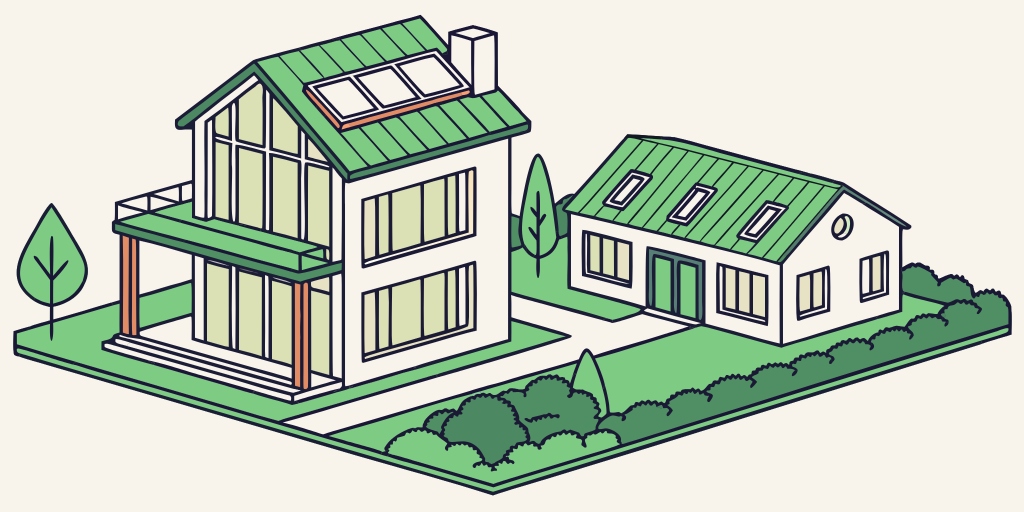
As demand for environmentally friendly, resilient buildings grows, the construction industry is undergoing a critical transformation. Builders, developers, and property owners are increasingly embracing innovations that reduce ecological footprints while offering greater economic value. Whether you are planning a commercial project, understanding these trends is vital for those exploring new construction in Winston-Salem or other regions aiming to set new standards for sustainability and occupant well-being.
Driven by evolving regulations, advancing technology, and a clear focus on long-term resource efficiency, the industry is prioritizing methods and materials that benefit both the planet and people. These approaches not only support global climate goals but also create healthier and more adaptable spaces for future generations. As sustainable practices become the new norm, both consumers and developers gain opportunities for better investment returns and long-term value.
Net-Zero Energy Buildings
Net-zero energy buildings (NZEBs) represent a forward-thinking approach, generating as much energy on-site as they consume. Combining energy-efficient architectural designs with solar panels, geothermal systems, and advanced insulation, these structures minimize their reliance on external energy sources. As this model continues to evolve, many commercial construction companies are integrating NZEB principles into new developments, making sustainable design the norm rather than the exception. Several governments, including the European Union, are strengthening requirements for net-zero readiness, aiming to achieve widespread zero-emission buildings by 2030. Widespread adoption of NZEBs is expected to play a crucial role in meeting global emission targets and improving indoor air quality for building occupants.
Carbon-Negative Building Materials
With traditional concrete responsible for about 8% of global carbon dioxide emissions, attention has turned to materials that can offset—or even reduce—atmospheric CO₂. Innovations such as algae-based concrete and hempcrete are paving the way for a carbon-negative construction future. Companies like Prometheus Materials have pioneered the development of algae-based bricks, producing lower emissions during manufacturing and even capturing carbon throughout their lifecycle. These solutions give architects and builders sustainable alternatives that lower emissions while creating durable, high-performance buildings. Time reports on the development and potential of algae-based building materials.
Integration of Smart Building Technologies
Digital advancements are reshaping how buildings operate to achieve superior sustainability outcomes. Innovative HVAC systems, occupancy sensors, and advanced energy management software contribute to lower energy usage and enhanced comfort. Building-integrated photovoltaics (BIPV), for example, allow solar cells to be integrated into facades and glass, enabling seamless renewable energy generation. Innovative technologies also enable real-time monitoring and data-driven decision-making for long-term building management, maximizing efficiency and comfort for end users. These advancements are driving measurable progress toward sustainable targets by enabling adaptability and automation at every stage of a building’s life cycle.

Green Building Certifications
Pursuing green building certification is a key way to validate sustainability efforts and set a benchmark for performance. Programs like the Leadership in Energy and Environmental Design (LEED) and the National Green Building Standard (NGBS) provide frameworks for environmental responsibility, emphasizing areas such as carbon reduction, biodiversity, wellness, and resilience. The newly released LEED v5 standard raises the bar, focusing on transparency and continuous improvement throughout project development and operation. Certified buildings tend to have higher occupancy rates and property values, making credentials vital in the competitive real estate market.
Circular Architecture
The concept of circular architecture seeks to eliminate waste by designing for adaptability, reusing structural components, and recycling materials at the end of a building’s life. This model reduces the extraction and consumption of virgin resources while minimizing waste and pollution. By planning for disassembly and flexible use from the outset, circular architecture extends the value of each structure and encourages responsible material consumption. As material scarcity and waste disposal become bigger challenges, circular principles are proving critical to climate-resilient construction.
Energy-Efficient Design Practices
Innovative design solutions remain central to curbing energy consumption without compromising user comfort. Passive solar orientation leverages natural sunlight and shade to maintain thermal comfort, while double-skin facades, energy modeling, and green roofs work together to slash energy use. These practices, which extend beyond simply meeting code requirements, deliver tangible cost savings and sustainability benefits for building owners.
Stricter Regulatory Requirements
Governments and industry regulators worldwide are implementing stricter guidelines to ensure the construction sector meets climate and emissions targets. New building codes now often require climate risk reporting and active reduction of greenhouse gas impacts. These evolving requirements encourage innovation in materials, methodologies, and reporting and create a market landscape where sustainable practices are quickly becoming the rule rather than the exception. Compliance opens the door to incentives and a larger pool of sustainability-minded investors and tenants.
By keeping pace with the leading trends in sustainable construction, developers, owners, and stakeholders position themselves to benefit from reduced operational costs, enhanced occupant comfort, and compliance with the next generation of building standards. Embracing these advancements ensures not only a positive legacy but also ongoing value and resilience in the built environment.