
Transitional Home Decor Meaning and Design Philosophy
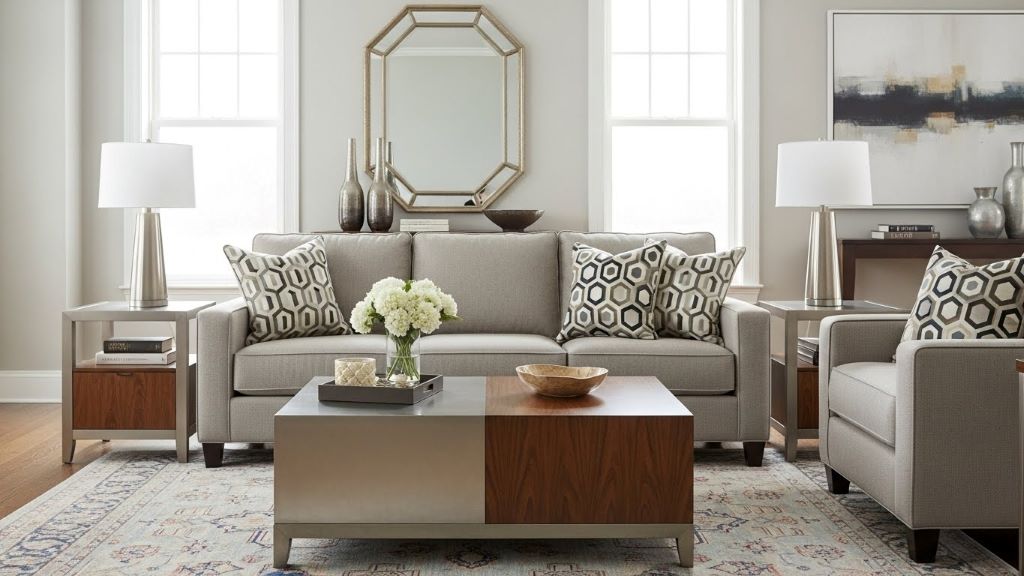
Transitional home decor represents a harmonious blend of traditional and contemporary design elements. This popular interior design style has gained widespread recognition for its ability to create spaces that feel both timeless and current. Additionally, it offers homeowners the flexibility to merge classic comfort with modern simplicity, making it an ideal choice for those who appreciate elements from multiple design eras.
Understanding Transitional Style
Transitional design serves as a bridge between traditional and modern aesthetics. Rather than committing to one specific style, this approach combines the best aspects of both worlds. Traditional elements bring warmth, elegance, and established design principles. Meanwhile, contemporary features introduce clean lines, minimalism, and updated functionality.
This design philosophy emerged from a desire to create spaces that avoid extremes. Many homeowners found purely traditional rooms too formal or dated. Conversely, strictly modern spaces sometimes felt cold or impersonal. Therefore, transitional style offers a balanced alternative that maintains comfort while embracing current trends.
Key Characteristics of Transitional Design
Several defining features distinguish transitional decor from other interior design styles. Understanding these characteristics helps create cohesive, well-designed spaces.
Neutral Color Palettes
Transitional interiors typically feature soft, neutral color schemes. Beige, gray, taupe, cream, and white dominate these spaces. However, designers often introduce depth through various shades and textures within the neutral spectrum. Accent colors appear sparingly, usually in accessories or artwork rather than major furniture pieces.
This neutral foundation creates a calm, sophisticated atmosphere. Furthermore, it allows homeowners to update their spaces easily by changing smaller decorative elements without requiring major renovations.
Balanced Furniture Selection
Furniture in transitional spaces combines traditional shapes with contemporary simplicity. Pieces feature clean lines without excessive ornamentation. However, they maintain comfortable proportions and classic silhouettes that reference traditional design.
Upholstered furniture often includes simple tufting or subtle curves rather than elaborate details. Wood furniture showcases quality craftsmanship with minimal decorative carving. Additionally, furniture arrangements prioritize both functionality and aesthetic appeal, creating spaces that work well for daily living.
Mixed Materials and Textures
Transitional design embraces diverse materials to add visual interest. Smooth surfaces contrast with rough textures. Shiny finishes pair with matte ones. Common materials include wood, metal, glass, stone, and various textiles.
This variety prevents spaces from feeling flat or one-dimensional. Moreover, mixing materials allows designers to incorporate both traditional elements like wood paneling and contemporary features such as steel accents within the same room.
Minimal Yet Meaningful Accessories
Accessories in transitional spaces follow a “less is more” philosophy. Rather than filling every surface with decorative objects, this style emphasizes carefully curated pieces. Each accessory serves a purpose, whether functional or aesthetic.
Artwork tends toward abstract or simple representational pieces rather than ornate traditional paintings. Decorative objects might include sculptural vases, simple candlesticks, or geometric accent pieces. Therefore, every item contributes to the overall design without creating visual clutter.
The Philosophy Behind Transitional Design
The underlying philosophy of transitional decor centers on creating timeless, livable spaces. This approach recognizes that homes should reflect personal taste while remaining functional for everyday life.
Timelessness Over Trends
Transitional design prioritizes longevity. Instead of following fleeting trends, it selects elements with lasting appeal. This philosophy proves economically sensible, as homeowners need not redecorate frequently to maintain a current appearance.
Classic furniture shapes, neutral colors, and quality materials ensure spaces remain relevant for years. However, the style’s inherent flexibility allows for updates through smaller changes when desired.
Comfort Meets Sophistication
This design philosophy rejects the notion that elegance requires discomfort. Transitional spaces balance refined aesthetics with practical comfort. Furniture invites use rather than serving merely as display pieces.
Fabrics include soft linens, comfortable cottons, and plush velvets in addition to more formal materials. Seating arrangements encourage conversation and relaxation. Additionally, lighting provides both ambient and task illumination to support various activities.
Personal Expression Within Structure
Transitional design provides a framework rather than rigid rules. This approach allows homeowners to express personality while maintaining cohesive design principles. The neutral foundation accommodates personal collections, family photographs, or meaningful artwork without overwhelming the space.
This flexibility makes transitional style particularly appealing for families. Children’s needs, changing lifestyles, and evolving preferences can all be accommodated within the transitional framework.
Implementing Transitional Design in Your Home
Creating a transitional interior requires thoughtful planning and careful selection of elements. Several strategies help achieve this balanced aesthetic successfully.
Start with Neutral Foundations
Begin with neutral wall colors, flooring, and large furniture pieces. These foundational elements establish the calm, sophisticated backdrop characteristic of transitional design. Quality neutral pieces provide longevity and versatility for future updates.
Layer Textures Thoughtfully
Incorporate various textures through textiles, materials, and finishes. A linen sofa might pair with velvet pillows and a wool throw. Wood side tables could contrast with a glass coffee table and metal lamps. These layers create depth and visual interest without relying on color or pattern.
Select Lighting Carefully
Lighting plays a crucial role in transitional spaces. Choose fixtures that blend traditional forms with contemporary materials or vice versa. For example, a classic chandelier shape rendered in modern brushed nickel creates perfect transitional appeal. According to design experts at Architectural Digest, lighting should be both functional and sculptural in transitional spaces.
Mix Old and New
Incorporate both inherited or vintage pieces alongside new purchases. A grandmother’s antique dresser can coexist beautifully with a contemporary bed frame. This mixing adds character and personal history to transitional spaces while maintaining the overall aesthetic balance.
Avoid Extremes
Resist the temptation toward either overly ornate traditional pieces or stark minimalist elements. Instead, seek items that fall somewhere in the middle spectrum. Furniture should have clean lines but comfortable proportions. Accessories should be meaningful but not excessive.
Transitional Design in Different Rooms
The transitional approach adapts well to various spaces throughout the home.
Living Rooms
Transitional living rooms feature comfortable seating arrangements with neutral upholstery. Coffee tables often combine materials like wood and metal. Area rugs define spaces without overwhelming them with pattern. Window treatments remain simple, favoring clean-lined panels or roman shades over elaborate swags.
Bedrooms
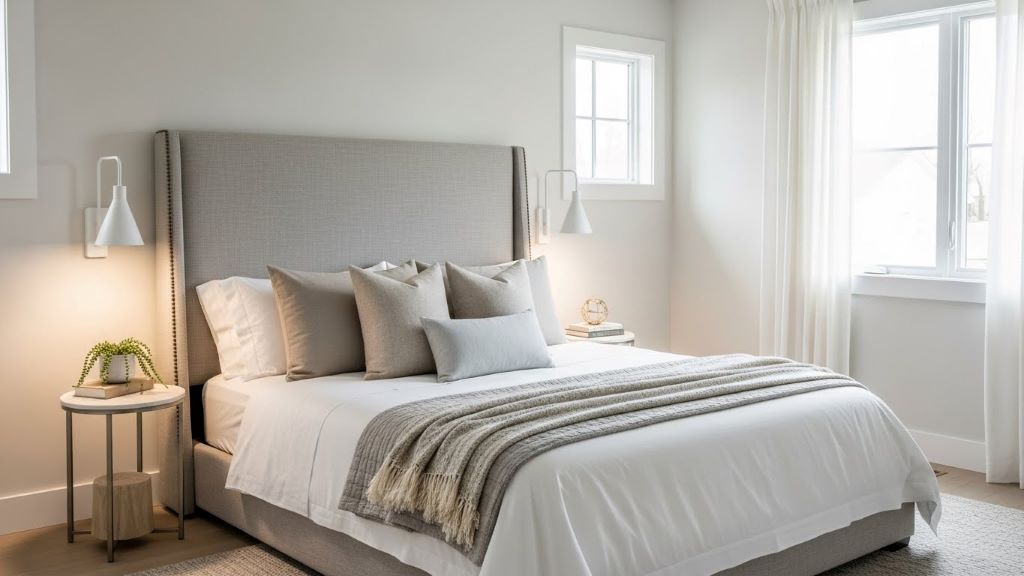
Bedrooms benefit from transitional design’s calm, restful qualities. Upholstered headboards in neutral fabrics create focal points without drama. Nightstands and dressers feature simple hardware and clean profiles. Layered bedding in various neutral textures adds luxury and comfort.
Kitchens
Transitional kitchens balance traditional cabinetry styles with contemporary finishes and hardware. Shaker-style cabinets in neutral colors paired with modern hardware exemplify this approach. Countertops often feature natural stone, while backsplashes might incorporate subway tiles or simple geometric patterns. According to Houzz, transitional kitchens remain among the most requested styles for remodeling projects.
Bathrooms
Bathroom designs incorporate classic elements like pedestal sinks or freestanding tubs with contemporary fixtures and minimalist accessories. Neutral tiles, simple lighting, and clean-lined mirrors create spa-like retreats that feel both current and timeless.
Conclusion
Transitional home decor offers a sophisticated, timeless approach to interior design that balances traditional comfort with contemporary simplicity. This style’s neutral color palettes, mixed materials, balanced furniture selections, and thoughtful accessorizing create spaces that feel both elegant and livable. The underlying philosophy prioritizes longevity over trends while maintaining flexibility for personal expression. Whether updating a single room or designing an entire home, transitional design provides a framework for creating beautiful, functional spaces that stand the test of time. By understanding and implementing its core principles, homeowners can achieve interiors that reflect their personal taste while remaining current and inviting for years to come.
Frequently Asked Questions
What is the difference between transitional and contemporary design?
Contemporary design focuses primarily on current trends with minimal ornamentation and stark modern lines. Transitional design blends contemporary elements with traditional features, creating a warmer, more balanced aesthetic that incorporates classic comfort alongside modern simplicity.
Can I use patterns in transitional decor?
Yes, but use them sparingly and thoughtfully. Transitional spaces typically favor subtle patterns like stripes, simple geometrics, or tone-on-tone designs rather than bold or ornate patterns. Patterns should complement the neutral foundation without overwhelming the space.
Is transitional style expensive to achieve?
Not necessarily. Transitional design emphasizes quality over quantity and timeless pieces over trendy items. While investing in well-made foundational pieces proves worthwhile, the style does not require expensive designer items. Mixing high and low price points works well within this aesthetic.
How do I prevent my transitional space from looking boring?
Incorporate varied textures, mix different materials, and layer lighting to create depth and interest. Include meaningful accessories and artwork that reflect your personality. The key lies in creating visual variety through texture and material rather than relying solely on color or pattern.
Can transitional design work in small spaces?
Absolutely. The clean lines, neutral colors, and minimal clutter characteristic of transitional design actually make small spaces feel larger and more open. Focus on multi-functional furniture, strategic lighting, and avoiding overcrowding to maximize space effectively.
Related Topics:
Custom Hardscape Solutions for Unique Landscapes
Smart Bathroom Remodeling: A Modern Approach to Bathrooms