
How to Use Oversize Golf Grips to Improve Control and Reduce Pain

Golf is a game of small details. The club, the stance, the swing — everything matters. However, one of the most overlooked details is the grip. Specifically, the size of your grip can make a huge difference in how you play and how your body feels after a round. Oversize golf grips have gained popularity among golfers of all skill levels. They offer real benefits, from better control to less hand and wrist pain. This article explains what oversize grips are, who should use them, and how to get started.
What Are Oversize Golf Grips?
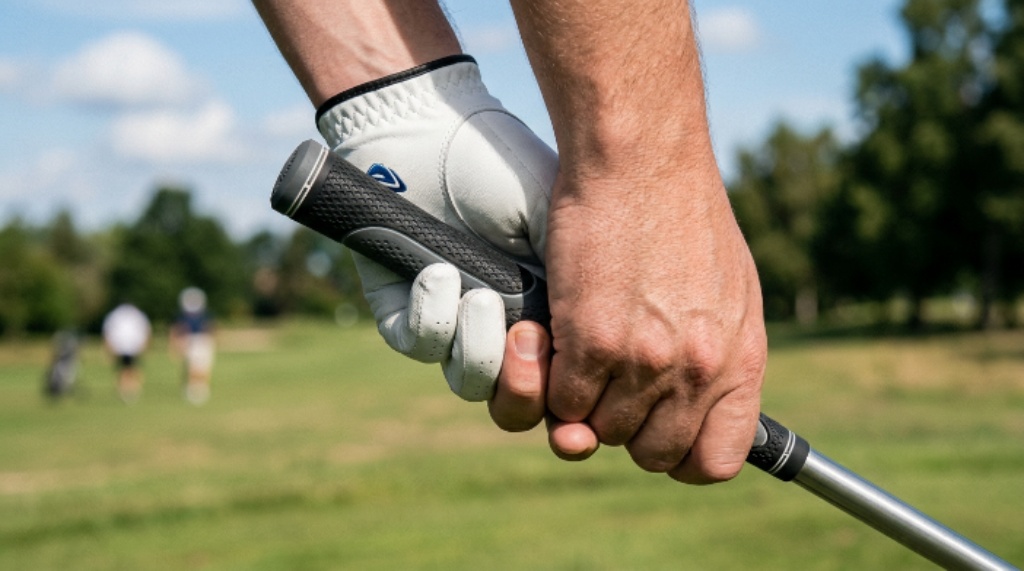
Standard golf grips come in a few sizes: undersize, standard, midsize, and oversize. Oversize grips are the largest of these options. They have a bigger diameter than standard grips, which means your hands wrap around a thicker surface when you hold the club.
These thicker grips golf equipment manufacturers produce are not just for big hands. They serve a specific purpose. A larger grip changes the way your hands interact with the club. It reduces the amount of grip pressure you need to apply. This, in turn, affects your entire swing from start to finish.
Who Should Consider Switching to Oversize Grips?
Not every golfer needs an oversize grip. However, certain players benefit greatly from making the switch.
Golfers who suffer from arthritis or joint pain often find immediate relief with oversize grips. The larger surface area requires less squeezing, which puts far less stress on the fingers, knuckles, and wrists. Additionally, players with larger hands often struggle to use standard grips comfortably. An oversize grip gives them a more natural and relaxed hold.
Players who tend to over-rotate their wrists during a swing may also see improvement. A thicker grip naturally limits excessive wrist movement. Therefore, it can help golfers who slice or hook the ball due to too much hand action. Even seniors and beginners often find oversize grips easier to manage.
How Oversize Grips Improve Swing Control
One of the biggest advantages of switching to a larger grip is improved swing control. This might seem counterintuitive at first. Many golfers assume that a thicker grip would reduce feel and precision. However, the opposite is often true.
When you hold a standard grip too tightly, your arms and shoulders tense up. This tension disrupts your natural swing path. Oversize grips encourage a lighter hold. A lighter hold leads to more relaxed arms, which allows your body to rotate more freely. The result is a smoother, more consistent swing.
Grip stability is another key factor. A larger contact surface between your hand and the club creates a more stable connection. This means the club is less likely to twist or shift during impact. When the clubface stays square at contact, your shots go straighter. Over time, better grip stability translates into more accurate and repeatable ball striking.
Reducing Hand and Wrist Pain with Oversize Grips
Pain during or after golf is more common than people realize. Repetitive gripping and swinging puts strain on the muscles and joints of the hands, wrists, and forearms. Standard grips can make this worse if they require a tight squeeze to maintain control.
Oversize grips reduce the need for a tight hold. This means less muscle fatigue over 18 holes. Additionally, the cushioning in many oversize grip models absorbs vibration from impact. Vibration is one of the main causes of soreness in the hands and elbows after a round.
For golfers dealing with conditions like tennis elbow or carpal tunnel syndrome, this reduction in vibration can be a game changer. Many players report that switching grips alone dramatically reduced their post-round discomfort. Therefore, if you experience recurring hand or wrist pain, changing your grip size is a simple and affordable solution to try before seeking other treatments.
Choosing the Right Oversize Grip
Not all oversize grips are the same. They vary in material, texture, firmness, and design. Choosing the right one depends on your personal needs and playing style.
Here are some key factors to consider:
- Material: Rubber grips offer good durability and feel. Corded grips provide extra traction in wet conditions. Synthetic grips are often softer and better for pain relief.
- Firmness: Softer grips absorb more shock. Firmer grips offer more feedback and responsiveness.
- Texture: Textured grips improve grip without requiring extra hand pressure. Smooth grips feel more traditional but may need a tighter hold.
- Weight: Heavier grips can affect swing weight and club balance. If you switch grips, consider how the weight might change your timing.
It is also worth visiting a local golf shop or fitting center. A trained fitter can measure your hand size and recommend the best grip diameter. Getting fitted properly ensures you are not going too large, which can actually hurt your control rather than help it.
How to Install Oversize Grips at Home
Replacing your grips does not require a trip to a pro shop every time. With the right tools, you can do it yourself at home. Here is a simple step-by-step process.
First, gather your supplies. You will need grip tape, grip solvent, a hook blade or utility knife, and a vice clamp to hold the club steady.
Next, remove the old grip. Use the hook blade to cut along the length of the grip and peel it off. Then, scrape away any old tape from the shaft. Clean the shaft surface before adding new tape.
After that, wrap the shaft with double-sided grip tape. Make sure the tape covers the full length of the new grip. Pour a small amount of solvent inside the new grip and shake it. Then pour solvent over the tape on the shaft.
Finally, slide the grip onto the shaft quickly before the solvent dries. Align the grip and let it set for a few hours before using the club.
Adjusting Your Game After Switching Grips
Switching to an oversize grip is not always an instant fix. Your game may feel different at first. This is completely normal. Your hands and muscles need time to adjust to the new feel and feedback.
Spend time on the driving range before taking the new grips onto the course. Hit shots with different clubs and pay attention to how your swing feels. You may notice less tension in your hands and arms almost immediately. However, your accuracy and distance may take a few sessions to recalibrate.
Additionally, pay attention to your putting. Some golfers find that oversize grips are especially helpful on the putting green. The reduced wrist action leads to a more pendulum-like stroke, which can improve consistency.
Common Myths About Oversize Golf Grips
There are a few misconceptions that stop golfers from trying oversize grips. It helps to address them directly.
One myth is that oversize grips are only for people with large hands. This is not true. While hand size matters, the benefits of a larger grip extend to anyone who grips the club too tightly or struggles with pain.
Another myth is that bigger grips reduce feel. Modern oversize grips are designed with advanced materials that maintain excellent tactile feedback. Many professionals use midsize or slightly oversized grips without sacrificing touch.
Finally, some golfers believe that switching grips will hurt their distance. In reality, a more relaxed grip often unlocks greater club head speed. When your arms are not tense, your swing can be more powerful and fluid.
Conclusion
Oversize golf grips are a simple and effective way to improve your game and protect your body. They promote a lighter grip pressure, which relaxes the arms and leads to a more consistent swing. Grip stability improves because the larger contact area keeps the club steady through impact. Pain in the hands, wrists, and elbows also decreases because there is less need to squeeze and less vibration at impact.
Whether you are dealing with arthritis, inconsistent ball striking, or simply want to enjoy golf more comfortably, making the switch to oversize grips is worth considering. Start with a fitting, try a few options on the range, and give your game the advantage of a better foundation — right from your hands.
Frequently Asked Questions
Will oversize golf grips work for golfers with small hands?
Yes, they can. Oversize grips are not strictly about hand size. They benefit anyone who tends to grip the club too tightly or wants to reduce tension in their swing. However, if the grip is too large for your hand, it can reduce control. Getting a professional fitting helps you find the right size.
Can oversize grips help with a slice or hook?
They can. One cause of slicing or hooking is excessive wrist rotation during the swing. A thicker grip limits this movement naturally. Therefore, golfers who struggle with these issues may see improvement after switching. However, grip alone may not fix deep-rooted swing problems.
How long do oversize grips last before needing replacement?
Most golf grips last between 40 and 60 rounds, or about one season of regular play. Signs that it is time to replace them include a slick or hard surface, visible cracking, and reduced traction in wet conditions. Regular cleaning extends the life of your grips.
Are oversize grips legal in professional and amateur tournaments?
Yes, they are fully legal under the rules of golf. There are no restrictions on grip size, as long as the grip meets other specifications like being straight and non-molded. Many tour professionals and senior players use larger grips without any issue.
Do I need to re-grip all my clubs at the same time?
It is not required, but it is recommended. Using the same grip size and type across all your clubs gives you a consistent feel. Mixing different sizes can create confusion in your muscle memory. Starting with your irons and putter is a good approach if you want to phase in the change gradually.
Related Topics:
What Is the Hardest Skateboard Trick? Pros Weigh In
Starter Golf Club Sets: Everything Beginners Should Know