
What Causes a Garage Door to Sit Unevenly in Denver, CO Properties
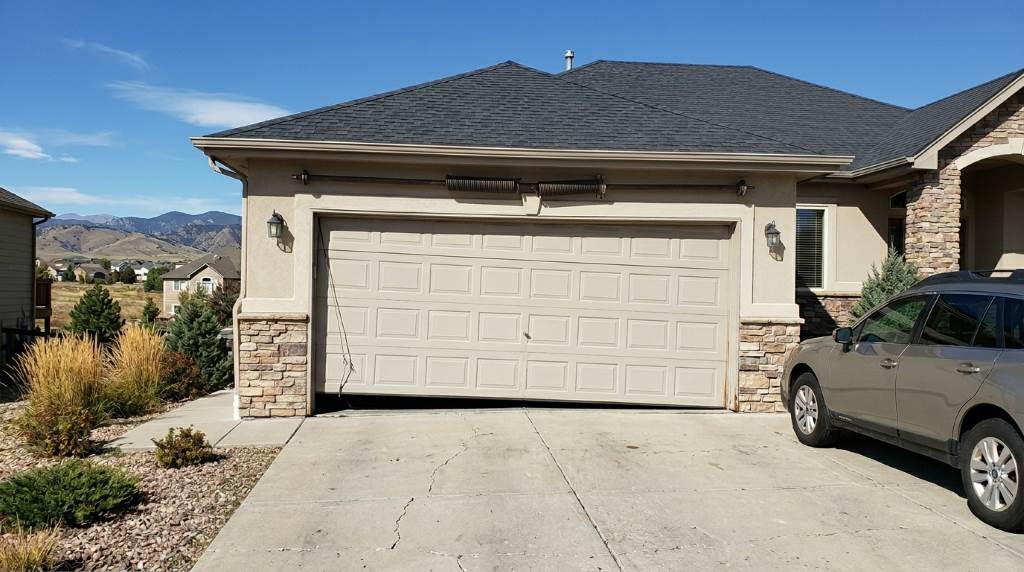
A garage door should open and close smoothly without leaning to one side. However, many homeowners in Denver notice their garage door sitting unevenly after years of daily use. According to industry reports, garage doors can move up and down more than 1,500 times each year. Additionally, weather-related wear contributes to thousands of garage door repair calls annually across the United States. Property owners often search for ways to fix uneven garage door problems before serious damage occurs. Understanding the causes behind this issue helps homeowners protect their property and avoid expensive repairs.
Why an Uneven Garage Door Is a Serious Problem
An uneven garage door creates both safety and structural concerns. When one side hangs lower, the entire system experiences uneven tension during operation. As a result, rollers, springs, and tracks wear out faster than normal. The door may also produce loud noises or move unpredictably during opening and closing cycles.
Moreover, uneven doors reduce energy efficiency inside garages. Cold Denver winters allow outside air to enter through uneven gaps beneath the door. Moisture and debris can also enter the garage during snowstorms or windy weather. Therefore, fixing alignment problems early helps homeowners avoid larger repair bills later.
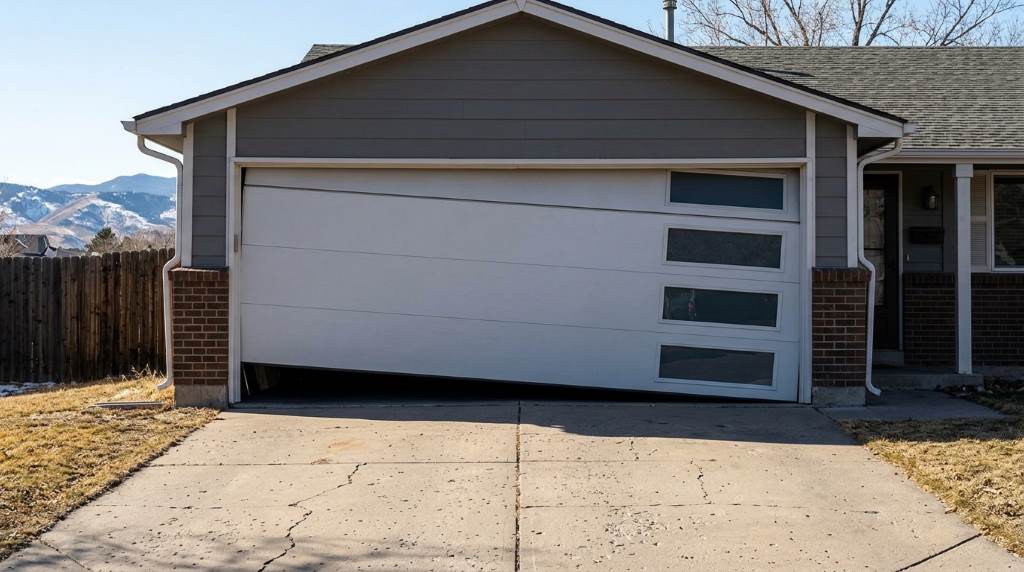
Denver’s Climate and Its Effect on Garage Doors
Denver experiences dramatic seasonal weather changes throughout the year. Hot summers, freezing winters, snow accumulation, and dry air all affect garage door systems differently. These temperature swings cause metal parts to expand and contract repeatedly over time. Consequently, important components may loosen or shift out of alignment.
Additionally, heavy snow and ice place extra pressure on garage door tracks and springs. Moisture can freeze around the bottom seal, making one side stick during operation. Strong winds also shake older garage doors and stress their hardware. Because of these local climate conditions, Denver homeowners often face uneven garage door issues more frequently than people in milder regions.
Broken or Worn Garage Door Springs
Garage door springs carry most of the door’s weight during movement. When one spring weakens or breaks, the door loses balanced support. As a result, one side may sag lower than the other while opening or closing. This problem becomes especially noticeable with heavy double garage doors.
Torsion springs and extension springs both experience wear after years of repeated use. Most springs last between 10,000 and 20,000 cycles under normal conditions. However, Denver’s changing temperatures may shorten their lifespan. Homeowners should never attempt spring replacement alone because these parts hold dangerous tension.
Signs of Spring Damage
Several warning signs often appear before complete spring failure. Homeowners should watch for these common symptoms:
- Uneven door movement
- Loud snapping noises
- Visible gaps in the spring
- Slow opening speed
- Crooked garage door position
Professional inspection helps identify worn springs before major damage occurs. Therefore, scheduling regular maintenance can prevent unexpected breakdowns.
Damaged or Misaligned Tracks
Garage door tracks guide the rollers during movement. If the tracks bend or shift, the door may no longer travel evenly. Even small alignment problems can cause one side of the door to sit lower than the other. Furthermore, damaged tracks place extra stress on rollers and cables.
Track issues often happen after accidental impacts from vehicles or stored equipment. In some cases, loose mounting brackets allow tracks to move gradually over time. Denver homeowners may also experience track warping due to freezing temperatures and moisture exposure. Consequently, regular track inspections remain important for long-term garage door performance.
Common Track Problems
Several track-related issues commonly create uneven garage doors:
- Bent track sections
- Loose mounting hardware
- Dirt buildup inside tracks
- Rust formation
- Improper track spacing
Ignoring these problems may eventually cause the door to derail completely. Therefore, early repairs help prevent more serious safety risks.
Frayed or Broken Garage Door Cables
Garage door cables help lift and lower the door evenly on both sides. When one cable frays or snaps, the door loses balanced support immediately. As a result, one corner may hang lower or rise unevenly during operation. This issue can make the garage door appear crooked even when closed.
Cables naturally weaken after years of handling heavy door weight. Moisture and road salt exposure during Denver winters may accelerate cable corrosion. Additionally, poor lubrication increases friction and cable wear. Homeowners should inspect cables regularly for visible fraying or rust buildup.
Uneven Foundation or Garage Floor
Sometimes the garage door itself functions properly while the surrounding structure shifts unevenly. Denver properties occasionally experience soil movement due to freezing and thawing cycles. Over time, this movement can create uneven garage floors or settling foundations. Consequently, the door may appear crooked even though its hardware remains intact.
Concrete floors may also crack or sink gradually over several years. If one side of the garage floor lowers, the bottom edge of the door no longer seals evenly. Small gaps often develop beneath one corner of the door. Therefore, homeowners should inspect both the garage door and the surrounding structure when diagnosing uneven alignment issues.
Roller Damage and Wear
Garage door rollers help the door move smoothly along the tracks. Worn or damaged rollers create resistance during movement and affect overall balance. In many cases, one side of the door moves slower because of roller friction. Consequently, the garage door may tilt unevenly during operation.
Metal rollers often become noisy and worn after years of use. Meanwhile, cheaper plastic rollers may crack or chip under heavy pressure. Denver’s dry climate can also reduce lubrication effectiveness and increase roller wear. Replacing damaged rollers helps restore smooth and balanced garage door movement.
Symptoms of Roller Problems
Homeowners should watch for these signs of roller damage:
- Grinding sounds during operation
- Jerky door movement
- Visible roller cracks
- Rollers slipping off tracks
- Door shaking while opening
Quick replacement prevents additional stress on the entire garage door system. Therefore, roller inspections should remain part of regular maintenance routines.
Loose Hinges and Hardware
Garage doors contain many moving parts connected by bolts, brackets, and hinges. Over time, vibration from daily operation loosens this hardware gradually. When hinges shift out of position, door panels may no longer align correctly. As a result, one side of the door can sit lower than the other.
Denver homeowners often experience faster hardware loosening due to temperature fluctuations. Expansion and contraction repeatedly stress screws and mounting brackets throughout the year. Regular tightening helps maintain proper alignment and prevents structural strain. However, damaged hinges usually require professional replacement for safe operation.
Warped or Damaged Door Panels
Wood and metal garage door panels may warp over time due to weather exposure. Moisture, sunlight, and freezing temperatures affect different materials in unique ways. Warped panels change the overall shape of the garage door and create uneven weight distribution. Consequently, the door may lean to one side during movement.
Wooden doors absorb moisture during snowstorms and wet conditions. Meanwhile, metal doors may dent or bend after accidental impacts. Older insulated doors sometimes separate internally and lose structural stability. Replacing damaged panels early helps preserve the rest of the garage door system.
Improper Garage Door Installation
Poor installation remains one of the most common causes of uneven garage doors. If tracks, springs, or cables were installed incorrectly, balance problems may appear quickly. In many cases, homeowners notice uneven movement within the first few months after installation. Therefore, professional installation always provides better long-term performance.
Improper measurements during installation can also create lasting alignment issues. Even small errors affect garage door balance significantly over time. Additionally, inexperienced installers may use incorrect spring sizes for the door weight. Choosing qualified technicians reduces the risk of future uneven garage door problems.
Lack of Regular Maintenance
Many garage door problems develop slowly because homeowners skip routine maintenance. Dirt buildup, dry rollers, and loose hardware all contribute to uneven operation eventually. Simple inspections often reveal small issues before they become expensive repairs. Consequently, preventative maintenance saves money and extends garage door lifespan.
Experts recommend garage door inspections at least twice each year. Lubricating moving parts also reduces friction and improves balance. Denver homeowners should pay extra attention during seasonal weather transitions. Consistent maintenance keeps garage doors operating safely and evenly throughout the year.
How to Prevent an Uneven Garage Door
Preventing garage door imbalance requires consistent care and early attention to warning signs. Homeowners can reduce repair risks by following several simple maintenance practices. Small preventive steps often stop larger mechanical failures from developing. Therefore, regular upkeep remains the best long-term strategy.
Here are several practical prevention tips:
- Lubricate rollers and hinges regularly
- Inspect cables for fraying
- Tighten loose hardware
- Remove debris from tracks
- Schedule professional inspections annually
- Address unusual noises immediately
These maintenance habits improve garage door performance and reduce long-term repair expenses. Additionally, they help homeowners identify problems before safety risks increase.
When to Call a Professional in Denver
Some garage door issues require immediate professional service for safety reasons. Broken springs, snapped cables, and severe track damage can cause sudden door collapse. Attempting DIY repairs on these parts often leads to injuries or additional property damage. Therefore, homeowners should contact experienced technicians for major repairs.
Professional garage door specialists understand Denver’s unique climate challenges and structural conditions. They can diagnose hidden issues and recommend appropriate long-term solutions. Additionally, licensed technicians use specialized tools for safe adjustment and replacement work. Investing in expert repairs protects both the property and the garage door system.
Related:
Mastering Tight Parking Garage Maneuvering: Essential Tips to Stay Safe and Stress-Free
Smart Flooring Choices: Transforming Your Garage into a Functional Space
Choosing the Right Garage Door Repair Company
Not all repair companies provide the same level of service or expertise. Homeowners should look for companies with strong local experience and positive customer reviews. Licensed and insured technicians offer greater protection during repair projects. Furthermore, transparent pricing helps prevent unexpected costs.
A reliable company should also provide detailed inspections before starting repairs. Experienced professionals explain the root cause of uneven garage door issues clearly. They should recommend repairs based on long-term performance rather than temporary fixes. Therefore, careful contractor selection improves repair quality and customer satisfaction.
Conclusion
An uneven garage door may seem minor at first, but it often signals deeper mechanical or structural problems. Denver’s harsh weather conditions, shifting foundations, worn springs, and damaged tracks all contribute to garage door imbalance over time. Addressing these issues quickly helps homeowners avoid costly repairs and serious safety risks. Regular maintenance and professional inspections also improve long-term garage door performance. If your garage door sits unevenly or operates unpredictably, contact a trusted Denver garage door specialist today for a full inspection and repair solution.
FAQs
Why does my garage door look crooked when closed?
A crooked garage door usually happens because of worn springs, damaged cables, or uneven tracks.
Can cold Denver weather affect garage door balance?
Yes, freezing temperatures and moisture can damage springs, tracks, and rollers over time.
Is an uneven garage door dangerous?
Yes, an uneven garage door may suddenly collapse or damage other components during operation.
How often should garage doors receive maintenance?
Most experts recommend professional garage door maintenance at least twice per year.
Can I repair an uneven garage door myself?
Minor cleaning and lubrication are safe, but major repairs should always involve trained professionals.