
How to Choose the Best Budget Mountain Bike for Trail Riding This Year
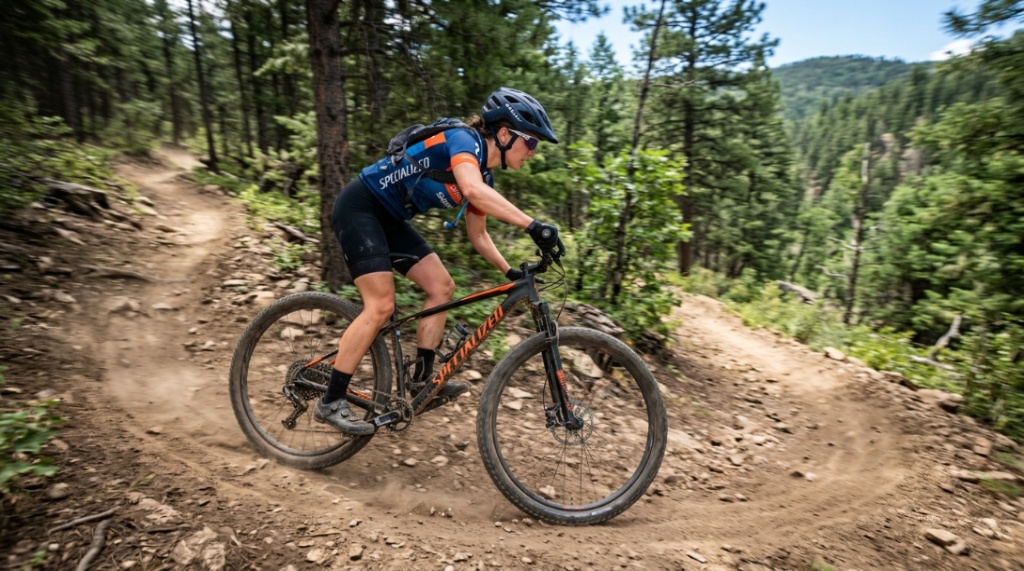
You’ve been eyeing those winding forest trails, imagining the rush of dirt under your tires, but every mountain bike you look at seems to cost as much as a used car. The frustration is real: you want to hit the trails without emptying your bank account, yet you’re terrified of buying a bike that falls apart after three rides. Here’s the good news: finding a reliable budget mountain bike + trail riding bike isn’t just possible, it’s easier than ever this year. The market has exploded with solid options under $500 that can genuinely handle real trail conditions. In this guide, I’ll walk you through exactly what to look for, what to avoid, and how to make a smart purchase that gets you riding confidently without buyer’s remorse.
What Exactly Makes a Good Budget Mountain Bike for Trail Riding?
A good budget mountain bike for trail riding balances durability, performance, and affordability. It should have a sturdy frame, reliable brakes, decent suspension, and tires that grip varied terrain, all without breaking the $500 mark.
Trail riding demands more from a bike than casual path riding. You’ll encounter roots, rocks, loose gravel, steep climbs, and sudden drops. A bike built for this needs to absorb impacts, maintain control on descents, and shift smoothly through gears on climbs. The key is knowing which components matter most and where manufacturers cut corners to hit lower price points.
At the budget level, you’re typically looking at hardtail designs, meaning front suspension only. This is actually fine for most beginner to intermediate trails. Full-suspension bikes under $500 almost always compromise too heavily on component quality. A well-built hardtail with a quality fork and reliable drivetrain will outperform a cheap full-suspension bike every single time.
Key Components That Define Trail-Worthy Budget Bikes
- Frame material: Aluminum is the sweet spot for budget trail bikes. It’s lighter than steel and far more affordable than carbon fiber.
- Front suspension: Look for at least 80mm of travel, preferably 100mm. Coil springs are common at this price and work well for most riders.
- Brakes: Mechanical disc brakes are the minimum. Hydraulic discs are better but rare under $500.
- Drivetrain: A 1x (single front chainring) setup simplifies shifting and reduces maintenance. Shimano Tourney or Altus are reliable budget options.
- Tires: 27.5″ or 29″ wheels with aggressive tread patterns provide better rollover and grip on trails.
How Much Should You Spend on a Trail Riding Mountain Bike?
For a capable trail riding mountain bike, plan to spend between $300 and $600. This range gets you a bike with quality components that can handle real trail conditions reliably.
Below $300, you’re entering department store territory where bikes often use low-quality steel frames, poor braking systems, and components that wear out quickly. These bikes might look the part but struggle on actual trails and can even be unsafe on descents.
The $350 to $500 range is where the magic happens. Brands like Schwinn, Dynacraft, Mongoose, and Vitus offer genuinely trail-capable bikes here. You’ll get aluminum frames, functional suspension forks, and disc brakes. For example, the budget mountain bike options in this range have been tested on real trails and hold up surprisingly well for the price.
Between $500 and $700, you start seeing name-brand components like Shimano Deore, better suspension forks from SR Suntour or RockShock, and hydraulic disc brakes. If you can stretch your budget here, the jump in quality is noticeable.
| Price Range | What You Get | Best For |
|---|---|---|
| Under $300 | Basic components, heavy frame, rim brakes | Light paths only, not real trails |
| $300–$500 | Aluminum frame, disc brakes, functional suspension | Beginner to intermediate trail riding |
| $500–$700 | Better drivetrain, improved fork, hydraulic brakes | Regular trail riding, more technical terrain |
| $700+ | Name-brand components, quality suspension | Serious trail riding, racing consideration |
Which Wheel Size Is Best for Trail Riding on a Budget?
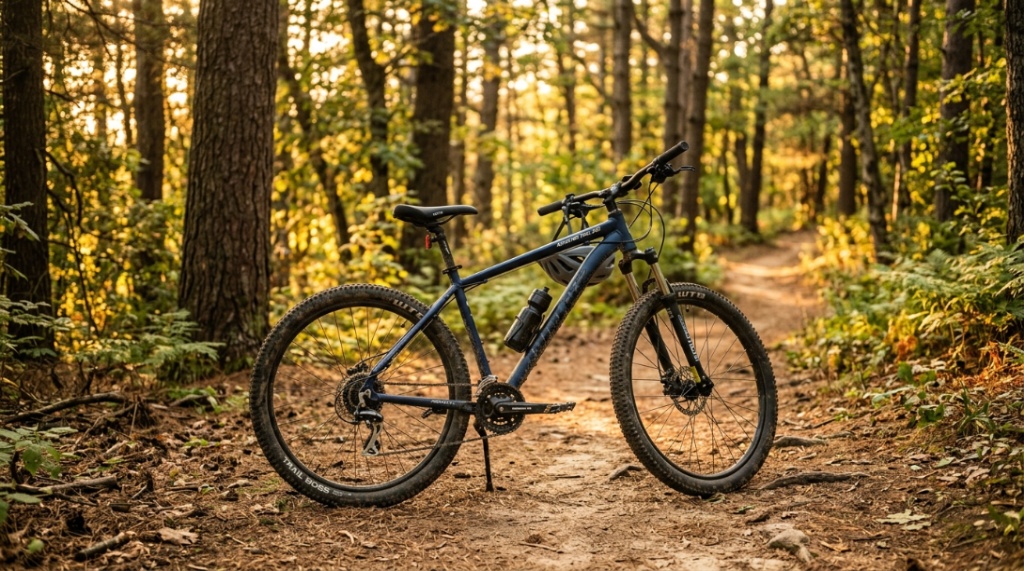
Both 27.5-inch and 29-inch wheels work well for trail riding. 29ers roll over obstacles more easily and maintain momentum, while 27.5-inch wheels offer quicker handling and better acceleration.
The wheel size debate has been going on for years, and honestly, both sizes have legitimate strengths. For trail riding specifically, 29-inch wheels have become the dominant choice because they handle rough terrain more smoothly. The larger diameter rolls over roots and rocks with less effort, which means less fatigue on longer rides.
However, 27.5-inch wheels aren’t obsolete. They accelerate faster, feel more nimble in tight corners, and are generally lighter. If you’re a smaller rider or prefer technical, twisty trails, 27.5 might actually suit you better. Many budget bikes come in both sizes, so choose based on your height and riding style rather than following trends.
Here’s a quick sizing guide:
- Riders under 5’6″: 27.5-inch wheels typically fit better
- Riders 5’6″ to 6’0″: Either size works; test ride both if possible
- Riders over 6’0″: 29-inch wheels are usually the better fit
Why Are Disc Brakes Essential for Trail Riding?
Disc brakes provide consistent stopping power in all weather conditions and terrain types. On trails, where mud, water, and dust are constant factors, disc brakes are far more reliable than traditional rim brakes.
When you’re descending a steep trail and need to slow down quickly, your brakes are literally your most important safety feature. Rim brakes, which squeeze the wheel’s rim to create friction, lose effectiveness when wet or muddy. They also wear down the wheel rim over time, which can lead to wheel failure.
Mechanical disc brakes use a cable to actuate the brake caliper. They’re easier to maintain and adjust at home, which matters when you’re on a budget and want to minimize shop visits. Hydraulic disc brakes use fluid to transfer force from the lever to the caliper, providing more power and better modulation. They’re superior in performance but cost more and require specialized tools for bleeding and maintenance.
For budget trail bikes, mechanical disc brakes are perfectly adequate. Just make sure the rotors are at least 160mm in diameter for decent stopping power.
How Important Is Suspension on a Budget Trail Bike?
Suspension is very important for trail riding comfort and control. A decent front suspension fork absorbs impacts from rocks and roots, reduces hand fatigue, and keeps your tires in contact with the ground for better traction.
On a budget bike, you won’t get the plush, adjustable suspension found on $2,000 bikes. But even a basic coil-spring fork with 80 to 100mm of travel makes a massive difference compared to a rigid fork. The key is avoiding the cheapest suspension forks that are essentially rigid with a spring inside. These add weight without providing meaningful cushioning.
Look for forks with preload adjustment at a minimum. This lets you tune the suspension to your weight. Some budget forks also offer lockout, which stiffens the fork for efficient climbing on smooth sections. Brands like SR Suntour and XCM produce affordable forks that perform well for the price.
What to Look for in a Budget Suspension Fork
- Travel: 80–100mm is ideal for cross-country and light trail riding
- Adjustable preload: Lets you set sag based on your weight
- Lockout: Useful for climbing and smooth sections
- Coil spring: Durable and low-maintenance at budget prices
- Stanchion diameter: 28mm or 30mm is standard and sufficient
Can You Really Ride Technical Trails on a Budget Mountain Bike?
Yes, you can ride technical trails on a budget mountain bike, but you’ll need to choose wisely and understand the limitations. A well-selected budget bike handles beginner to intermediate technical trails without issues.
The biggest factor isn’t the bike, it’s your skill level. A skilled rider on a $400 bike will outperform a beginner on a $3,000 bike every time. Budget bikes have limitations: they’re heavier, the components aren’t as refined, and they require more frequent maintenance. But they absolutely can handle roots, rocks, small drops, and steep climbs.
Where budget bikes struggle is on sustained, high-speed descents with repeated heavy impacts. The suspension can overheat, the brakes can fade, and the drivetrain may shift less precisely under load. For most recreational trail riding, these limitations rarely come into play.
Start with green and blue rated trails. As your skills improve and you understand your bike’s capabilities, you can gradually progress to more challenging terrain. Many experienced riders started on budget bikes and learned proper technique before investing in higher-end equipment.
What Are the Best Budget Mountain Bike Brands for Trail Riding?
Reliable budget mountain bike brands for trail riding include Schwinn, Dynacraft, Mongoose, Vitus, GT, and Co-op Cycles. These brands offer trail-capable bikes with quality components at accessible prices.
Schwinn has been making bikes for over a century and their modern budget offerings are surprisingly capable. Their Boundary and Axum lines provide solid trail performance for under $500. Dynacraft, often overlooked, produces bikes like the Magna Echo Ridge that punch above their weight class for trail riding.
Mongoose has a strong reputation in the mountain biking world, and their budget models like the Dolomite and Malus are popular choices. Vitus, a UK-based brand, offers exceptional value through direct-to-consumer sales, often including hydraulic disc brakes and better components at prices where competitors offer mechanical brakes.
GT and Co-op Cycles (REI’s house brand) also deserve mention. GT’s Aggressor series is a trail staple, and Co-op Cycles’ DRT line offers well-thought-out designs with quality components backed by REI’s generous return policy.
Pros and Cons of Popular Budget Brands
| Brand | Pros | Cons |
|---|---|---|
| Schwinn | Wide availability, trusted name, good warranty | Some models overpriced for components |
| Dynacraft | Affordable, decent trail capability | Less brand recognition, limited dealer network |
| Mongoose | Strong MTB heritage, aggressive geometry | Entry-level models can be heavy |
| Vitus | Excellent component spec for price | Online only, no test rides |
| Co-op Cycles | Quality components, great return policy | Limited to REI stores and website |
How Do You Maintain a Budget Mountain Bike for Trail Riding?
Regular maintenance keeps a budget mountain bike performing reliably on trails. Focus on cleaning after rides, checking tire pressure, lubricating the chain, inspecting brakes, and keeping bolts tight.
Budget bikes actually benefit more from regular maintenance than expensive ones. The components aren’t as refined, so they wear faster and need more attention. But don’t let that scare you, basic maintenance is straightforward and takes just a few minutes.
After every trail ride, rinse off mud and debris with a gentle stream of water. Never use a pressure washer, as it forces water into bearings. Dry the bike and apply chain lube. Check that your brakes are functioning properly and that tires have adequate pressure.
Weekly, inspect your tire tread for wear and embedded debris. Check that all bolts, especially on the stem, handlebars, and wheels, are properly tightened. Monthly, clean and lubricate the entire drivetrain, check brake pad wear, and inspect the suspension fork for smooth operation.
Essential Maintenance Schedule
- After every ride: Rinse, dry, lube chain, check tire pressure
- Weekly: Inspect tires, check bolts, test brakes
- Monthly: Deep clean drivetrain, check brake pads, inspect cables
- Seasonally: Replace cables, service fork, check wheel trueness
What Mistakes Should You Avoid When Buying a Budget Trail Bike?
The biggest mistakes include buying from department stores without research, prioritizing looks over components, choosing the wrong size, ignoring brake quality, and skipping the test ride.
Department store bikes are the number one trap for new riders. They look like mountain bikes, carry mountain bike names, but use components that can’t handle real trail conditions. The frames are often heavy steel, the suspension is decorative, and the brakes are inadequate. Always buy from a bike shop or reputable online retailer.
Choosing the wrong size is another common error. A bike that doesn’t fit properly is uncomfortable, hard to control, and can cause injuries. Most manufacturers provide sizing charts based on height and inseam. Use them, and if possible, test ride before buying.
Don’t be swayed by flashy graphics or extra features like unnecessary suspension travel. Focus on the fundamentals: frame material, brake type, drivetrain quality, and tire condition. A plain-looking bike with quality components will always outperform a flashy bike with cheap parts.
Is It Better to Buy a Budget Bike or Save for a More Expensive One?
Buying a budget bike now is usually better than waiting months to save for an expensive one. Riding regularly on a decent budget bike builds skills faster than waiting for the perfect bike.
The best mountain bike is the one you actually ride. If buying a $400 bike gets you on trails this weekend versus waiting six months for a $1,200 bike, the budget option wins every time. Skills develop through practice, and you’ll learn what you actually need in a bike by riding regularly.
That said, if you can comfortably afford to spend $600 to $800 without financial strain, the jump in quality is significant. You’ll get hydraulic disc brakes, a better suspension fork, and a lighter frame. But don’t go into debt or sacrifice essentials for a fancier bike.
Many riders start with a budget bike, ride for a season or two, and then upgrade with a clear understanding of their preferences. This approach often leads to a better final purchase because you know exactly what matters to you.
What Accessories Do You Need for Trail Riding on a Budget?
Essential trail riding accessories include a helmet, hydration system, basic repair kit, gloves, and padded shorts. These items keep you safe and comfortable without adding significant cost.
A helmet is non-negotiable. Budget $40 to $70 for a certified mountain bike helmet with MIPS technology, which reduces rotational forces during impacts. Don’t reuse an old road helmet, mountain bike helmets provide more coverage at the back of the head.
A basic repair kit should include a spare tube, tire levers, a mini pump or CO2 inflator, and a multi-tool. Flats happen on trails, and being stranded miles from the trailhead is no fun. Practice changing a tube at home before you need to do it on the trail.
Gloves protect your hands from blisters and crashes. Padded shorts eliminate saddle discomfort on longer rides. A hydration pack or water bottle cage keeps you hydrated. Total cost for these essentials runs about $80 to $120, a worthwhile investment that dramatically improves your trail experience.
Conclusion
Choosing the best budget mountain bike for trail riding comes down to knowing what matters and ignoring the noise. Focus on an aluminum frame, mechanical disc brakes, a functional front suspension fork with at least 80mm of travel, and quality tires. Spend between $350 and $600 for the best value, and buy from reputable brands like Schwinn, Mongoose, Vitus, or Dynacraft. Avoid department store bikes, always check sizing charts, and don’t skip the test ride. Remember, the best bike is the one that gets you on the trails regularly. Start riding, build your skills, and upgrade when you know exactly what you need. Your next adventure is waiting, grab a capable budget bike and hit those trails this weekend.
Frequently Asked Questions
What is the best budget mountain bike for trail riding?
The best budget mountain bike for trail riding depends on your specific needs, but models like the Schwinn Boundary, Mongoose Dolomite, and Dynacraft Magna Echo Ridge offer excellent trail capability for under $500. Look for aluminum frames, disc brakes, and functional suspension forks.
Can a $300 mountain bike handle real trails?
A $300 mountain bike can handle light to moderate trails, but quality varies significantly at this price point. Some models from reputable brands perform well, while department store bikes at this price are generally not suitable for real trail riding conditions.
Is a hardtail or full suspension better for budget trail riding?
A hardtail is better for budget trail riding. Full-suspension bikes under $500 compromise too heavily on component quality. A well-built hardtail with a good fork outperforms a cheap full-suspension bike in every meaningful way.
How heavy is a budget mountain bike?
Budget mountain bikes typically weigh between 30 and 35 pounds. Aluminum frame models are lighter, around 30 to 32 pounds, while steel frame bikes can weigh 34 to 37 pounds. Weight matters less than component quality for trail performance.
Do I need clipless pedals for trail riding?
No, clipless pedals are not necessary for trail riding, especially as a beginner. Flat pedals with grippy pins are actually better for learning because you can put your feet down quickly. Upgrade to clipless pedals once you’re comfortable with basic trail skills.
How often should I service my budget mountain bike?
Perform basic maintenance after every ride, including cleaning and chain lubrication. Do a thorough check weekly, and consider a professional tune-up every six months or after approximately 500 miles of trail riding.
What size mountain bike do I need?
Mountain bike sizing depends on your height and inseam measurement. Generally, riders under 5’6″ fit a small frame, 5’6″ to 5’10” fits medium, 5’10” to 6’2″ fits large, and over 6″2″ fits extra-large. Always check the manufacturer’s specific sizing chart.