
How to Catch More Fish Using Affordable Fishing Gear
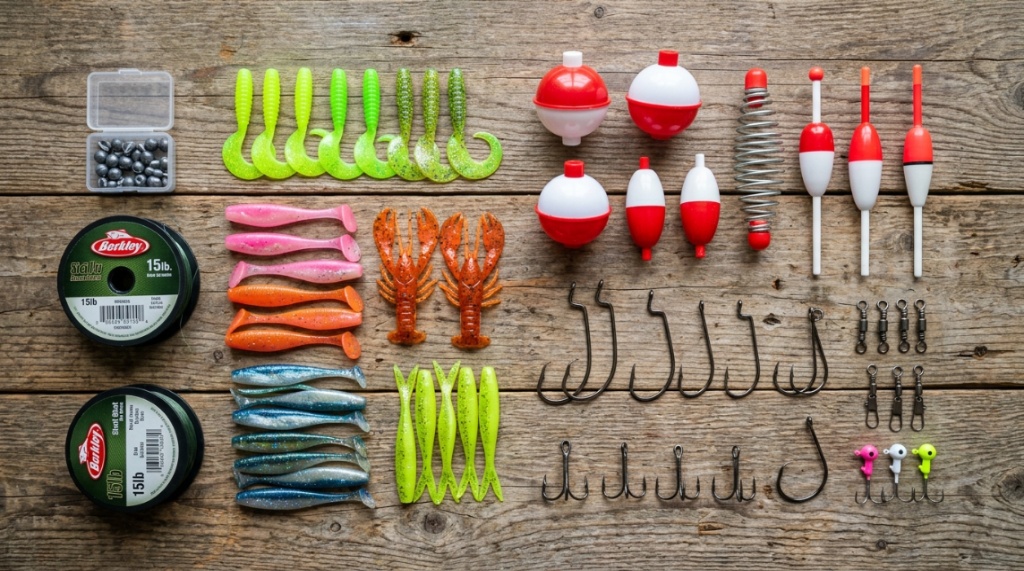
You don’t need a $500 rod, a bass boat, or a tackle box full of high-end lures to consistently land quality fish. In fact, many experienced anglers will tell you that spending more money rarely correlates with catching more fish.
The real secret lies in understanding how to choose, maintain, and effectively use affordable fishing gear fishing equipment that matches your local conditions and target species. Whether you are a weekend warrior on a tight budget or a seasoned pro looking to simplify your approach, this guide will show you how to maximize your catch rate without emptying your wallet. Let’s turn your budget tackle into a serious fishing advantage.
What Defines Affordable Fishing Gear That Actually Works?
Affordable fishing gear is any piece of equipment priced under $50 that is built with functional reliability, not flashy features. The best budget gear prioritizes corrosion resistance, sensitivity, and ease of use over brand names or premium materials. For example, a $20 medium-action spinning rod paired with a $30 graphite reel will outperform a $200 combo that is improperly balanced for your fishing style.
When shopping for budget tackle, ignore marketing hype about “high-modulus carbon fiber” or “titanium guides.” Instead, focus on three core characteristics: weight, drag smoothness, and line lay. A cheap reel that lays line evenly on the spool will cast farther than an expensive one with poor line management. Affordable does not mean fragile; it means efficient. Many anglers find that mid-range composite rods from brands like Shakespeare or Ugly Stik offer 80% of the performance of top-tier models at a fraction of the cost.
Key Features to Look For in Budget Gear
- Corrosion-proof components: Stainless steel guides and aluminum oxide inserts resist rust without adding cost.
- Decent drag system: Look for carbon fiber drag washers instead of felt—they are quieter, smoother, and last longer.
- Comfortable grip: EVA foam or cork composite handles reduce fatigue during long fishing sessions.
- Moderate action rod: A medium or medium-light action rod forgives casting errors and works well for both lures and bait.
Why Is Understanding Your Local Waterway More Important Than Gear Price?
Your ability to read water, identify structure, and understand fish behavior determines 90% of your success. Expensive gear cannot compensate for fishing in the wrong spot or at the wrong depth. Affordable gear actually teaches you to become a better angler because it forces you to rely on skill rather than technology. If you can consistently catch fish on a simple worm and hook rig, you will excel with any setup.
Start by mapping the bottom composition of your local lake, river, or pond. Fish relate to specific features like drop-offs, weed lines, rock piles, and submerged timber. A $10 depth-finding app on your phone or a simple weighted bobber can reveal these structures for free. Once you understand where fish hold, even the most basic affordable fishing gear fishing equipment will produce strikes. For instance, a plain jig head with a twister tail retrieved along a gravel transition zone will outfish a $15 topwater lure cast randomly across open water.
How to Choose the Right Affordable Rod and Reel Combo
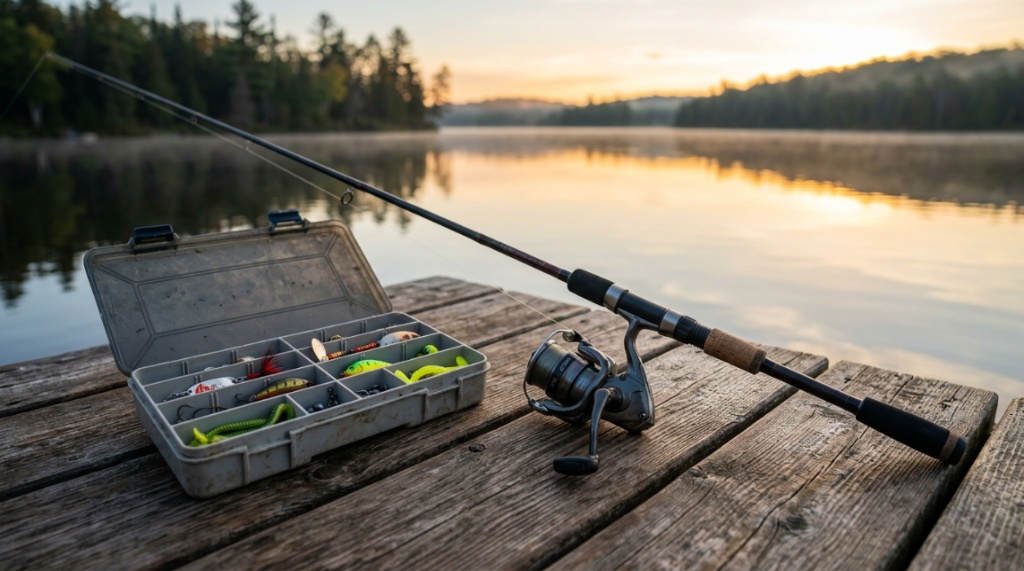
Start with a 6.5- to 7-foot medium-light spinning combo for freshwater versatility. This length provides enough backbone for bass and walleye while remaining sensitive enough for panfish. The ideal budget combo should have a reel size of 2500 to 3000, which balances line capacity and weight. Pair your combo with 8- to 10-pound braided line; braid lasts longer than monofilament and improves casting distance on budget reels.
When testing a combo in the store, check for tip wobble. Hold the rod at a 45-degree angle and shake it gently. A quality budget rod will vibrate evenly along the entire blank. If the tip flops wildly, the rod is too stiff or poorly constructed. Also, test the reel handle—it should turn smoothly without grinding noises. Many budget reels from brands like Pflueger or Daiwa now feature sealed ball bearings that rival premium models.
Top Budget Combo Recommendations
| Combo | Price Range | Best Use |
|---|---|---|
| Ugly Stik GX2 + Shakespeare reel | $35–$45 | General freshwater, catfish, bass |
| KastKing Centron + KastKing reel | $40–$55 | Light lures, trout, panfish |
| Zebco 33 Spincast | $15–$25 | Beginners, kids, live bait fishing |
Which Affordable Lures Perform Best in High-Pressure Waters?
In waters with heavy fishing pressure, subtle presentations beat flashy lures. The best affordable options include soft plastic stick baits (like Senko knockoffs), small spinnerbaits, and inline spinners. These lures have natural action that triggers strikes even when fish are wary. A package of 10 stick baits costs around $3–$5, but they catch everything from largemouth bass to crappie. Rig them weightless for a slow fall through vegetation or on a light jig head for deeper water.
Spinnerbaits with a single Colorado blade are underrated for stained water and cost under $4 each. They create vibration that fish feel through their lateral lines, making them effective at night or in murky conditions. For clear waters, use small crankbaits in natural shad or crawfish patterns. The key is to vary your retrieve speed until you find what triggers a reaction. Many budget anglers overlook the value of a simple curly tail grub on a jig head—this combination catches over 30 species of fish and costs less than a dollar to rig.
Can You Catch Trophy Fish with Inexpensive Terminal Tackle?
Yes, absolutely. Trophy fish like 10-pound bass, 20-pound pike, or 30-pound catfish are commonly caught on hooks, weights, and swivels that cost pennies each. The critical factor is hook sharpness and knot strength, not hook brand. A sharp #4 or #2 circle hook tied with a Palomar knot will securely land a trophy fish if you maintain steady pressure. Dollar-store fishing hooks often arrive dull, so invest in a small hook file or sharpening stone to keep them deadly.
For catfish and carp, use a simple slip sinker rig with a 2-ounce egg sinker, a bead, and a swivel. This setup costs under $1 and is used by professional tournament anglers. The mistake beginners make is using leaders that are too light. For trophy fish, use 20- to 30-pound fluorocarbon leader material—it costs about the same as monofilament but offers superior abrasion resistance against teeth and sharp gill plates. Deciding to upgrade your terminal tackle quality even slightly can dramatically increase your landing rate.
When Should You Upgrade Components Versus Buying New Gear?
Upgrade the reel bearings and lubricant first, then the rod guides and handle. A $10 set of high-quality bearings can make a $30 reel feel like a $100 model. Most budget reels come with standard brass bearings; replacing them with stainless steel or ceramic bearings reduces friction and increases casting distance by 15–20%. Similarly, replacing cheap plastic rod guides with ceramic or stainless steel guides costs little but prevents line fray and improves sensitivity.
You should only buy a completely new rod and reel when the current setup has become unsafe—for example, if the reel seat cracks or the rod blank splinters. Otherwise, invest in maintenance tools: a reel oil kit, a rod repair sleeve, and a hook sharpener. These small investments extend the life of your budget gear and maintain performance. Many tournament anglers keep a “beater” setup for rough conditions and a “tuned” budget rig for finesse fishing. You can create two specialized combos for the price of one premium setup.
How to Properly Maintain Affordable Fishing Gear for Maximum Lifespan
Rinse every piece of gear with fresh water after each trip, especially if you fish in saltwater or brackish conditions. Pay special attention to the reel handle, bail arm, and line roller—these are where salt and sand accumulate. After rinsing, dry everything with a soft cloth and apply a drop of oil to the reel’s moving parts every three trips. For rods, wipe down the blank and guides with a silicone-based protectant to prevent corrosion.
Store your gear horizontally or vertically in a cool, dry place. Never leave rods in a hot car trunk; the heat can warp the blank and dry out the reel grease. Replace your fishing line every season, even if it looks fine. UV rays and friction weaken monofilament and fluorocarbon over time, leading to break-offs at critical moments. By following these simple steps, a $40 combo can easily last 5–7 years of regular use. Choosing the right affordable fishing gear fishing equipment is only half the battle—proper care ensures it performs when it matters most.
What Are the Best Affordable Knots for Maximum Strength?
The Palomar knot is the strongest and easiest knot for beginners, achieving nearly 100% line strength when tied correctly. It works well with braided, monofilament, and fluorocarbon lines. For joining leader to mainline, use the Alberto or FG knot, which both provide smooth passage through rod guides. These knots require some practice but are free to learn and can be mastered in 10 minutes using online tutorials.
For terminal tackle like hooks and swivels, the improved clinch knot is reliable and quick. Wet the knot before tightening to reduce friction and heat build-up, which weakens the line. Avoid using the standard clinch knot for braided lines—it slips under load. Instead, use the Palomar with braid and the improved clinch with mono or fluoro. Testing your knot strength on a scale will show you which ones hold best with your specific line brand.
Knot Strength Comparison
- Palomar: 95–100% strength, works with all line types
- Improved Clinch: 85–95% strength, best for monofilament
- Alberto: 90–98% strength, ideal for leader connections
- FG Knot: 95–100% strength, best for braid-to-leader
Is It Worth Buying Affordable Fishing Line?
Yes, but only if you choose the right type for your fishing style. Budget monofilament lines from brands like Berkley or SpiderWire are completely reliable for general freshwater fishing. They stretch slightly, which absorbs shock during hooksets, making them ideal for beginners and live bait fishing. The biggest complaint about cheap monofilament is memory—line that stays coiled after coming off the spool. You can minimize this by soaking the spool in warm water before your trip.
For budget braided lines, focus on brands that offer four-strand weaves. Eight-strand braids are smoother but cost more and offer marginal benefit for most fishing scenarios. A 300-yard spool of four-strand braid costs around $12–$15 and will last you an entire season if you replace the top 20 feet regularly. Budget fluorocarbon is often too stiff for small reels, so use it only for leaders rather than mainline. This limits your expense while gaining the invisibility benefits of fluorocarbon.
How to Read Water Like a Pro Using Only Your Eyes
Look for changes in water color, surface disturbance, and current seams. Darker water usually means deeper depth or submerged vegetation. Ripples on a calm surface indicate baitfish activity. Current seams—lines where fast and slow water meet—are prime feeding lanes for predator fish. You don’t need a fish finder; your eyes and a good pair of polarized sunglasses (which can be found for under $25) are enough to identify 80% of productive spots.
Pay attention to birds. Terns, gulls, and kingfishers diving into the water signal baitfish schools below, which attract larger game fish. Also watch for fish breaching the surface, which is a clear sign of feeding activity. When you find these visual cues, present your affordable fishing gear fishing equipment in that zone. Cast parallel to current seams or across weed edges rather than directly into them, which spooks fish. A slow, steady retrieve often triggers strikes from fish that are actively hunting but not chasing fast-moving targets.
Can Fishing with Artificial Lures Save You Money Over Time?
Yes, because you can reuse lures hundreds of times, while live bait requires constant purchase. A $3 bag of soft plastics can catch 50 fish before wearing out. In contrast, a single dozen nightcrawlers costs $4 and are gone in one session. Over a year of weekly fishing, switching from live bait to affordable artificial lures saves you $150–$200. The only exception is fishing for catfish or carp, where cheap bait like canned corn or chicken liver remains cost-effective.
Artificial lures also eliminate the need for bait storage and refrigeration. You can carry dozens of lures in a small tackle box without worrying about bait dying or smelling. To maximize savings, learn to repair torn soft plastics with a simple cigarette lighter—melting the torn edges reseals the lure and extends its life. You can also sharpen dull hooks on crankbaits and jigs with a hook file rather than discarding them. This mindset turns every budget lure into a long-term investment.
What Are the Most Common Mistakes Anglers Make with Budget Gear?
The most common mistake is using the wrong line weight for the rod. Many beginners spool budget combos with 20-pound line on a rod rated for 6–12 pounds, which ruins casting distance and sensitivity. Always match your line to the rod’s recommended line rating, printed near the reel seat. The second mistake is neglecting reel drag adjustment. Anglers set drag too tight, causing break-offs, or too loose, letting fish run too far. Set your drag to 25% of your line’s breaking strength as a starting point.
Another frequent error is using dull hooks. Budget hooks are typically zinc-plated and dull from the factory. Spending 30 seconds sharpening each hook with a stone turns a mediocre setup into a reliable one. Lastly, many anglers cast too hard with budget gear. Moderate casting distance with a smooth release outperforms maximum effort that causes wind knots and backlash. Remember that budget gear rewards finesse, not force.
Frequently Asked Questions
Is affordable fishing gear durable enough for saltwater fishing?
Yes, but you must rinse all gear thoroughly with fresh water after each saltwater trip. Look for budget rods with stainless steel guides and reels with sealed drag systems. Avoid aluminum handles that corrode quickly. With proper maintenance, budget gear can handle inshore saltwater species like redfish and speckled trout.
Can I use budget gear for fly fishing?
Yes, starter fly rod combos from brands like Cabela’s or Scientific Anglers cost under $60 and are perfectly capable for trout and panfish. Focus on a 5-weight, 9-foot rod for versatility. The line quality matters more than the rod—invest in a decent floating line, which costs around $20–$30.
How often should I replace cheap fishing line?
Replace line every 3–4 months if you fish weekly. For occasional anglers, replace it at the start of each season. UV light and friction degrade monofilament and fluorocarbon, making them brittle. Braided lines last longer, up to a year, if rinsed and stored properly.
What is the best affordable lure for beginners?
A 1/8-ounce jig head paired with a 3-inch curly tail grub is the most versatile and affordable lure. It catches bass, panfish, crappie, and walleye. The total cost is under $1 per rig, and it works in both still and moving water.
Does brand matter for affordable fishing gear?
Yes, but only to a point. Stick with established brands like Shakespeare, Ugly Stik, KastKing, Pflueger, and Daiwa for entry-level gear. They invest in consistent quality control. Avoid no-name brands from discount retailers that lack replacement parts or warranty support.
Can I catch big fish with a cheap rod and reel?
Yes, if you use proper drag settings and a strong knot. Affordable gear from reputable brands can handle fish up to 20 pounds when used within its rating. The angler’s skill in fighting fish matters far more than the gear’s price tag.
Is it better to buy a cheap combo or a mid-range rod and separate reel?
For beginners, a cheap combo is fine. For serious anglers, buying a mid-range rod and a budget reel separately often provides better performance. You get a sensitive rod and can upgrade the reel later. Total cost is around $60–$80.
When assembling a budget setup, prioritize where you spend your money. You can save on line and hooks, but you must avoid buying a fishing reel that fails under pressure. A smooth drag system is what ultimately helps you land bigger catches on lightweight, affordable rods.
Conclusion
Catching more fish does not require a second mortgage on your tackle collection. By focusing on water-reading skills, proper gear maintenance, and smart purchases of affordable fishing gear fishing equipment, you can consistently outfish anglers with expensive setups. The key takeaways are: invest in a versatile medium-light spinning combo, learn two or three strong knots, sharpen your hooks regularly, and practice reading water without electronics. Start by choosing one affordable lure—like a jig and grub—and master its presentation in your local water. Over the next month, track your catch rate versus your gear cost. You will likely find that your success increases while your spending decreases. The best fishing investment you can make is not a new rod, but time spent on the water learning the habits of the fish you pursue.