
How to Avoid Buying a Fishing Reel That Fails Under Pressure
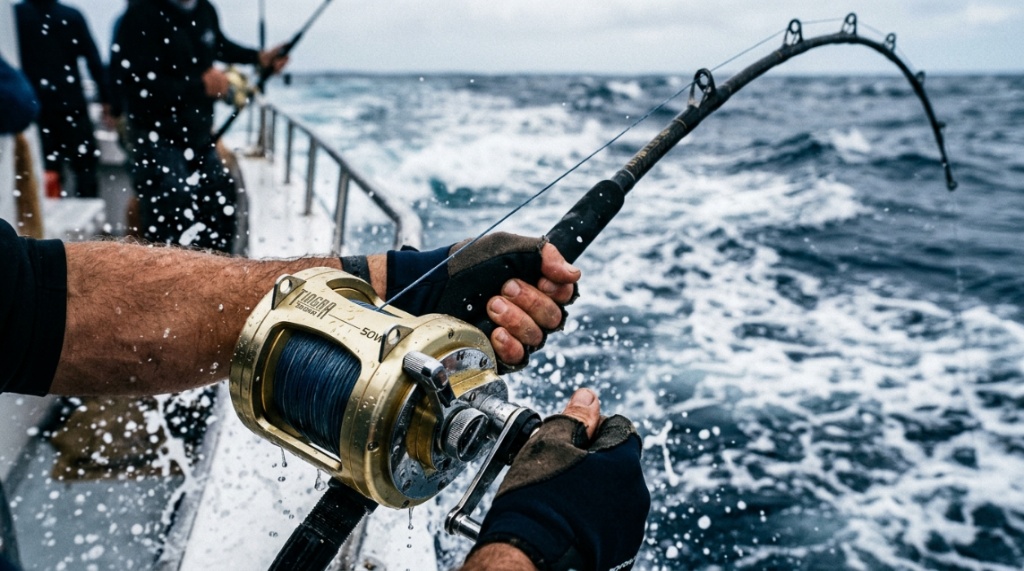
You’ve just hooked into the fish of a lifetime. The line peels off, your rod doubles over, and then you feel it—a grinding hesitation in the reel before it locks up completely. That trophy fish snaps your line and swims away, leaving you staring at a useless piece of gear. We have all been there, and it hurts. The problem isn’t your luck; it is your gear. Many anglers spend good money on reels that look great on the shelf but crumble when the drag starts screaming. You need to know how to identify durable fishing reels that can handle real pressure, not just shelf appeal. This guide walks you through the exact specifications, materials, and tests that separate a reliable workhorse from a paperweight.
What Actually Causes a Reel to Fail Under High Pressure?
A fishing reel fails under high pressure primarily due to three components giving out: the drag system overheating, the gears stripping, or the frame flexing. When a large fish makes a powerful run, the drag generates immense friction. If the drag washers are made from low-quality felt or paper, they burn up and become sticky, causing line breakage. Simultaneously, cheap metal gears made of pot metal or zinc can have their teeth shear off. The frame itself, if made of thin plastic or composite, twists under load, misaligning the spool and causing the rotor to seize. Understanding these failure points helps you inspect a reel before you buy it.
The Heat Trap: Why Drag Fades Mid-Fight
Friction equals heat. A standard carbon fiber drag washer is rated to handle high heat without glazing over. Cheaper reels use felt washers soaked in oil. Once that oil burns off (which happens quickly during a long run), the drag becomes jerky and unpredictable. You want a reel with a sealed carbon fiber or ceramic drag system for consistent, smooth pressure.
The Gear Grind: Soft Metals vs. Hardened Steel
Look at the gear material. “Machined aluminum” gears are good for light duty. “Brass” gears are better. “Stainless steel” or “hardened steel” gears are best for fighting big fish. If the manufacturer does not list the gear material, it is likely a cheap zinc alloy that will fail.
How Can You Check a Reel’s Build Quality Before Buying?
You can check a reel’s build quality before buying by handling it and listening to it. First, grab the handle and turn it quickly. It should feel smooth with no grinding or clicking. Next, hold the reel body in one hand and the spool in the other. Try to twist them in opposite directions (torsion test). A high-quality reel will feel solid with zero flex. A cheap reel will twist, indicating a weak frame. Finally, lift the bail arm and let it snap shut. A loud, hollow clang suggests thin metal; a solid, dull thud suggests thick, quality construction.
The Spool Wobble Test
Set the drag to medium. Rock the spool side-to-side. If you feel any lateral play, the reel has loose tolerances. Under the pressure of a large fish, this play will increase, causing the line to lay unevenly and eventually causing a backlash or knot.
Weight as a Clue
Generally, heavier reels in the same size class are built with stronger materials. A 4000-size reel made of graphite will be very light but may flex. A 4000-size reel made of machined aluminum will be heavier but significantly more torsion-resistant.
What Is the Most Important Feature for Fishing Reel Durability?
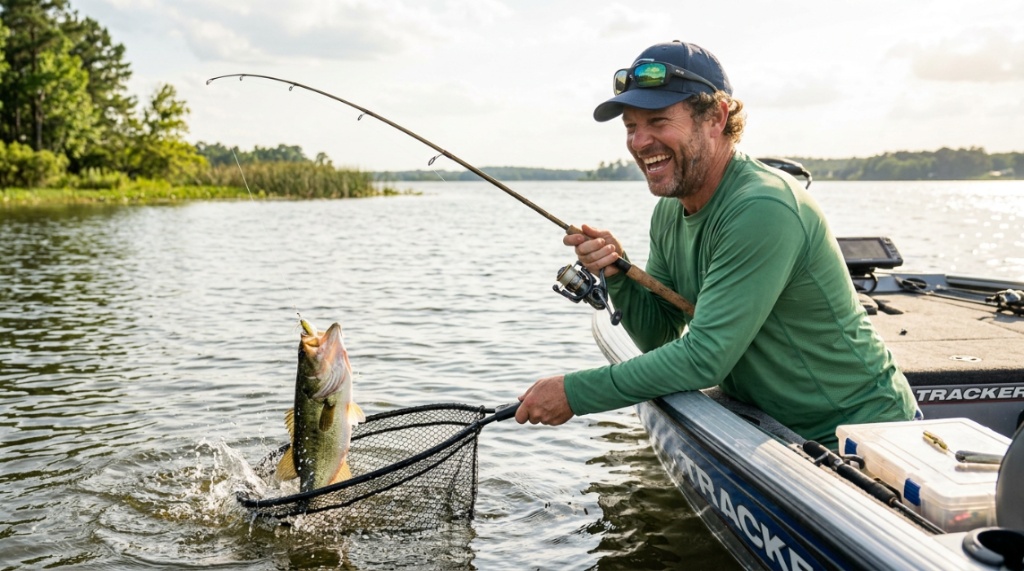
The most important feature for fishing reel durability is a robust, sealed drag system combined with a cold-forged, one-piece metal frame. You can replace a handle or a bearing, but you cannot fix a warped frame or a burnt-out drag. A one-piece frame eliminates the weak points found in two-piece designs that are screwed together. A sealed drag prevents sand, salt, and water from contaminating the washers, which is the number one cause of drag fade.
Why a One-Piece Frame Wins
Two-piece frames have a seam down the middle. Under pressure, that seam can flex, causing the side plates to spread apart. This misaligns the main gear, putting heavy stress on the pinion gear. A one-piece frame (unibody) is machined from a single block of aluminum, creating a rigid chassis that cannot flex.
Which Reel Materials Last the Longest?
| Component | Material to Avoid (Fails Fast) | Material to Buy (Lasts Long) |
|---|---|---|
| Frame | Graphite / Plastic Composite | Machined Aluminum / Stainless Steel |
| Main Gear | Zinc / Pot Metal | Brass / Machined Stainless Steel |
| Drag Washers | Felt / Paper / Leather | Carbon Fiber / Ceramic |
| Handle Arm | Folded Stainless Steel | Machined Aluminum / Forged Steel |
| Bail Wire | Thin Spring Wire | Thick Stainless Steel |
Focusing on these material choices will eliminate 90% of low-durability reels on the market.
How Much Drag Pressure Do You Really Need?
You need a drag pressure equal to roughly 25-30% of your line’s breaking strength. You do not need 40 pounds of drag if you are fishing for bass on 12lb test line. However, the quality of that drag matters more than the maximum number. A reel that claims 20lbs of drag but stutters at 10lbs is a failure. You want a reel that offers smooth, incremental pressure from 0 to max. Look for reels with at least 20lbs of max drag for medium-sized saltwater fish and 10-15lbs for freshwater bass or pike.
Can a Reel Be Both Lightweight and Durable?
Yes, but only through premium materials and engineering. A lightweight but durable reel requires a machined aluminum frame (not graphite) and a magnesium rotor. These materials are strong and light, but they are expensive. If you see a lightweight reel under $100, it is either made of thin graphite (weak) or poor-quality metal. Expect to pay over $200 for a reel that is genuinely both light and durable. You cannot have extreme lightness and extreme toughness on a budget.
What Are the Warning Signs of a Poorly Made Reel?
- Gritty feel: When you turn the handle, it feels like sand is inside. This is poor bearing quality or seal failure.
- Excessive handle play: The handle wobbles back and forth even slightly. This indicates poor machining tolerances.
- Loud bail closure: A sharp, metallic ping suggests the bail spring is weak and the wire is slapping hard against the rotor.
- Line roller does not spin: The line roller on the bail should spin freely with a fingertip. If it sticks, you will get line wear and twist.
- Locked drag: If you tighten the drag all the way and the spool still slips easily, the drag system is already failing or the washers are glazed.
How to Test a Reel’s Drag Durability at Home?
- The Bucket Test: Tie your line to a 5-gallon bucket of water. Lift the bucket off the ground using the rod and reel. The drag should slip smoothly without stuttering as you lift.
- The Scale Test: Tie the line to a fish scale. Set the drag to a specific poundage (e.g., 5lbs). Pull the line out steadily. The scale should read exactly 5lbs without spiking to 8lbs then dropping to 3lbs.
- The Heat Check: After pulling line for 30 seconds under moderate pressure, touch the drag star or knob. If it is hot, the system is generating too much friction and will fail under a real fight.
If a reel passes these three tests, it has a functional, durable drag system.
Is a Sealed Reel Better for Durability?
Yes, a sealed reel is significantly better for long-term durability, especially for saltwater or kayak anglers. Sealing prevents sand, silt, and saltwater from entering the gearbox and drag chamber. The biggest killer of fishing reels is contamination. A sealed body (often using an IPX rating like IPX6 or IPX8) means you can rinse the reel off without worrying about water forcing its way into the bearings. However, sealed reels require professional servicing to replace internal grease, so factor that into your ownership cost.
Which Type of Fishing Reel Is Most Durable Overall?
Conventional reels (overhead reels) are generally the most durable overall due to their simpler internal mechanics and larger, stronger gears. Baitcasting reels follow closely behind, offering high torque and strong frames. Spinning reels are inherently less durable for extreme heavy lifting because the drag system is smaller and the gear train is more complex. However, a high-end spinning reel with a machined frame and carbon drag can be extremely durable for its class.
Once you invest in a high-quality reel that won’t let you down, you need to protect it from saltwater corrosion and physical damage during transit. Storing your gear properly ensures its longevity, so make sure to pack your setup in the Best Fishing Tackle Storage Bags for Any Fishing Trip before heading out to the water.
Durability Ranking by Reel Type
- 1. Conventional (Trolling/Offshore): Massive gears, high drag, strong frames.
- 2. Baitcasting: High gear strength, solid frames, good for 20-50lb fish.
- 3. Spinning: Good for medium pressure, but prone to frame flex under extreme load.
- 4. Spincast: Lowest durability; plastic components fail quickly.
How Does Maintenance Affect Reel Durability?
Maintenance is the single biggest factor you control that determines longevity. A cheap reel that is serviced regularly will outlast an expensive reel that is neglected. After every saltwater trip, rinse the reel with fresh water (low pressure) and dry it. Every season, open the reel, clean the old grease, and apply new synthetic grease to the gears and oil to the bearings. Proper lubrication reduces friction, which reduces heat, which prevents gear wear. A reel stored wet or gritty will fail quickly, regardless of initial build quality.
The 80/20 Rule for Reel Care
80% of reel failures come from poor maintenance, not manufacturing defects. Focus on rinsing, drying, and annual re-greasing to maximize the lifespan of your investment. For reviews of reels that hold up under rigorous testing conditions, check out this analysis of durable fishing reels fishing reel durability to see which models survive the most extreme torture tests.
Frequently Asked Questions
How many pounds of drag do I need for saltwater fishing?
For inshore saltwater fishing, 15-20 pounds of drag is sufficient. For offshore bottom fishing, 30-40 pounds is recommended. The drag should be smooth and consistent, not just high in number.
Are cheap fishing reels worth buying?
Cheap reels under $50 are generally not worth buying if you target fish over 5 pounds. They use weak metals and felt drags that fail quickly. However, for panfish or small trout, a $30 reel can last a season.
How often should I replace the drag washers in my reel?
Replace drag washers when they become glazed, sticky, or worn thin. For saltwater anglers, this might be every 1-2 years. For light freshwater use, they can last 3-5 years with proper rinsing.
Does a higher gear ratio hurt durability?
Yes, a very high gear ratio (8.0:1 or higher) reduces torque and increases stress on the gears. For fighting big fish, a lower gear ratio (5.0:1 to 6.0:1) is more durable and provides more cranking power.
Can I use a freshwater reel in saltwater?
You can, but it will corrode rapidly unless you rinse and dry it thoroughly after every use. Saltwater reels have corrosion-resistant coatings and sealed bodies that are better suited for the environment.
What does “cold forged” mean for a reel frame?
Cold forging is a process where aluminum is shaped under high pressure without heat. This aligns the metal grain structure, making the frame significantly stronger and denser than standard cast or machined parts.
How do I know if my reel’s drag is accurate?
Test it with a fish scale. Tie the line to the scale, hold the rod at a 45-degree angle, and pull the line out. The reading on the scale when the drag slips is your actual drag pressure.
Conclusion
Buying a fishing reel that won’t fail under pressure comes down to looking past the marketing and checking the internals. Focus on three things: a one-piece metal frame, carbon fiber drag washers, and brass or stainless steel gears. Ignore the weight savings if it means sacrificing strength. A reel that feels solid in the hand and passes the torsion test will serve you for years. Do not settle for a reel that feels loose or uses cheap composites. Take the time to test your drag, maintain your gear, and invest in quality. Your next trophy fish will thank you when it makes that final run and your reel doesn’t quit.