
Essential Reef Aquarium Equipment: Lighting, Filtration, and More
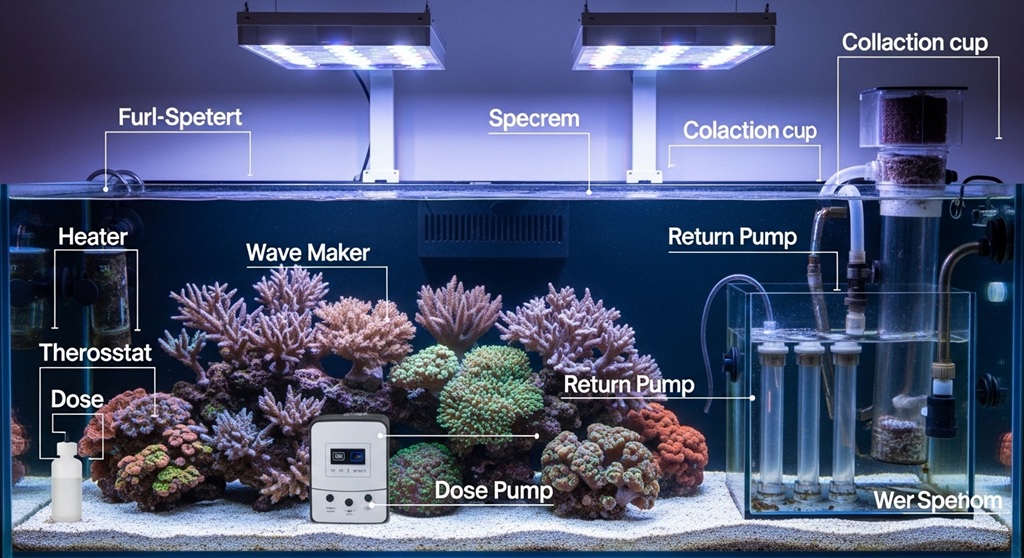
A reef aquarium requires specialized equipment to replicate the conditions of a natural coral reef. The essential reef tank equipment list typically includes lighting, filtration systems, circulation pumps, heaters, protein skimmers, and monitoring tools. Each component helps maintain stable water parameters, support coral growth, and keep marine fish healthy.
Many beginners assume reef tanks are difficult to maintain. The real challenge is not complexity—it is using the right equipment from the beginning.
According to marine aquarium research and industry reports, stable equipment systems are responsible for most long-term reef aquarium success. For example, a study referenced in coral aquaculture case studies shows that consistent lighting and proper water circulation increase coral survival rates by over 60% during the first year of tank setup.
This guide explains the essential reef aquarium equipment you need, how each component works, and how to choose the right setup. Whether you are planning your first saltwater tank or upgrading your current system, understanding lighting, filtration, and pumps will help you build a stable reef environment.
What Is the Complete Reef Tank Equipment List?
A reef aquarium relies on several key components working together. The goal is to mimic natural reef conditions—clean water, stable temperature, proper lighting, and consistent water movement.
Quick Answer: The essential reef tank equipment list includes a tank, reef lighting, filtration system, protein skimmer, return pump, circulation pumps, heater, live rock, substrate, and water testing tools.
| Equipment | Purpose | Why It Matters |
|---|---|---|
| Aquarium Tank | Holds the marine ecosystem | Provides space for fish and corals |
| LED Reef Lighting | Simulates sunlight | Supports coral photosynthesis |
| Filtration System | Removes waste and toxins | Keeps water clean |
| Protein Skimmer | Removes organic waste | Improves water clarity |
| Circulation Pumps | Creates water flow | Prevents dead spots |
| Return Pump | Moves water between sump and tank | Maintains filtration cycle |
| Heater | Maintains stable temperature | Essential for tropical marine species |
| Water Testing Kits | Monitors parameters | Ensures safe conditions |
Each piece of equipment supports a specific biological process. Removing one component can destabilize the entire reef ecosystem.
Why Is Lighting Critical for a Reef Aquarium?
Reef lighting provides the energy corals need to grow through photosynthesis.
Short Answer: Reef aquarium lighting mimics sunlight and allows symbiotic algae (zooxanthellae) inside coral tissue to produce energy.
Corals are not just decorative organisms. They host microscopic algae that convert light into nutrients. Without adequate lighting, corals slowly starve.
Types of Reef Lighting
- LED reef lights
- T5 fluorescent lighting
- Metal halide lighting
Most modern reef aquariums use LED lighting. LED systems are energy efficient, customizable, and generate less heat.
Recommended Lighting Levels
- Soft corals: 50–100 PAR
- LPS corals: 100–200 PAR
- SPS corals: 200–400 PAR
PAR (Photosynthetically Active Radiation) measures how much usable light corals receive. Successful reef tanks maintain stable PAR levels across the aquarium.
Case studies from coral farming facilities show that controlled LED lighting increased coral growth rates by approximately 30% compared with inconsistent lighting systems.
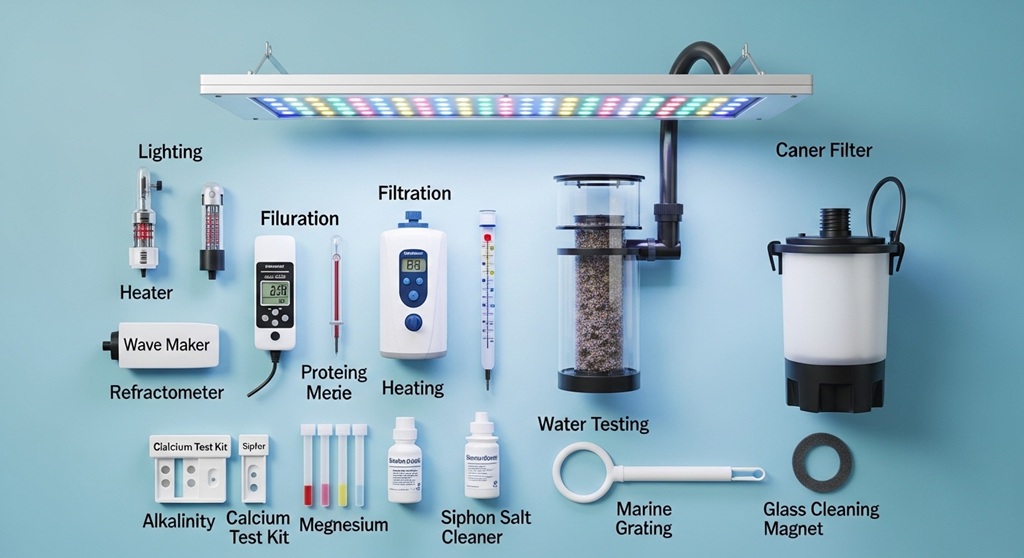
How Does Filtration Work in a Reef Aquarium?
Filtration removes waste, toxins, and excess nutrients from the water.
Quick Answer: Reef tank filtration uses mechanical, biological, and chemical processes to maintain water quality.
Mechanical Filtration
Mechanical filters capture visible particles such as uneaten food and debris.
- Filter socks
- Sponge filters
- Filter pads
Biological Filtration
Biological filtration uses beneficial bacteria to break down toxic ammonia and nitrites.
Live rock plays a major role in this process. Porous rock provides surface area where bacteria colonies grow.
According to marine aquarium monitoring reports, properly established biological filtration can convert over 90% of ammonia waste into less harmful nitrate within stable reef tanks.
Chemical Filtration
Chemical filtration removes dissolved pollutants.
- Activated carbon
- Phosphate removers
- Resin filtration media
These filtration methods help control algae outbreaks and maintain clear water.
What Role Do Protein Skimmers Play in Reef Tanks?
Protein skimmers remove organic waste before it decomposes.
Short Answer: A protein skimmer uses air bubbles to attract and remove dissolved organic compounds from aquarium water.
Organic waste from fish food, coral mucus, and waste products can quickly degrade water quality.
The skimmer creates foam inside a reaction chamber. Waste molecules attach to bubbles and rise into a collection cup.
Removing waste early prevents ammonia spikes and reduces nutrient buildup.
Professional reef aquaculture systems rely heavily on protein skimmers. Studies show skimmers can remove up to 80% of organic compounds before they enter the nitrogen cycle.
Why Are Water Flow and Pumps Important in Reef Aquariums?
Water movement replicates ocean currents and supports coral health.
Quick Answer: Circulation pumps and return pumps keep water moving, distribute oxygen, and transport nutrients across the reef tank.
Types of Pumps
- Return pumps
- Wave makers
- Powerheads
Each pump serves a different purpose.
- Return pumps move water between the sump and display tank.
- Wave makers create natural current patterns.
- Powerheads increase localized water movement.
Healthy coral reefs experience constant water flow. Stagnant water can lead to algae growth and oxygen depletion.
Experienced reef keepers typically aim for a total water flow of 20–40 times the tank volume per hour.
For example, a 100-gallon reef tank often uses circulation pumps delivering 2,000–4,000 gallons per hour.
Do Reef Aquariums Need a Sump System?
A sump is an additional filtration tank placed below the main aquarium.
Short Answer: A sump increases water volume and houses filtration equipment such as protein skimmers, heaters, and reactors.
Benefits of Using a Sump
- Improves filtration efficiency
- Hides equipment
- Increases total water volume
- Provides space for refugiums
Increased water volume helps stabilize parameters like salinity and temperature.
Many experienced aquarists consider sump filtration essential for medium and large reef aquariums.
Why Are Temperature Control and Monitoring Tools Necessary?
Marine species require stable temperature ranges.
Quick Answer: Reef tanks must maintain a temperature between 24°C and 26°C (75–79°F) for optimal coral and fish health.
Essential Monitoring Equipment
- Digital thermometer
- Aquarium heater
- Auto top-off system
- Salinity refractometer
- Water test kits
Monitoring tools allow reef keepers to track key water parameters:
- pH
- Ammonia
- Nitrate
- Phosphate
- Calcium
- Alkalinity
Stable chemistry supports coral skeleton formation and prevents stress in marine fish.
Long-term reef tank data shows that tanks with automated monitoring systems experience fewer crashes compared with manually managed tanks.
What Additional Equipment Helps Improve Reef Tank Stability?
Advanced reef aquariums often use additional equipment to maintain precise water chemistry.
- Auto top-off systems
- Dosing pumps
- Calcium reactors
- Refugium lighting
- UV sterilizers
Dosing systems help maintain calcium, magnesium, and alkalinity levels required for coral growth.
Refugiums cultivate beneficial algae that remove excess nutrients.
UV sterilizers reduce parasites and harmful bacteria in circulating water.
These systems are not mandatory for beginners but become valuable as reef tanks mature.
Conclusion: How Do You Build a Stable Reef Aquarium System?
A successful reef aquarium is not about owning expensive equipment. It is about choosing the right combination of lighting, filtration, and water flow systems.
Lighting supports coral photosynthesis. Filtration removes waste and toxins. Pumps maintain oxygen and nutrient circulation. Together, these components create a stable marine ecosystem.
When planning a reef tank, start with reliable core equipment: quality lighting, strong biological filtration, and proper water movement. From there, you can expand your system with monitoring tools and automation.
If you are starting a reef aquarium, build your equipment list carefully before purchasing livestock. The more stable your environment, the easier coral care becomes.
Ready to build your first reef tank? Start by assembling the essential reef tank equipment list discussed in this guide and focus on stability, consistency, and proper setup.
With the right foundation, your reef aquarium can become a thriving marine ecosystem that lasts for years.
Frequently Asked Questions
What equipment is absolutely necessary for a reef tank?
The essential reef tank equipment includes LED lighting, filtration system, protein skimmer, water circulation pumps, heater, live rock, and water testing kits.
How powerful should reef aquarium lighting be?
Lighting intensity depends on coral type. Soft corals require around 50–100 PAR, while SPS corals often require 200–400 PAR.
Do reef tanks need strong water flow?
Yes. Most reef aquariums require water circulation equal to 20–40 times the tank volume per hour to replicate natural reef currents.
Is a sump required for reef aquariums?
A sump is not mandatory but strongly recommended. It improves filtration, increases water volume, and provides space for equipment.
How often should reef tank equipment be maintained?
Protein skimmers and pumps should be cleaned every 2–4 weeks. Filters and testing equipment should be checked regularly to maintain water quality.
What causes reef tank crashes?
Common causes include unstable water chemistry, poor filtration, inadequate lighting, and sudden temperature fluctuations.
Read More Also: How to Choose the Right Equipment Supplier for Your Business
Find out: How Local SEO Agencies Drive Business Growth