
How to Choose the Best Reef Aquarium Test Kit for Home Use
Maintaining a thriving reef aquarium requires constant attention to water chemistry. Your corals, fish, and invertebrates depend on stable water parameters to survive and flourish. Without regular testing, invisible problems can develop quickly, leading to stressed livestock and potentially devastating tank crashes.
Choosing the right test kit can feel overwhelming with dozens of options available at various price points. Some kits test a single parameter, while others bundle multiple tests together. Understanding what you need to test, how often, and which testing methods work best will help you make an informed decision that fits your budget and experience level.
This guide will walk you through everything you need to know about selecting test kits for your reef aquarium. You’ll learn which parameters matter most, the differences between testing methods, and how to balance accuracy with convenience. By the end, you’ll be confident in choosing equipment that helps you maintain pristine water conditions.
Understanding Why Water Testing Matters
Reef aquariums are complex ecosystems where chemistry plays a crucial role in the health of every organism. Unlike fish-only tanks, reef systems house sensitive corals that react quickly to chemical imbalances. Small changes in alkalinity, calcium, or magnesium can stop coral growth or cause tissue recession.
Additionally, harmful compounds like ammonia and nitrite are toxic even at low concentrations. These substances accumulate from fish waste, uneaten food, and decomposing organic matter. Regular testing allows you to catch problems before they become emergencies.
Therefore, investing in quality test kits is an essential part of responsible home aquarium care that protects your investment and ensures your animals thrive.
Essential Parameters for Reef Aquariums
Not all water parameters require equal attention. Some need daily monitoring, while others can be checked weekly or monthly. Understanding which tests matter most helps you prioritize your purchases.
Alkalinity measures your water’s buffering capacity and directly affects coral calcification. Reef keepers should test alkalinity at least twice weekly, making it one of the most important parameters to monitor. Stable alkalinity prevents pH swings and supports healthy coral growth.
Calcium works alongside alkalinity to build coral skeletons. Corals constantly consume calcium, so levels drop over time without supplementation. Testing calcium weekly helps you maintain proper levels through dosing or water changes.
Magnesium supports both calcium and alkalinity stability. Low magnesium prevents corals from using calcium effectively, even when calcium levels appear adequate. Monthly testing is usually sufficient unless you’re experiencing unexplained alkalinity or calcium fluctuations.
Nitrate and phosphate are nutrients that fuel algae growth. While some nitrate and phosphate are necessary, excessive levels lead to nuisance algae that can smother corals. Weekly testing helps you maintain the low nutrient levels that reef tanks require.
pH indicates water acidity or alkalinity on a scale from 0 to 14. Reef aquariums should maintain pH between 7.8 and 8.4. Daily pH monitoring helps you spot trends, though it’s less critical than alkalinity if you’re testing regularly.
Ammonia and nitrite are toxic compounds that should always read zero in established aquariums. Test daily during cycling and whenever you notice stressed livestock. These parameters require immediate attention if detected.
Types of Test Kit Technologies
Several testing methods exist, each with advantages and disadvantages. Your choice depends on your budget, desired accuracy, and willingness to invest time in testing.
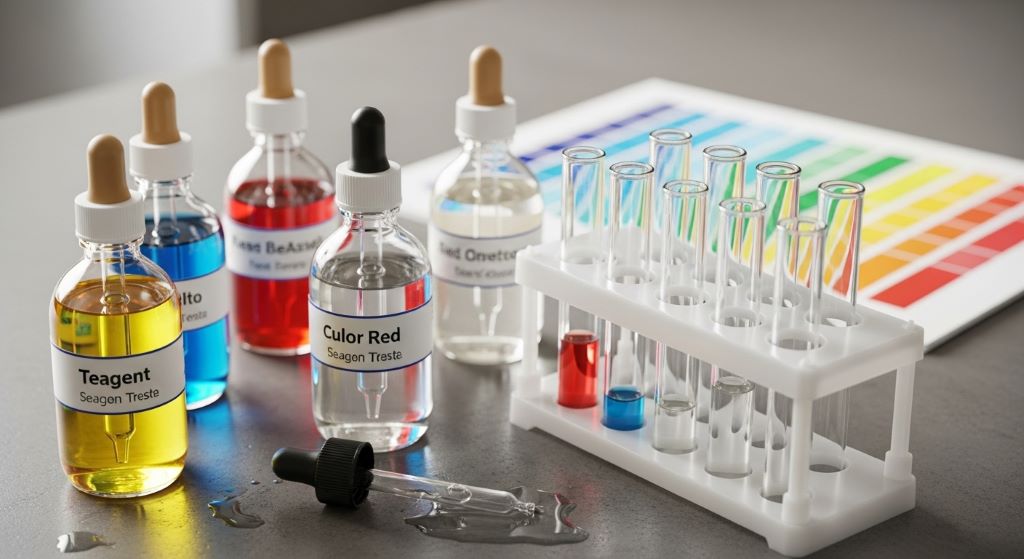
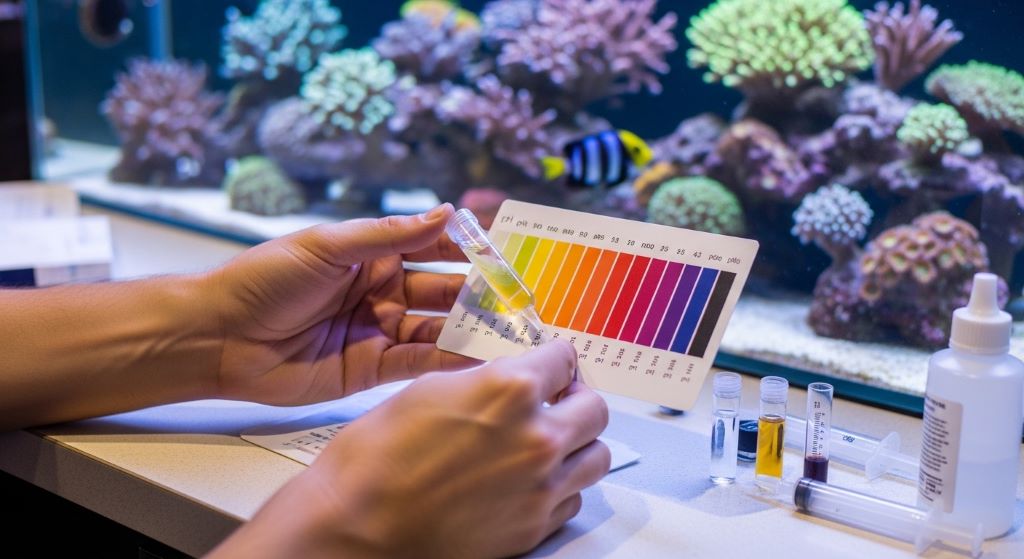
Liquid reagent test kits use chemical reactions to produce color changes. You add drops of reagent to a water sample, then compare the resulting color to a chart. These kits offer good accuracy when fresh and are widely available at reasonable prices. However, results depend on your color perception and interpretation.
Test strips provide quick results by dipping a paper strip into your aquarium water. The strip changes color based on parameter levels, which you compare to a chart. While convenient, test strips generally lack the accuracy needed for serious reef keeping. They work better for quick checks or backup testing.
Titration kits measure parameters by adding reagent drop-by-drop until a color change occurs. You count the drops used, which corresponds to the parameter level. These kits offer excellent accuracy, particularly for alkalinity testing. Many experienced reef keepers prefer titration for critical parameters.
Digital meters provide numerical readings without color interpretation. Handheld meters are available for pH, alkalinity, calcium, and other parameters. They offer convenience and eliminate color-matching guesswork. However, quality meters are expensive and require calibration and maintenance.
Electronic test systems like ICP testing send water samples to laboratories for comprehensive analysis. While not practical for daily testing, ICP tests reveal trace elements and contaminants that standard kits miss. Many reef keepers use ICP quarterly to catch problems that home kits can’t detect.
Accuracy Versus Convenience
The most accurate test isn’t always the best choice if you won’t use it regularly. Finding the right balance between precision and practicality is key to successful water testing tips implementation.
Titration kits deliver excellent accuracy but require more time and attention than color-comparison tests. If complex testing procedures discourage you from testing regularly, simpler methods might serve you better. Consistent testing with a slightly less precise kit beats sporadic testing with perfect accuracy.
Additionally, some parameters demand more precision than others. Alkalinity measurements need to be quite accurate because small changes significantly impact coral health. Conversely, nitrate readings within a general range are often sufficient for management purposes.
Consider your experience level when choosing test kits. Beginners might struggle with titration procedures initially, while experienced hobbyists appreciate the precision. Starting with user-friendly kits and upgrading as your skills develop is a sensible approach.
Brand Reputation and Reliability
Not all test kits are created equal. Some brands consistently deliver accurate results, while others produce questionable readings that can mislead you into making poor decisions.
Research brands before purchasing by reading reviews from other reef keepers. Online forums and social media groups offer honest feedback about which kits work well and which ones to avoid. Pay attention to comments about accuracy, shelf life, and ease of use.
Established aquarium companies with long track records often produce reliable test kits. They invest in research and quality control to maintain their reputations. However, some newer companies also offer excellent products, so don’t dismiss unfamiliar brands without investigation.
Compare results between different kits occasionally to verify accuracy. Testing the same water sample with two different brands reveals whether your results are consistent. Significant discrepancies suggest one kit may be faulty or expired.
Reading and Understanding Results
Obtaining accurate test results requires proper technique and interpretation. Even the best kits produce unreliable data if used incorrectly.
Follow instructions exactly as written. The number of drops, waiting times, and mixing procedures all affect results. Skipping steps or rushing the process leads to inaccurate readings that can mislead your decision-making.
Test at consistent times each day. Parameters like pH fluctuate throughout the day due to photosynthesis and respiration. Testing at the same time creates comparable data that reveals actual trends rather than normal daily variations.
Record your results in a log or app. Written records help you identify patterns over time that single readings might miss. Gradual changes become obvious when you review weeks or months of data together.
Consider lighting conditions when comparing color-based tests. Different light sources affect how you perceive colors. Testing in the same location with consistent lighting improves accuracy and reduces interpretation errors.
Maintenance and Storage of Test Kits
Proper care extends the life of your test kits and maintains their accuracy. Neglected kits produce unreliable results that defeat their purpose.
Store kits in cool, dry locations away from direct sunlight. Heat and humidity degrade reagents, causing them to expire prematurely. Many hobbyists keep test kits in climate-controlled areas rather than near hot aquarium lights or in humid fish rooms.
Check expiration dates before purchasing and regularly once you own kits. Expired reagents produce inaccurate results that can be worse than not testing at all. Replace expired components promptly rather than trying to extend their useful life.
Seal bottles tightly after each use to prevent evaporation and contamination. Loose caps allow reagents to oxidize or become contaminated with airborne particles. A few seconds spent securing caps properly protects your investment.
Clean test tubes and syringes thoroughly between uses. Residual reagent or aquarium water contaminates future tests. Rinse with distilled water and allow equipment to dry completely before storage.
Budget Considerations for Test Kits
Test kits represent an ongoing expense in reef keeping. Understanding costs helps you budget appropriately and choose kits that provide good value.
Individual parameter kits cost less upfront but may be more expensive long-term if you need multiple tests. Bundled kits that test several parameters often provide better value, especially for beginners setting up testing routines.
Factor in replacement costs when evaluating kits. Some expensive kits include enough reagents for hundreds of tests, while cheaper options run out quickly. Calculate the per-test cost rather than just the initial purchase price.
Consider investing more in tests for critical parameters. Spending extra for an accurate alkalinity test kit makes sense given how important this parameter is to coral health. Meanwhile, you might choose a budget option for less critical parameters like nitrate.
However, never sacrifice accuracy for savings on essential tests. Inaccurate results lead to poor decisions that can cost far more in lost livestock than you saved on test kits. Quality testing is an investment in your aquarium’s success.
Building Your Testing Routine
Having the right test kits means nothing if you don’t use them regularly. Establishing a consistent testing schedule helps you catch problems early and maintain stable conditions.
Create a testing schedule based on your aquarium’s needs. New tanks require more frequent testing during the cycling process. Mature tanks with stable parameters can follow less intensive schedules.
Set reminders on your phone or calendar for testing days. It’s easy to forget tests when life gets busy. Automated reminders help you maintain consistency even during hectic periods.
Test before making changes to your aquarium. Baseline measurements help you evaluate whether your actions achieved the desired results. Testing only after problems arise makes it harder to understand what went wrong.
Additionally, test after adding new livestock or making equipment changes. These events can alter water chemistry, and early detection prevents problems from escalating.
Advanced Testing Considerations
As your reef keeping experience grows, you may want to expand your testing capabilities beyond basic parameters. Advanced testing provides insights that help you fine-tune your system.
Trace elements like iodine, strontium, and iron support various biological processes. While not essential for all aquariums, testing these parameters helps optimize coral coloration and growth in advanced systems.
PAR meters measure light intensity rather than water chemistry. Since light directly affects coral health and growth, understanding your lighting conditions complements your water testing program.
ORP meters measure oxidation-reduction potential, which indicates overall water quality. While not a replacement for specific parameter testing, ORP trends can alert you to developing problems.
Regular comprehensive testing through ICP analysis reveals issues that standard test kits miss. Quarterly or semi-annual ICP tests identify accumulating contaminants or depleting trace elements before they cause visible problems.
Common Testing Mistakes to Avoid
Even experienced hobbyists make mistakes that compromise test accuracy. Being aware of common pitfalls helps you obtain reliable results.
Contaminated test vials are a frequent problem. Always rinse test tubes with the water you’re testing before taking your sample. This removes residual tap water or previous reagents that could skew results.
Using old reagents produces unreliable readings. Reagents degrade over time, especially when exposed to air, heat, or light. Mark purchase dates on your kits and replace them according to manufacturer recommendations.
Misreading color charts happens more often than people realize. Different lighting, time of day, and individual color perception all affect how you interpret results. Take readings in consistent lighting conditions.
Shaking bottles insufficiently leads to inaccurate measurements. Many reagents settle or separate during storage. Shake bottles thoroughly before each use to ensure consistent reagent strength.
Conclusion
Selecting the best reef aquarium test kit requires balancing accuracy, convenience, and budget. The most important step is choosing kits you’ll actually use consistently. Regular testing prevents problems and helps you maintain the stable conditions that reef organisms need to thrive.
Focus on essential parameters like alkalinity, calcium, and nutrients first. These core tests provide the foundation for successful home aquarium care. As your experience grows, you can add more specialized testing to fine-tune your system.
Remember that test kits are tools, not guarantees. Proper technique, regular calibration, and consistent testing schedules matter as much as which brand you choose. Combine quality equipment with good water testing tips and diligent record-keeping for the best results.
Investing time and money in proper testing pays dividends through healthy livestock and a thriving reef ecosystem. Your corals will show their appreciation through vibrant colors and steady growth when you provide them with stable, well-monitored water conditions.
Frequently Asked Questions
How often should I test my reef aquarium water?
Testing frequency depends on your tank’s maturity and stability. New tanks require daily testing for ammonia and nitrite during cycling. Established reef tanks should test alkalinity two to three times weekly, calcium and nutrients weekly, and magnesium monthly. Increase testing frequency when adding livestock, changing equipment, or troubleshooting problems. Consistent testing helps you identify trends and maintain stability.
Are digital test meters worth the investment for beginners?
Digital meters offer convenience and eliminate color-matching challenges, but they’re not essential for beginners. Quality liquid test kits provide adequate accuracy for most reef keepers at a fraction of the cost. Consider starting with liquid kits to learn testing fundamentals, then upgrading to digital meters if you find color comparison difficult or want additional precision for critical parameters.
Can expired test kits still give accurate results?
Expired test kits often produce inaccurate results as reagents degrade over time. The extent of inaccuracy varies by parameter and how far past expiration the kit is. Using expired kits risks making incorrect decisions based on false readings. Replace expired kits promptly, and mark purchase dates on new kits to track their age.
What’s the difference between titration and colorimetric testing?
Titration involves adding reagent drop-by-drop until a color change occurs, then counting drops to determine the parameter level. Colorimetric testing adds a set amount of reagent, then matches the resulting color to a chart. Titration generally provides greater accuracy, especially for alkalinity, while colorimetric tests offer quicker results with slightly less precision.
Should I test both my display tank and sump separately?
In most systems, testing either location provides representative results since water circulates between them. However, test both areas if you suspect uneven mixing or have separate dosing zones. Also test different areas when troubleshooting localized problems. For routine monitoring, one consistent testing location is sufficient.
Related Topics:
How to Use an Air Pump in a Planted Aquarium Without Losing CO2
How to Properly Aerate Your Fish Tank for Better Health