
How to Make Your Home Heating More Efficient This Winter

Key Takeaways:
- Sealing drafts and insulating your home can significantly reduce heat loss.
- Upgrading to a programmable thermostat helps maintain consistent temperatures and saves energy.
- Regular maintenance of heating systems ensures optimal performance and efficiency.
- Utilizing natural sunlight and proper window treatments can enhance indoor warmth.
- Being mindful of energy consumption habits contributes to lower heating bills.
Staying warm during the winter shouldn’t have to break the bank. Enhancing the efficiency of your home’s heating can be accomplished with a few effective strategies. By sealing up your home and adopting energy-smart habits, you can enjoy a cozy winter without driving up your utility bills. Many homeowners in regions like Charlotte turn to specialized heating services to address inefficiencies and ensure their systems are at peak performance all season long.
Understanding where your home loses heat and where you can optimize energy usage is a crucial first step. Even small changes like adjusting your thermostat or changing how you use window coverings can make a noticeable difference. Pairing these habits with proper upgrades and regular system checks will help you reduce your winter heating costs and environmental footprint.
For in-depth guidance and tailored solutions, seeking help from a qualified heating contractor can make all the difference, especially when considering upgrades or larger projects.
Seal Drafts and Insulate Your Home
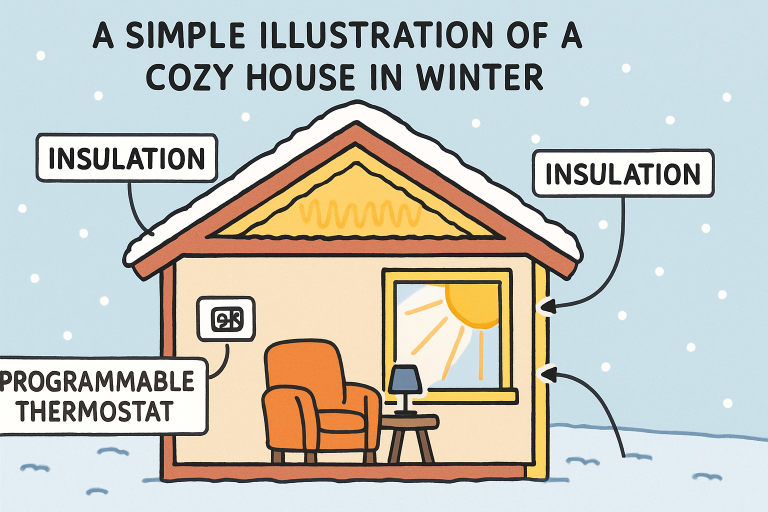
Drafts are one of the leading culprits of energy loss in winter. Cold air sneaking in around doors, windows, and other gaps can force your heating system to work overtime. Addressing these leaks with weatherstripping, caulking, and door sweeps can drastically improve your home’s ability to retain warmth. Insulation is equally critical: attics, unfinished basements, walls, and crawl spaces are all key areas where heat can escape. Properly insulating these spaces can save homeowners up to 20% on heating and cooling costs, according to the U.S. Department of Energy.
Upgrade to a Programmable Thermostat
Programmable thermostats make it easy to manage your home’s comfort and heating expenses. By setting your thermostat to lower temperatures during times when you’re not home or while you sleep, you save energy without sacrificing warmth when you need it most. The New York Times highlights that smart models can automate temperature controls and provide insights to optimize usage further, resulting in meaningful savings over the winter.
Maintain Your Heating System
Routine upkeep is essential for keeping your heating system running efficiently. Change or clean your filters every month during periods of heavy use; dirty filters restrict air flow and make your system work harder than necessary. Annual professional inspections can uncover issues before they impact efficiency or safety, helping your system to last longer and work better in the coldest months.
Utilize Natural Sunlight
Maximize the free heat from the sun by keeping curtains and blinds open on south-facing windows during the day. Close them at night to retain warmth and create a barrier against the cold. Thermal curtains or heavy drapes add another layer of insulation and can reduce heat loss through windows by up to 10%, according to Consumer Reports.
Adopt Energy-Efficient Habits
Your daily behavior has a big impact on heating costs. Wear comfortable layers indoors and set your thermostat a few degrees lower to save on energy without sacrificing comfort. Use ceiling fans in reverse (clockwise) mode to circulate warm air down from the ceiling. Avoid running exhaust fans in kitchens and bathrooms longer than necessary, as they can expel valuable warm air outside.
Consider Energy-Efficient Appliances
If your heating system is aging or frequently needs repairs, upgrading to energy-efficient appliances, such as ENERGY STAR-certified furnaces or heat pumps, can significantly reduce energy consumption. These systems are designed to use less energy for the same amount of heat, resulting in lower utility bills and potential eligibility for tax credits. Evaluating your options now can yield significant savings in future winters.
Monitor Your Energy Usage
Tracking your energy consumption helps you understand patterns and pinpoint where unnecessary energy is being used. Many utilities provide free online tools or mobile apps to make monitoring easy. Reviewing your bills can also uncover irregularities or spikes that may point to inefficiencies in your system or habits that need adjustment.
Seek Professional Advice
For the most comprehensive and customized recommendations, consider getting an energy audit. A professional can assess every aspect of your home, from insulation to appliance performance, and suggest targeted upgrades that offer the best return on investment. Many companies, as well as local utilities, offer free or discounted assessments to help you get started.
Conclusion
Lowering your heating bills doesn’t require major renovations; it just requires thoughtful upgrades, preventive care, and smart daily habits. By sealing drafts, optimizing thermostat use, and maintaining your heating system, you can keep your home comfortable while reducing unnecessary energy waste. Simple lifestyle adjustments, such as using natural sunlight and managing window treatments, also add up to noticeable savings over time.
For homeowners who want to maximize efficiency, investing in modern heating equipment and partnering with a trusted heating service in Charlotte can ensure your system performs at its best. With the right combination of DIY improvements and professional guidance, you’ll enjoy a warmer, more energy-efficient home all winter long without the stress of rising utility costs.