
Leather vs Fabric Couch for Dogs: Which Is Better?
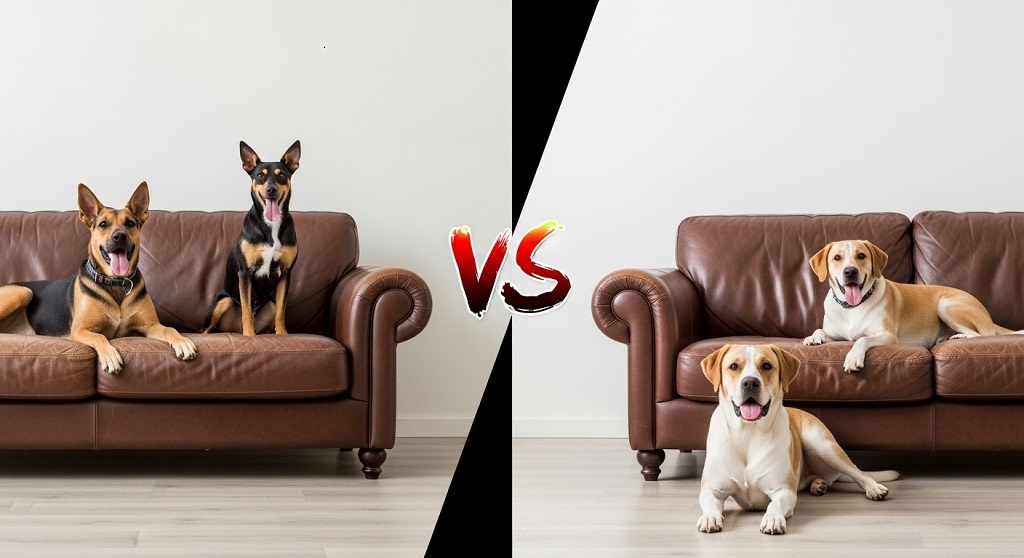
Leather is easier to clean and resists odors, while fabric—especially microfiber—handles scratches better and offers more grip. The best choice depends on your dog’s size, shedding level, and behavior.
You love your dog. But you also love your couch. And when those two worlds collide—muddy paws, shedding fur, and dog claws damage—you need a smart decision.
According to the American Pet Products Association (APPA), over 65% of U.S. households own pets. That means millions of homes deal with scratched cushions, trapped odors, and worn upholstery. Choosing between leather and fabric is not about style. It’s about durability, maintenance, and long-term cost.
This guide breaks down microfiber vs leather sofa performance, scratch resistance, odor control, and real-world maintenance. You’ll get facts, case-based insights, and practical advice—without fluff.
Is Leather a Good Couch Material for Dogs?
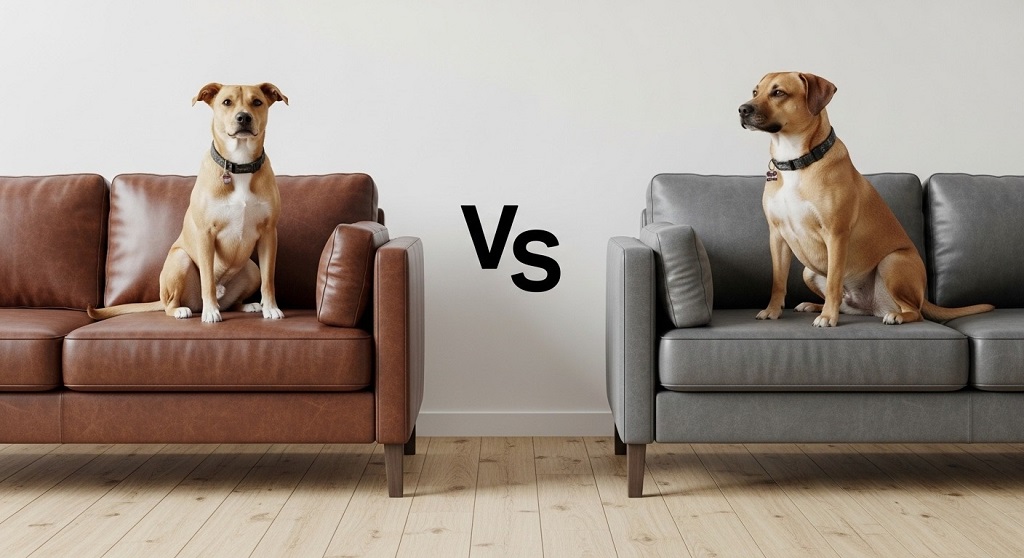
Short answer: Yes, leather is good for dogs if properly maintained. It resists stains and odors but can show scratches from dog claws.
Problem
Dog owners often worry about shedding, accidents, and smells. Fabric absorbs liquids. Fur gets embedded. Odors linger.
Agitation
Repeated washing weakens upholstery. Professional cleaning costs add up. And if moisture reaches the inner padding, mold can develop.
Solution
Leather creates a non-porous barrier. Liquids stay on the surface. Fur wipes away with a cloth. That’s why many pet owners choose it.
How Leather Performs in Real Homes
- Easy cleaning: Wipe with a damp cloth.
- Odor resistance: Does not trap smells like fabric.
- Hair removal: Fur doesn’t embed.
- Longevity: High-quality leather can last 10–20 years.
But here’s the trade-off: Dog claws damage is visible on leather. Even small surface scratches show, especially on smooth finishes.
Case Insight
A 2023 furniture retailer report comparing warranty claims found that leather sofas had fewer stain-related complaints but higher reports of visible scratch marks compared to microfiber upholstery.
Verdict: Leather works well for calm dogs with trimmed nails. Less ideal for hyperactive jumpers.
Is Fabric Couch Better for Dogs?
Short answer: Fabric—especially tightly woven microfiber—handles claw pressure better but absorbs odors and stains more easily.
Problem
Leather scratches. Owners worry about visible damage.
Agitation
Once scratched, leather needs conditioning or repair kits. Deep gouges are permanent.
Solution
Microfiber fabric diffuses claw pressure. Instead of leaving sharp lines, claws slide across the weave.
Microfiber vs Leather Sofa Comparison
| Feature | Leather Sofa | Microfiber Sofa |
|---|---|---|
| Scratch Visibility | High | Low to Moderate |
| Stain Resistance | High | Moderate |
| Odor Retention | Low | High |
| Cleaning Ease | Very Easy | Requires Vacuum & Spot Clean |
| Grip for Dogs | Slippery | Better Traction |
Microfiber is tightly woven polyester. Its structure makes it harder for claws to puncture. It’s also budget-friendly.
However, fabric absorbs pet dander, moisture, and oils. Regular vacuuming becomes mandatory.
Verdict: Good for energetic dogs. Requires more cleaning effort.
Do Dog Claws Damage Leather More Than Fabric?
Short answer: Yes. Dog claws damage leather more visibly, but fabric may suffer internal wear over time.
Why Leather Shows Damage Faster
Leather is a stretched hide. When a claw drags across it, it disrupts the surface finish. Even light scratches are visible.
Why Fabric Wears Differently
Fabric fibers distribute pressure. Instead of surface scratches, you may see pilling or thinning over time.
Preventing Dog Claws Damage
- Trim nails every 2–3 weeks.
- Use couch covers.
- Train dogs not to jump repeatedly.
- Apply leather conditioner quarterly.
Maintenance reduces damage in both materials. Neglect accelerates wear.
Which Couch Is Easier to Clean With Dogs?
Short answer: Leather is easier for daily cleaning. Fabric needs deeper maintenance.
Leather Cleaning Routine
- Wipe spills immediately.
- Use pH-balanced cleaner monthly.
- Condition every 3–6 months.
Fabric Cleaning Routine
- Vacuum 2–3 times per week.
- Spot clean stains immediately.
- Steam clean twice per year.
In households with multiple dogs, time investment matters. Leather reduces weekly cleaning time significantly.
Which Couch Is More Comfortable for Dogs?
Short answer: Fabric feels warmer and offers better grip. Leather feels cooler and can be slippery.
Dogs often slide on leather surfaces. Large breeds may struggle to stabilize when jumping.
Fabric provides traction. Senior dogs benefit from non-slip surfaces.
If comfort is your priority, microfiber often wins.Which Is More Durable Long-Term?
Short answer: High-quality leather lasts longer overall, but only with maintenance.
Full-grain leather can last 15+ years. Cheap bonded leather may peel within 3–5 years.
Microfiber typically lasts 5–10 years, depending on usage.
The durability equation:
- High-quality leather + proper care = long lifespan
- Low-grade leather + active dogs = fast wear
- Microfiber + routine cleaning = steady durability
Quality matters more than material alone.
What About Allergies and Pet Dander?
Short answer: Leather is better for allergy control because it doesn’t trap dander.
Fabric fibers hold pet hair and dust mites. Even with vacuuming, microscopic particles remain.
Leather allows quick removal. This is helpful for households with asthma or allergies.
Which Is More Cost-Effective for Dog Owners?
Short answer: Fabric costs less upfront. Leather may cost less long-term if maintained.
Average pricing comparison:
- Mid-range microfiber sofa: $600–$1,200
- Mid-range genuine leather sofa: $1,200–$3,000
But replacement frequency matters. A cheap sofa replaced twice costs more than a durable one maintained properly.
Final Verdict: Leather vs Fabric Couch for Dogs
dog sheds heavily or has accidents: Choose leather.
dog scratches or jumps often: Choose microfiber fabric.
want low maintenance: Leather.
If you want comfort and budget value: Microfiber.
Conclusion: Which Couch Should You Choose?
Choosing between leather and fabric is not about trends. It’s about lifestyle.
Leather wins for easy cleaning, odor control, and allergy reduction. It requires nail maintenance and conditioning. Microfiber wins for scratch resistance and traction but demands regular vacuuming and stain management.
Think about your dog’s behavior. Large breed? Senior? Heavy shedder? Active jumper?
Your couch should match your reality—not a showroom display.
Ready to protect your furniture? Assess your dog’s habits today. Invest in the right material. Add protective covers. And commit to routine care. A smart choice now prevents expensive replacements later.
Frequently Asked Questions (FAQs)
1. Does microfiber resist dog claws better than leather?
Yes. Microfiber distributes claw pressure and hides scratches better than smooth leather surfaces.
2. Can dog urine damage leather couches?
Yes, if not cleaned quickly. Urine can discolor leather and cause odor if absorbed into seams.
3. Is bonded leather good for dog owners?
No. Bonded leather peels and scratches easily. Full-grain or top-grain leather performs better.
4. How do I protect a leather sofa from dog claws damage?
Trim nails regularly, apply conditioner, use throws or covers, and train dogs to avoid jumping.
5. Which sofa material holds less pet hair?
Leather holds less visible pet hair. Fabric traps fur within fibers.
6. Are removable fabric covers better for dogs?
Yes. Machine-washable covers simplify cleaning and reduce odor buildup.
7. What is the most pet-friendly couch material overall?
High-quality microfiber or protected top-grain leather are the most practical options for dog owners.
Related Topics: How to Use an Air Pump in a Planted Aquarium Without Losing CO2
What Next: How to Choose the Right Size Skate Pads for Maximum Protection?