
XBEN Outdoor Climbing Rope Review: Durable Static Rope for Rescue and Safety
Introduction: Why the Right Rope Matters
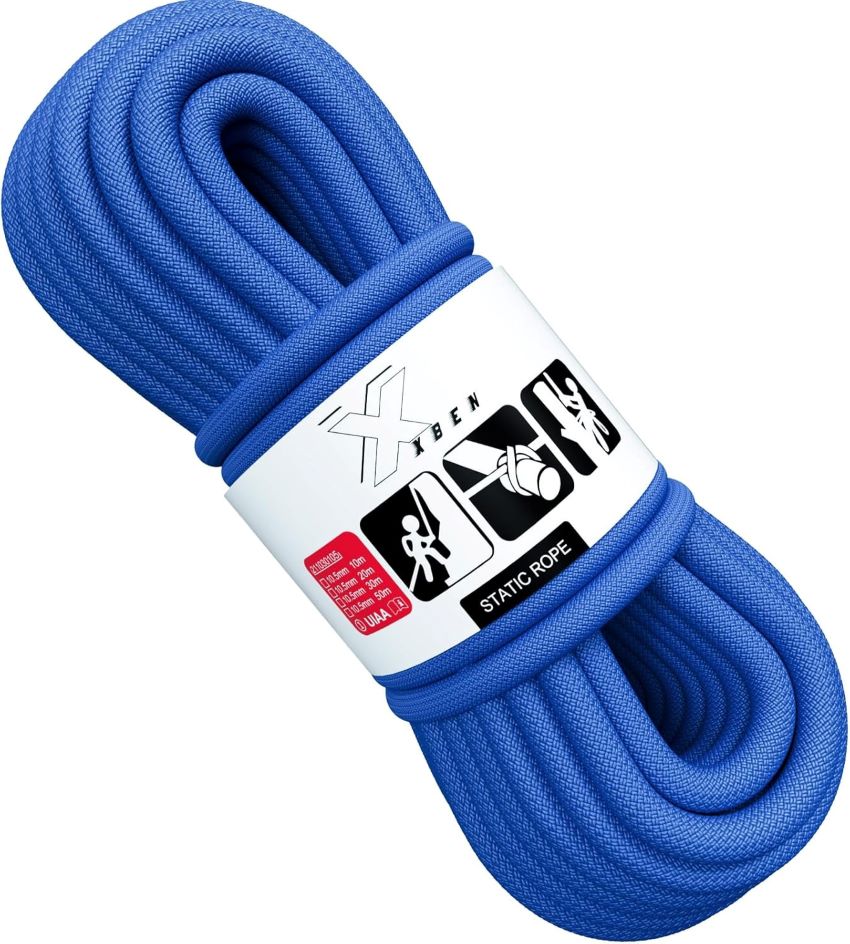
When it comes to climbing, rescue operations, or outdoor safety, your rope is more than just gear—it’s your lifeline. A reliable rope can mean the difference between a secure climb and a dangerous situation. That’s why outdoor enthusiasts, rescue professionals, and adventurers alike are turning to the XBEN Outdoor Climbing Rope. Built with durability, strength, and safety in mind, this static rope is designed to handle demanding conditions while giving you peace of mind.
Whether you’re scaling rugged terrain, setting up a rescue system, or simply preparing for emergencies, choosing the right rope is critical. Let’s dive into what makes the XBEN rope stand out and why it’s quickly becoming a trusted choice for climbers and rescue teams.
XBEN Outdoor Climbing Rope: Built for Safety and Performance
The XBEN Outdoor Climbing Rope is engineered as a static rope, meaning it has minimal stretch compared to dynamic ropes. This makes it ideal for rescue operations, rappelling, and situations where controlled movement is essential. Unlike ropes designed for sport climbing, static ropes provide stability and reduce bounce, ensuring safer handling during critical tasks.
You can explore more details and purchase the rope directly from XBEN Outdoor Climbing Rope to see why it’s trusted by outdoor professionals.
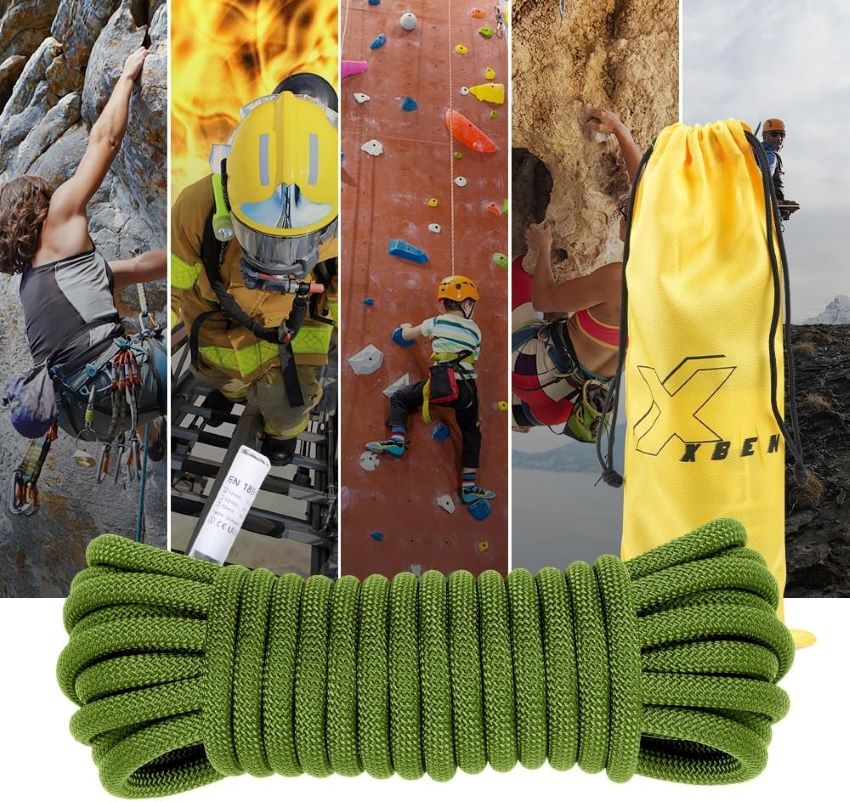
Image Source
Key Features That Set It Apart
Here’s what makes this rope a standout choice among outdoor and rescue gear:
- Durable Construction: Made from high-strength polyester, the rope resists wear and tear even in rugged environments.
- Static Design: Minimal stretch ensures stability during rappelling, rescue, and hauling operations.
- Versatile Length Options: Available in multiple sizes, making it suitable for climbing, caving, and emergency use.
- Safety First: The rope’s design prioritizes controlled movement, reducing risks during rescue missions.
- Weather Resistance: Built to withstand outdoor conditions, including moisture and abrasion.
Why Choose Static Rope for Rescue Gear?
Static ropes like the XBEN are specifically designed for scenarios where precision and safety are paramount. For example:
- Rescue Operations: When lowering or hauling individuals, a static rope ensures stability without sudden jerks.
- Caving and Rappelling: The rope’s minimal stretch provides better control in vertical environments.
- Emergency Preparedness: As part of your rescue gear, having a dependable static rope can be lifesaving.
Therefore, if your focus is on safety and reliability rather than dynamic climbing maneuvers, the XBEN rope is an excellent choice.
Performance in Real-World Conditions
Outdoor enthusiasts often face unpredictable environments. However, the XBEN rope has proven itself in multiple scenarios:
- Mountain Terrain: Its abrasion resistance makes it dependable on rocky surfaces.
- Wet Conditions: The rope maintains strength even when exposed to moisture.
- Heavy Loads: With its static design, it can handle hauling equipment or assisting in rescue missions.
Additionally, users appreciate its balance between flexibility and firmness, making it easy to knot yet strong enough to hold under pressure.
Comparing XBEN Rope to Other Options
When compared to generic ropes, the XBEN stands out for its specialized design. Many ropes may suffice for casual use, but when safety is non-negotiable, investing in a rope built for rescue gear is essential.
- Generic Ropes: Often lack abrasion resistance and may stretch under load.
- XBEN Rope: Offers controlled performance, durability, and reliability in critical situations.
Therefore, professionals and serious outdoor adventurers prefer the XBEN rope for peace of mind.
Popular Use Cases
The versatility of the XBEN rope makes it suitable for a wide range of applications:
- Climbing and Rappelling
- Caving Expeditions
- Rescue Missions
- Emergency Preparedness Kits
- Outdoor Utility Work
This adaptability ensures that whether you’re an adventurer or a professional, the rope fits seamlessly into your gear setup.

Image Source
Safety Tips for Using Static Rope
Even with a high-quality rope, proper usage is key to safety. Here are some quick reminders:
- Always inspect your rope before use for frays or damage.
- Store in a dry, cool place to prevent wear from moisture.
- Use appropriate knots designed for static ropes.
- Pair with certified gear such as harnesses and carabiners.
- Retire ropes after heavy use or visible damage.
By following these tips, you maximize the lifespan and safety of your rope.
FAQs About XBEN Outdoor Climbing Rope
1. Is the XBEN Outdoor Climbing Rope suitable for beginners?
Yes, its static design makes it easy to handle, especially for rappelling and rescue training.
2. Can this rope be used for dynamic climbing?
No, it’s not designed for sport climbing where stretch is needed. It’s best for rescue gear and controlled activities.
3. How do I choose the right length?
Consider your activity. Shorter lengths work for utility tasks, while longer ropes are better for climbing or rescue.
4. Is the rope resistant to water and abrasion?
Yes, the polyester construction ensures durability in wet and rugged environments.
5. How often should I replace the rope?
It depends on usage. Regular inspection is key, but ropes should be retired after heavy wear or visible damage.
Conclusion: Secure Your Safety with XBEN
In outdoor adventures and rescue operations, safety is non-negotiable. The XBEN Outdoor Climbing Rope delivers durability, reliability, and performance when you need it most. Its static design ensures controlled handling, making it an essential piece of rescue gear for professionals and enthusiasts alike. Read More: Heavy-Duty Utility Rope for Work and Recreation: What Makes GLFCAI Stand Out
If you’re serious about safety and preparedness, don’t settle for less. Equip yourself with the XBEN rope today and climb, rappel, or rescue with confidence.
Call to Action: Ready to upgrade your gear? Visit XBEN Outdoor Climbing Rope now and secure the rope that puts safety first.
Featured Image Source