
Smart Ways to Boost Home Comfort and Efficiency with Insulation
Key Takeaways
- Proper insulation significantly improves home comfort and reduces energy bills.
- Sealing air leaks complements insulation efforts, enhancing overall efficiency.
- Upgrading to energy-efficient windows and doors further boosts insulation effectiveness.
- Regular maintenance of HVAC systems ensures optimal performance.
Improving home comfort and energy efficiency is a goal for many homeowners. With rising energy costs and the need for a cozy living space, small yet strategic adjustments make a measurable difference. Effective Home Insulation is at the heart of these improvements, providing a solution that enhances comfort and helps reduce utility bills.
Finding the right insulation approach requires assessing existing structures and understanding modern insulation options. Well-planned insulation not only creates a more regulated environment but also supports environmental sustainability. Careful upgrades reduce energy waste and offer a solid return on investment, all while contributing to a quieter, healthier household.
As you evaluate ways to maximize home efficiency, consider factors like air leaks, window quality, and attic insulation. Forming a comprehensive strategy will set a strong foundation for long-term benefits, supporting your efforts to create a home that is efficient, comfortable, and cost-effective.
For those seeking expert guidance on selecting suitable materials and methods, reputable Insulation Companies can be invaluable partners in the process, helping ensure every step meets high standards of performance and safety.
Regular reviews and occasional upgrades to your home’s insulation systems keep energy loss in check and improve year-round comfort. Homeowners who invest in these improvements experience better indoor air quality, savings on energy bills, and increased property value.
Assess Your Current Insulation
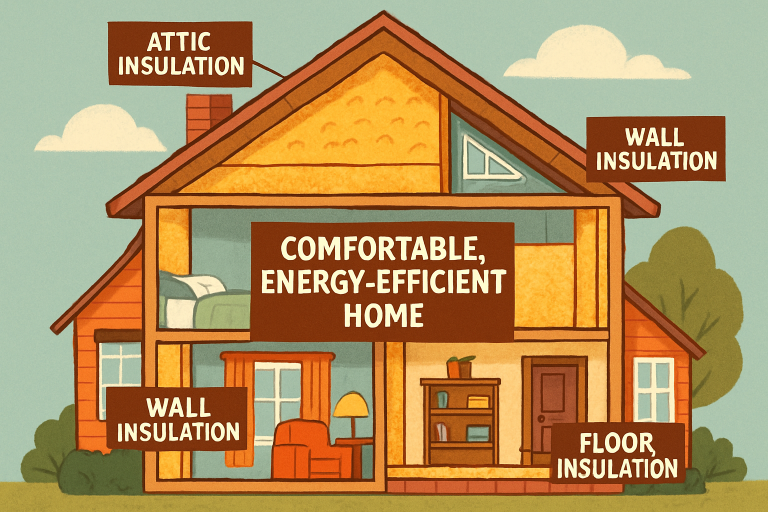
Take an initial walk-through of your home, focusing on the attic, exterior walls, and the flooring between conditioned and unconditioned spaces. Inadequate or deteriorated insulation can allow heat and cool air to escape, making your HVAC systems less efficient. If you notice drafty spots or uneven temperatures in your home, it’s a clear sign your insulation needs to be evaluated. The United States Department of Energy offers a comprehensive guide on conducting basic home energy assessments for interested homeowners.
Seal Air Leaks
Even with modern insulation, uncontrolled air movement reduces your home’s comfort and efficiency. Look around windows, doors, plumbing cutouts, and electrical outlets for gaps. These small leaks become pathways for unconditioned air, increasing the demand on your heating or cooling system. Applying caulk or weatherstripping is an effective and budget-friendly solution. According to the New York State Energy Research and Development Authority, sealing air leaks can quickly improve a home’s energy efficiency.
Upgrade Windows and Doors
Old or single-pane windows and doors often account for significant heat loss or gain. Replacing them with double or triple-pane, energy-rated models reduces this transfer. Select windows with low-emissivity (Low-E) coatings, which help reflect heat while allowing light through, to further enhance comfort. The investment improves both home value and indoor comfort. The U.S. Department of Energy outlines the benefits and types of energy-efficient windows and doors for homeowners who want additional guidance.
Enhance Attic Insulation
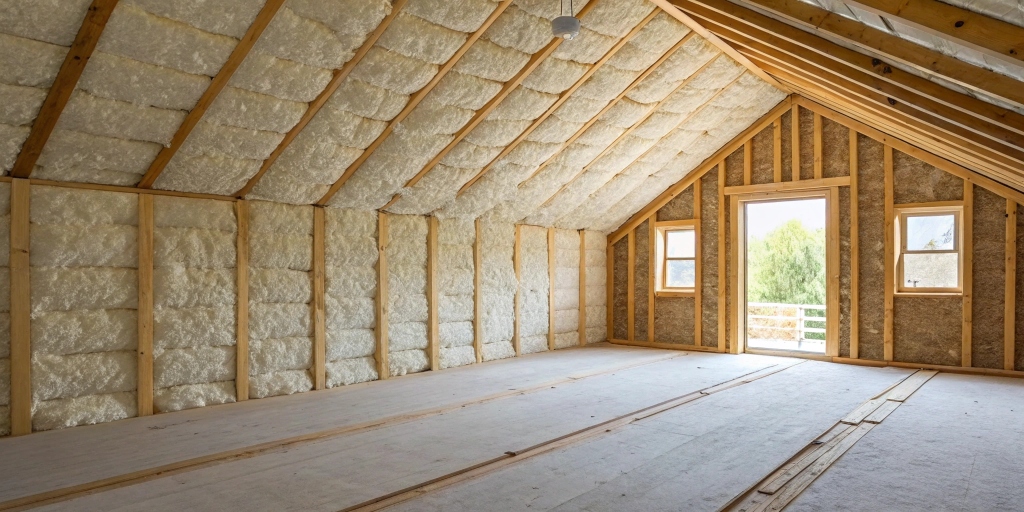
The attic is a primary source of winter heat loss and summer heat gain. Adding or upgrading insulation in this space is one of the most effective ways to maintain comfortable indoor temperatures. Materials such as blown-in cellulose, fiberglass batts, or spray foam work well, depending on your specific needs and local climate. Be sure to check the attic ventilation as well, since proper airflow helps regulate temperature and prevent moisture problems.
Insulate Walls and Floors
Addressing wall and floor insulation ensures that conditioned air stays where you want it. Retrofits may include dense-pack cellulose or spray foam insulation for wall cavities, while basements and crawlspaces benefit from rigid foam board or spray foam applied to the rim joist and floors. These improvements can lead to fewer drafts, more stable temperatures, and a quieter home overall.
Maintain HVAC Systems
Even the best insulation will not overcome inefficient HVAC equipment. Regularly cleaning or replacing air filters, inspecting ductwork for breaches, and scheduling professional tune-ups are essential tasks. Dirty filters and leaky ducts force the system to work harder, increasing both energy use and costs. Keeping up with this maintenance will ensure your home heating and cooling systems operate at their intended efficiency.
Install Smart Thermostats
Technology that adds convenience also provides greater control over energy use. Smart thermostats learn your preferences and routines, adjusting temperatures automatically for savings and comfort. Many models allow remote management and deliver usage data, making it easier to monitor and fine-tune your settings. According to Forbes, smart thermostats can help lower utility costs by up to 8 percent while keeping your living spaces comfortable.
Consider Renewable Energy Sources
Expanding your home’s energy efficiency further can be accomplished by integrating renewable energy solutions, such as residential solar panel systems. While the initial investment is greater, long-term savings and energy self-sufficiency provide clear advantages. These systems can work in tandem with high-performance insulation, maximizing both comfort and cost-effectiveness for years to come.
By targeting these key areas for insulation improvements and efficiency upgrades, you can enjoy a comfortable, healthy, and energy-efficient home. Small measures, when properly implemented, make a noticeable difference in overall living quality and operational savings, while keeping your home environment stable and welcoming through every season.