
Why Cornbread Falls Apart: A GA Fix Guide
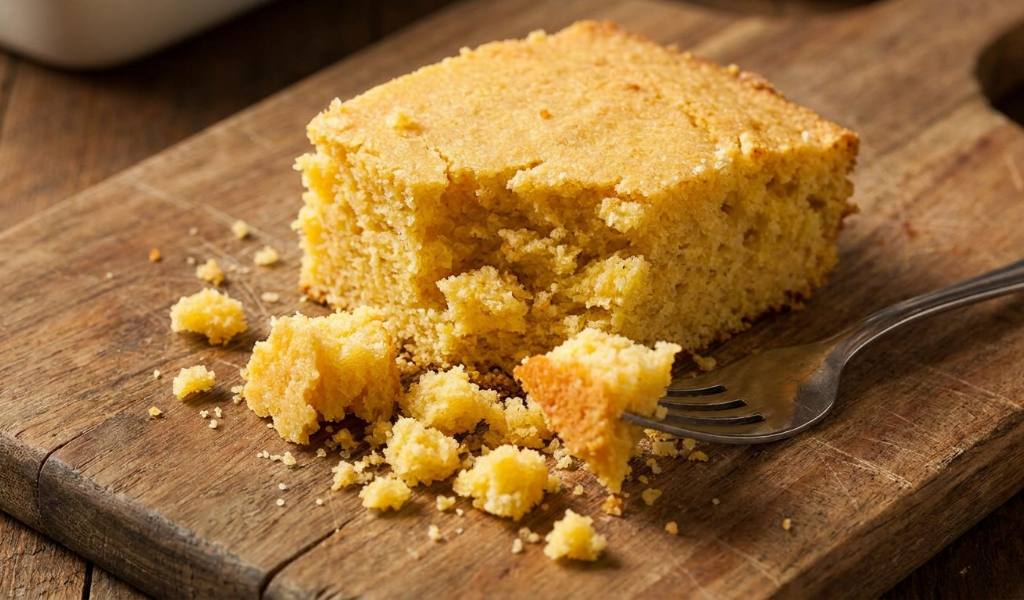
Cornbread usually falls apart because the batter lacks enough moisture, structure, or binding. In Georgia kitchens, humidity can also change how cornmeal absorbs liquid during baking. A reliable fluffy cornbread recipe starts with balanced ratios and proper mixing. Most home batches bake between 20 and 30 minutes, while an 8 inch pan gives the batter enough depth for a tender center.
Key Takeaways
- Use enough liquid to hydrate the cornmeal before baking.
- Add eggs when you need stronger binding and a softer crumb.
- Avoid excessive cornmeal because it can create a dry, fragile texture.
- Let the batter rest briefly when using coarse or stone ground meal.
- Preheat the pan when you want firmer edges and better structure.
- Cool the cornbread before cutting to prevent crumbling.
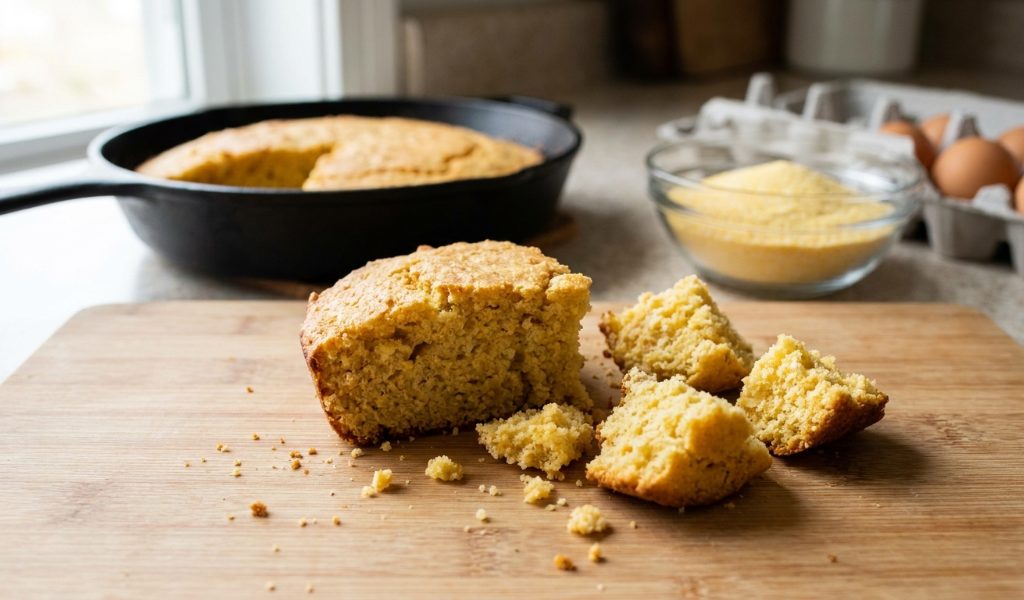
Why Cornbread Falls Apart So Easily
Cornbread naturally has less gluten structure than wheat based breads. Therefore, the recipe must create strength through eggs, moisture, starch, and proper baking. When those elements fall out of balance, the crumb breaks instead of holding together. You may notice dry edges, loose centers, or slices that crumble immediately.
Many Georgia cooks use stone ground cornmeal for deeper flavor and texture. However, coarse meal can absorb liquid differently from finely milled meal. That difference matters when you follow a recipe designed for another cornmeal type. Consequently, you may need slightly more liquid or a short resting period.
Another common problem comes from measuring cornmeal by volume. A packed cup contains more meal than a loosely filled cup. As a result, the batter can become much drier than the recipe intended. Spoon the meal into your measuring cup and level the surface.
For better consistency, review your right cooking utensils before mixing. A reliable measuring cup and sturdy mixing bowl improve accuracy. More importantly, use the same measuring method every time. Consistency helps you identify the real cause when a batch fails.
How Moisture Controls Cornbread Structure
Moisture gives cornmeal time to soften and swell during baking. Without enough liquid, individual particles remain dry and separate easily. The finished bread then breaks apart when you lift or slice it. Therefore, dry batter often signals a moisture problem rather than a baking problem.
Buttermilk works especially well because its acidity complements baking soda. It also adds moisture without making the batter taste flat. Whole milk can work too, although it produces a slightly different crumb. Yogurt or sour cream can provide extra tenderness when used carefully.
Watch the batter rather than following liquid measurements blindly. It should flow slowly from a spoon without looking watery. If the mixture looks stiff and grainy, add liquid gradually. Then allow the batter to sit briefly before making another adjustment.
Georgia weather can add another variable because humidity changes ingredient behavior. During damp conditions, cornmeal may already contain slightly more environmental moisture. During dry weather, the same measured quantity may need more hydration. Small adjustments can therefore improve consistency across different baking days.
Signs Your Batter Needs More Liquid
- The mixture looks unusually thick before baking.
- Cornmeal remains visibly dry after mixing.
- The baked center feels sandy rather than tender.
- Slices crumble even after complete cooling.
- The surface cracks deeply before the center finishes baking.
How Eggs, Flour, and Fat Keep Slices Together
Eggs provide proteins that set during baking and help bind the crumb. They also add moisture and richness to the finished cornbread. If your recipe contains no eggs, other ingredients must provide enough structure. Otherwise, the bread may taste tender but remain difficult to slice.
A small amount of wheat flour can also strengthen traditional cornbread. Flour supplies gluten proteins that create additional structure around the cornmeal. However, too much flour changes the bread into something closer to a corn flavored quick bread. Keep the balance appropriate for the texture you want.
Fat also matters because butter, oil, or shortening affects tenderness and moisture retention. Butter adds flavor, while oil usually keeps the crumb softer after cooling. Too little fat can make the bread feel dry and fragile. Too much can weaken the internal structure and create a greasy crumb.
For a richer breakfast table, pair properly structured cornbread with other dishes. Ideas from romantic breakfast ideas can inspire balanced combinations. Eggs, fruit, savory proteins, and warm cornbread can create a satisfying spread. The key involves matching textures rather than adding more richness everywhere.
Simple Structure Formula
- Cornmeal: Creates the signature flavor and crumb.
- Liquid: Softens the meal and prevents excessive dryness.
- Eggs: Add binding power and tenderness.
- Flour: Adds extra structure when the recipe includes it.
- Fat: Improves tenderness and moisture retention.
- Leavening: Creates lift without replacing structural ingredients.
How Mixing Can Make Cornbread Fall Apart
Mixing affects cornbread more than many home bakers realize. Overmixing can develop excess gluten when wheat flour enters the recipe. Undermixing can leave dry pockets that never hydrate properly. Therefore, aim for a uniform batter without prolonged stirring.
Start by combining the dry ingredients evenly. Then whisk the wet ingredients separately until they look consistent. Pour the wet mixture into the dry mixture and fold gently. Stop once no large dry pockets remain.
Do not chase a perfectly smooth batter. Small lumps often disappear during baking without causing structural problems. Excessive stirring can make the finished texture heavier. A gentle hand usually produces a more tender result.
Better Mixing Sequence
- Measure cornmeal and flour accurately.
- Add salt and leavening agents evenly.
- Whisk eggs, milk, buttermilk, and fat separately.
- Combine wet and dry ingredients gently.
- Stop mixing once the dry ingredients disappear.
- Rest coarse meal briefly when needed.
How Baking Temperature Affects Crumbling
A properly heated oven helps the batter set before excessive moisture escapes. If the oven runs cool, the center may remain weak for too long. If it runs too hot, the crust can harden before the interior sets. Both situations can produce slices that break apart.
Always preheat the oven fully before placing cornbread inside. An oven thermometer can reveal temperature errors that the control panel cannot show. Even a modest temperature difference can change baking time and moisture loss. Therefore, verify your oven when repeated batches fail.
A preheated cast iron skillet can create a firmer bottom and crisp edges. Pouring batter into hot fat also encourages quick surface setting. However, handle the skillet carefully because it retains heat for a long time. Use appropriate protection when moving it from the oven.
Do not judge doneness only by surface color. Insert a toothpick into the center and check for wet batter. A few moist crumbs usually indicate better texture than a completely dry tester. Overbaking can remove the moisture that keeps each slice intact.
Why Cooling Matters Before You Cut Cornbread
Freshly baked cornbread remains delicate while its internal structure finishes setting. Cutting immediately can tear that structure apart. Therefore, give the loaf several minutes to cool before slicing. This simple step can make a surprisingly large difference.
Cooling also allows moisture to redistribute throughout the crumb. The center becomes firmer while the crust remains pleasantly crisp. If you slice too early, steam escapes rapidly from the cut surface. That loss can leave the interior drier and more fragile.
Use a sharp serrated knife when possible. Saw gently instead of pressing downward through the loaf. Excess pressure can compress the center before the blade finishes the cut. Clean slices usually come from gentle movement rather than force.
How to Fix Cornbread That Already Falls Apart
If the finished cornbread crumbles, first identify the texture before changing your recipe. Dry and sandy crumbs usually indicate insufficient moisture or excessive cornmeal. Soft but weak slices often need stronger binding. Dense slices may point toward mixing or leavening problems.
For your next batch, change only one major variable at a time. Add a small amount of liquid if the crumb feels dry. Add an egg if the recipe lacks enough binding. Reduce excessive cornmeal if the mixture consistently produces a loose texture.
Keep a simple baking note after every adjustment. Record the cornmeal type, liquid amount, pan size, oven temperature, and baking time. Then compare the results after each batch. This method turns repeated failures into useful information.
Quick Rescue Checklist
- Dry crumb: Increase hydration slightly.
- Weak crumb: Add binding through eggs or suitable flour.
- Dense crumb: Check leavening freshness and mixing technique.
- Burned edges: Reduce excessive heat or adjust the pan.
- Wet center: Extend baking time while protecting the crust.
- Immediate crumbling: Allow longer cooling before slicing.
How to Make Georgia Style Cornbread Hold Together
Georgia cooks often value a strong corn flavor with crisp edges and a tender center. You can achieve that balance without making the bread heavy. Start with fresh cornmeal and measure every ingredient carefully. Then adjust liquid based on the meal’s texture.
Use buttermilk when you want tenderness and a subtle tang. Add an egg when you need dependable slice strength. For crisp edges, heat a suitable skillet before adding the batter. Finally, let the baked cornbread cool before cutting.
Stone ground meal can deliver excellent flavor, but it may need different hydration. Finely milled meal usually creates a smoother crumb with less noticeable texture. Neither option guarantees success by itself. Your liquid ratio, mixing method, and baking time still control the final structure.
A Reliable Troubleshooting Table
| Problem | Likely Cause | Practical Fix |
|---|---|---|
| Dry and crumbly | Too little liquid | Add liquid gradually |
| Soft and fragile | Weak binding | Add an egg or suitable flour |
| Dense and heavy | Overmixing or weak leavening | Mix gently and check leavening |
| Burned edges | Excessive heat | Check oven temperature |
| Wet center | Underbaking | Extend baking carefully |
| Crumbles when hot | Cutting too early | Cool before slicing |
When Your Cornbread Recipe Needs a Complete Reset
Sometimes repeated adjustments cannot fix a recipe with poor proportions. If every batch crumbles, review the cornmeal to liquid ratio first. Then examine the amount of binding ingredients and the pan size. A recipe can fail consistently when those fundamentals remain unbalanced.
Pan size also changes thickness and baking behavior. A shallow pan cooks the batter faster and can produce a drier crumb. A deeper pan keeps the center moist but may require more baking time. Match the pan size to the recipe whenever possible.
Ingredient freshness matters as well. Old baking powder or baking soda may produce inadequate lift. Stale cornmeal can also develop unpleasant flavors and inconsistent texture. Replace questionable ingredients before changing several recipe variables at once.
Frequently Asked Questions
Why does my cornbread fall apart when I cut it?
Cornbread usually falls apart because it lacks moisture, binding, or enough cooling time before slicing.
Does adding an egg stop cornbread from crumbling?
Yes, an egg can improve binding and create a firmer crumb when the recipe needs additional structure.
Why does my cornbread taste dry and crumble?
Dry cornbread often contains too much cornmeal or too little liquid for the meal’s absorption rate.
Should cornbread cool before slicing?
Yes, cooling allows the internal structure to set and reduces crumbling during slicing.
Can buttermilk make cornbread hold together better?
Buttermilk can improve moisture and tenderness, although proper ingredient ratios still determine structural strength.
Conclusion: Build Cornbread That Holds Its Shape
Now you know why cornbread falls apart and how to correct the underlying problem. Start with accurate measurements, adequate hydration, sensible binding, gentle mixing, and complete baking. Then allow the bread to cool before cutting.
For your next batch, change one variable at a time and record the result. That approach will help you create dependable cornbread for family breakfasts, dinners, and gatherings. Try these fixes with your favorite recipe and adjust the liquid carefully for your cornmeal.