
How New Automotive Technologies Are Changing the Car Buying Experience
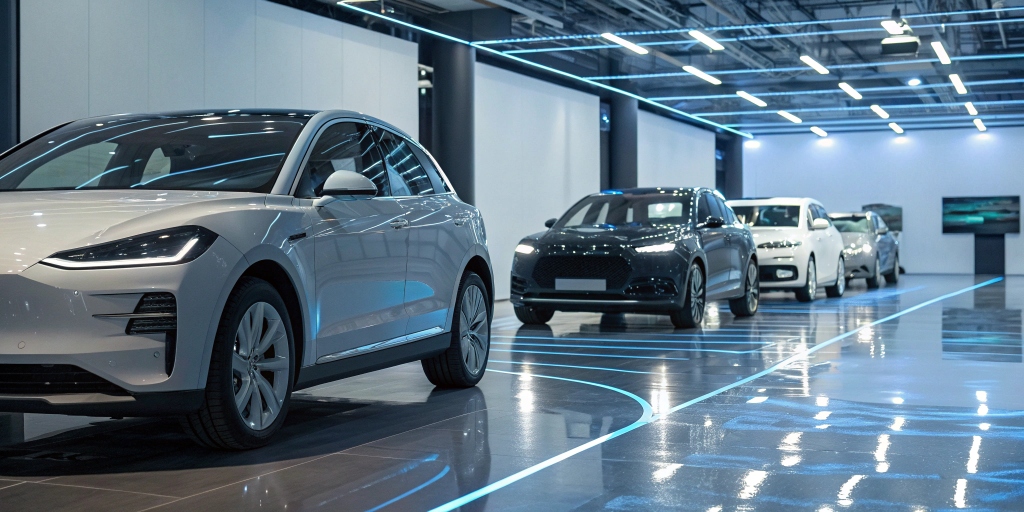
The car-buying experience is undergoing a dramatic transformation as advancements in technology reshape every aspect of the journey. Emerging trends such as artificial intelligence (AI), virtual reality (VR), and sophisticated data analytics are now allowing buyers to explore, select, and purchase vehicles in novel ways that are faster, more transparent, and more personalized than ever before. Consumers interested in exploring these new opportunities to buy or lease should learn more about how technology is shaping the future of automotive retail.
From digital showrooms to innovative subscription models, today’s auto industry is delivering unprecedented convenience and flexibility for shoppers. These technologies not only give buyers more control but also streamline tasks once considered time-consuming or stressful, including price negotiation and feature customization. Dealerships and manufacturers leveraging these emerging tools can provide a highly individualized customer journey, significantly enhancing satisfaction and long-term loyalty. The changes also pose important questions about data privacy and digital security, topics that are increasingly top-of-mind for consumers entering a tech-driven marketplace.
As these developments accelerate, drivers can expect continued improvements in how they search for and secure their next vehicle. This article explores the most significant new automotive technologies reshaping the market today.
AI Integration in Car Shopping
Artificial intelligence is becoming an integral part of the automotive retail landscape. AI-driven tools are making car shopping more intuitive by analyzing buyer data to recommend vehicles that best match individual needs, lifestyles, and budgets. Shoppers benefit from chatbots that answer questions in real time and pricing algorithms that help secure better deals during negotiations. According to research, up to 25 percent of consumers are expected to use AI-powered tools like ChatGPT to research vehicles and compare prices by 2025.
This technology not only helps narrow choices but also automates paperwork, verifies vehicle availability, and even pre-approves financing. The integration of AI streamlines a process that has historically been cumbersome and ensures that buyers are better informed throughout every step of their purchase.
Virtual and Augmented Reality Showrooms
Virtual and augmented reality are redefining how buyers interact with vehicles before purchase. Automakers such as Fiat have introduced digital showrooms in the metaverse, where customers use VR headsets or mobile devices to inspect car interiors, test various features, and interact with digital sales assistants from the comfort of home.
These immersive experiences allow shoppers to visualize different trims, experiment with color combinations, and even “sit” virtually inside a car, reducing the uncertainty that often comes with online vehicle shopping. By blending the physical and virtual worlds, augmented reality tools enable buyers to make more confident decisions and facilitate a seamless shift from online exploration to in-person test drives when desired.
Online Direct-to-Consumer Sales Models
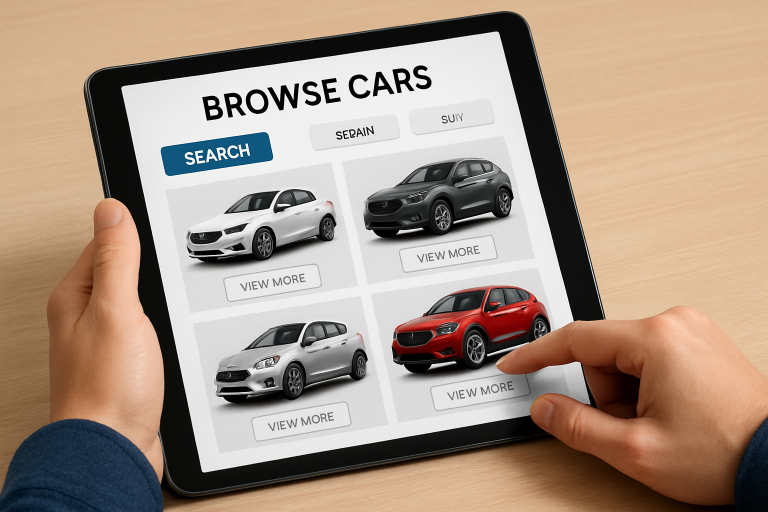
Direct-to-consumer digital sales platforms are disrupting traditional dealership networks. Brands like Tesla have pioneered an approach that allows buyers to configure and purchase their vehicles entirely online, bypassing conventional dealer interactions. These online platforms offer greater transparency, fixed pricing, and the convenience of home delivery.
The adoption of e-commerce by both legacy manufacturers and newcomers is leading to faster transactions and more competitive markets. It also encourages manufacturers to improve digital support and online customer service, raising the bar for the entire industry. For many consumers, buying or leasing a car online is no longer a future vision but today’s reality.
Personalized Customer Experiences
Advancements in AI, big data, and cloud platforms are enabling dealerships to deliver hyper-personalized experiences. Analyzing customer data, such as search behavior, vehicle preferences, and previous purchases, enables businesses to send targeted recommendations and offers via email or text, increasing the relevance of every interaction.
Service notifications and post-purchase support are also tailored to individual buyers, strengthening relationships and establishing loyalty. These changes are moving the industry away from one-size-fits-all engagement toward a model where every customer feels recognized and valued.
Subscription-Based Ownership Models
Car subscription services are emerging as a flexible alternative to traditional vehicle ownership or leasing. Subscription models offer fixed monthly payments that typically include insurance and maintenance, and allow switching between models based on lifestyle needs. This model appeals especially to urban drivers and those who prefer flexibility over long-term commitments.
As this trend expands, manufacturers and mobility providers are broadening their offerings to include electric and hybrid vehicles within their subscription fleets, making it easier for drivers to adapt to evolving transportation needs without high upfront costs.
Over-the-Air Updates and Software-Defined Vehicles
Advancements in software in the automotive industry are making over-the-air (OTA) updates commonplace. Now, vehicle manufacturers can deliver new features, improve safety standards, and enhance driving performance remotely, eliminating the need for traditional service appointments.
This approach is most prominent in electric vehicles, where the ability to update both software and select hardware components frequently enables cars to improve continuously over their lifespans. The shift toward software-defined vehicles marks a move toward greater customer empowerment and product longevity.
Data Privacy and Security Concerns
The proliferation of digital tools and connected car systems brings concerns regarding data privacy and cybersecurity. Modern vehicles often collect significant amounts of personal and behavioral data to deliver seamless user experiences, but this also increases the risk of cyberattacks and information leaks.
Addressing these issues requires brands and dealerships to adopt rigorous cybersecurity protocols, practice data transparency, and comply with evolving global privacy standards. Buyers should remain vigilant, ask questions about data use, and ensure they understand how their information will be handled before finalizing any vehicle transaction.
Conclusion
The integration of technology in the automotive sector is ushering in an era where car buying is more convenient, personalized, and flexible. While AI, VR, and innovative sales platforms provide exceptional benefits, fostering consumer confidence by maintaining strong data privacy standards is equally important. As these technologies continue to evolve, shoppers can look forward to a car-buying experience tailored to modern lifestyles and expectations.