
Why Chicago Homes Struggle With Window Depth Measurements
Window measurements often create unexpected challenges for homeowners in Chicago. Many properties feature older construction styles, which complicate installation projects. According to housing data, a large share of Chicago homes were built before 1980. Additionally, remodeling activity continues to rise across the city every year. When residents research inside mount roman shades measurements, they often discover that depth issues affect blinds, shades, and custom window treatments more than width or height measurements.
Understanding Window Depth Measurements
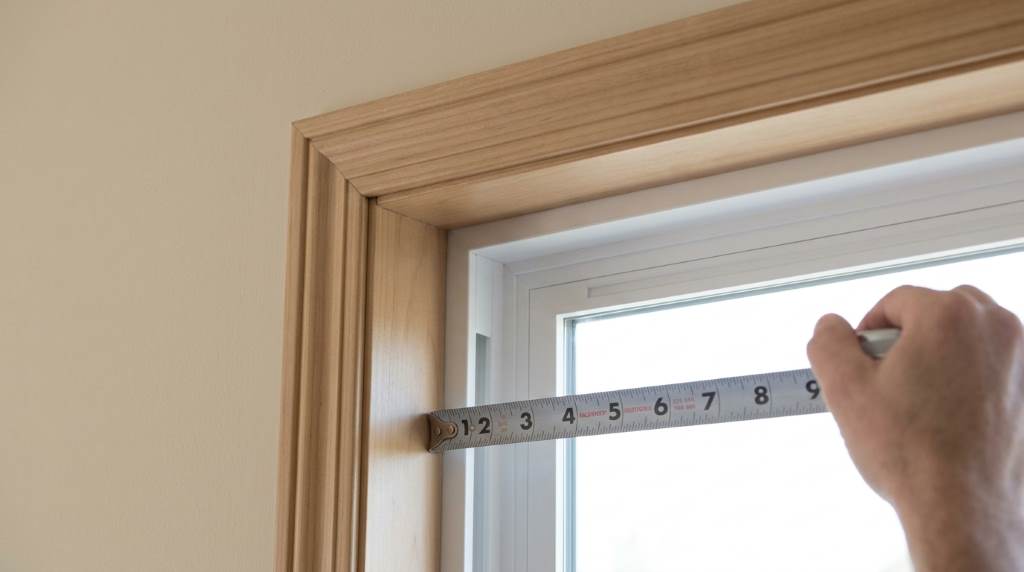
Most homeowners focus on window width and height first. However, depth plays an equally important role during installation. Window depth refers to the distance from the front trim to the glass. Therefore, installers must verify this measurement before ordering treatments.
Many products require minimum recess space for proper operation. Shades, blinds, and shutters all need specific clearance levels. As a result, inaccurate measurements often lead to costly replacements. Proper depth measurement helps homeowners avoid installation delays.
Why Chicago Homes Present Unique Measurement Challenges
Chicago’s housing stock includes historic bungalows, Victorian homes, and mid century properties. Each structure features different window designs and framing methods. Consequently, measuring depth becomes more complicated than expected. Many openings contain hidden irregularities behind decorative trim.
Local weather conditions also influence window construction over time. Seasonal expansion and contraction affect wooden frames significantly. Furthermore, homeowners often explore boost home comfort improvements that alter wall thickness near windows. These changes can reduce available recess depth.
Historic Construction Differences
Many Chicago neighborhoods contain homes built more than a century ago. Builders followed different standards during those periods. Therefore, window openings often vary even within the same house. Modern treatment manufacturers rarely design products around these inconsistencies.
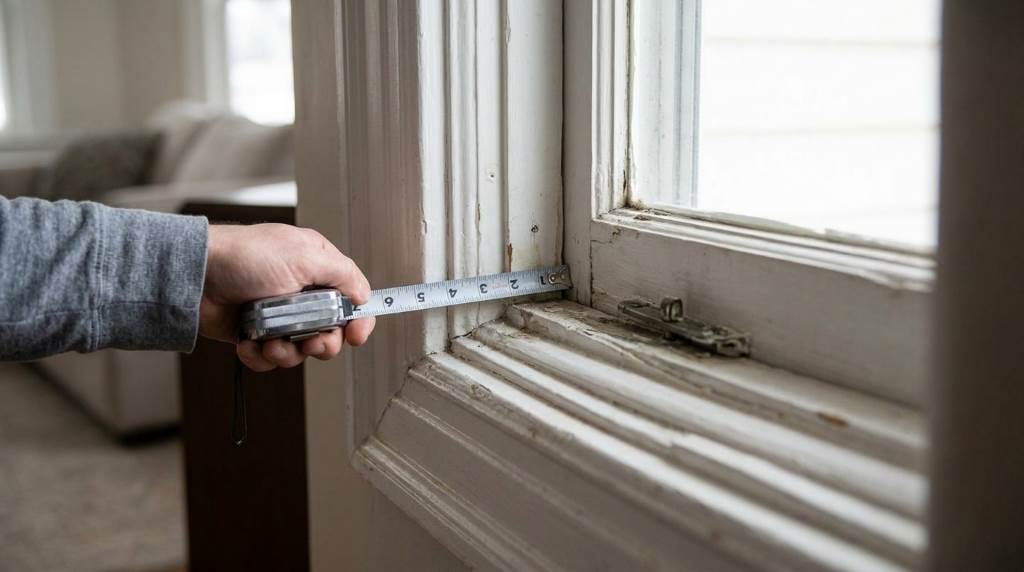
Older homes frequently contain plaster walls around window frames. Unlike modern drywall, plaster creates uneven surfaces over time. Consequently, depth measurements can differ at multiple points. Homeowners should always measure several locations before ordering products.
The Impact of Deep Winter Conditions
Chicago winters create significant stress on building materials. Cold temperatures cause wood and metal components to contract repeatedly. As a result, window frames may shift slightly over decades. These small changes eventually affect measurement accuracy.
Moisture intrusion adds another layer of complexity. Snow accumulation and freezing conditions expose windows to repeated moisture cycles. Therefore, many frames develop subtle warping that remains difficult to notice. Yet these changes can reduce available installation space.
Summer weather creates additional concerns for homeowners. High humidity levels encourage expansion in wooden window components. Moreover, residents often seek ways to keep your home cool during hot months through window upgrades. Those projects sometimes reveal hidden depth limitations.
Common Window Depth Problems Found in Chicago Homes
Uneven Window Recesses
Many homeowners assume window recesses maintain consistent depth throughout the opening. Unfortunately, older structures rarely follow that pattern. Instead, installers often discover variations from top to bottom. These inconsistencies create fitting challenges for custom treatments.
Even small depth differences can affect product performance. Certain shades require precise clearance for smooth operation. Therefore, measuring only one location often produces inaccurate results. Professionals typically check multiple points before placing orders.
Multiple Layers of Renovations
Chicago homes often undergo several remodeling projects across decades. Contractors may add trim, insulation, or replacement windows over time. Consequently, the original window structure becomes difficult to identify. These accumulated changes frequently reduce available recess depth.
Some homeowners install decorative molding around existing windows. While these additions improve aesthetics, they also complicate measurements. As a result, treatment hardware may not fit properly. Careful planning helps prevent installation problems.
Hidden Structural Movement
Another overlooked issue involves gradual structural settlement. Many Chicago properties experience minor movement throughout their lifespan. Therefore, windows may shift slightly out of square. This movement affects depth consistency across the opening.
Homeowners sometimes notice sticking windows or uneven gaps. These signs often indicate structural changes nearby. Additionally, some residents work to save your home from foundation issues that influence window alignment. Accurate measurements become especially important in these situations.
An Overlooked Issue: Interior Storm Window Systems
One uncommon challenge affects many Chicago homes but receives little attention online. Interior storm window systems often reduce usable depth unexpectedly. These installations became popular for energy savings in older properties. However, they create hidden obstacles for new window treatments.
Many homeowners forget to account for storm window frames. Consequently, measurements appear correct until installation day arrives. Treatment hardware then conflicts with the additional frame components. Checking every layer inside the recess prevents this issue.
This situation appears frequently in vintage neighborhoods. Energy conscious homeowners install storm systems without modifying surrounding trim. Therefore, the available recess space shrinks substantially. Careful inspection helps identify these hidden depth reductions early.
How Window Treatments Depend on Accurate Depth
Different products require different amounts of installation space. Some blinds need only modest recess depth. Others demand significantly more clearance for operation. Therefore, product selection depends heavily on measurement accuracy.
Roman shades often require enough room for folds and hardware. Cellular shades also need specific clearance requirements. Consequently, homeowners should verify manufacturer specifications before purchasing products. Proper planning reduces the risk of expensive mistakes.
Inside mounted treatments usually create a cleaner appearance. They also preserve decorative trim and architectural details. However, insufficient depth limits available product options. Therefore, accurate measurements help homeowners choose suitable treatments.
Best Practices for Measuring Window Depth
Measure in Multiple Locations
Always measure depth at the top, middle, and bottom sections. Older windows rarely maintain perfect consistency. Therefore, several measurements provide a more reliable assessment. Record each result carefully for future reference.
Use the smallest measurement when evaluating product compatibility. This approach prevents unexpected installation conflicts. Additionally, it reflects the most restrictive point inside the recess. Manufacturers commonly recommend this method.
Check for Obstructions
Inspect the entire window opening before measuring. Look for locks, cranks, handles, and storm window frames. These elements can reduce usable installation space significantly. Therefore, include them during your assessment.
Even decorative trim can create measurement challenges. Some trim pieces extend farther into the recess than expected. Consequently, hardware placement becomes more difficult. A complete inspection improves measurement accuracy.
Use Professional Tools
A quality steel measuring tape delivers more reliable results. Flexible tapes often create small inaccuracies. Therefore, professionals prefer rigid measuring tools whenever possible. Precision matters when ordering custom products.
Laser measuring devices also provide useful support. However, homeowners should verify readings manually. Combining methods increases confidence in final measurements. Accurate numbers reduce ordering errors substantially.
When Professional Measurement Services Make Sense
Some projects justify professional measurement assistance. Historic homes often contain unusual architectural features. Consequently, experts can identify challenges that homeowners overlook. Their experience helps prevent expensive ordering mistakes.
Custom treatments also increase the value of professional measurements. These products often carry limited return options. Therefore, accuracy becomes even more important. Expert assessment provides additional peace of mind.
Complex window configurations benefit from professional evaluation as well. Bay windows, arched openings, and specialty shapes require careful planning. Moreover, professionals understand manufacturer requirements thoroughly. Their guidance often saves time and money.
Practical Tips for Chicago Homeowners
- Measure depth in at least three locations.
- Account for storm windows and hardware.
- Inspect frames for signs of movement.
- Verify manufacturer depth requirements.
- Measure after major renovation projects.
- Consider professional assistance for older homes.
Homeowners should also measure during stable weather conditions. Extreme temperatures can affect material dimensions slightly. Therefore, spring and fall often provide ideal measuring periods. Consistency improves overall accuracy.
Keeping detailed records helps with future upgrades. Window treatment replacements become easier when measurements remain available. Additionally, documentation supports renovation planning. Organized information reduces stress during home improvement projects.
Conclusion
Chicago homes struggle with window depth measurements because of historic construction, weather effects, renovations, and structural movement. These factors create challenges that many homeowners do not expect. However, careful measuring practices help avoid costly mistakes. By checking multiple locations, accounting for obstructions, and verifying product requirements, homeowners can achieve better installation results. If your home features older windows or unusual configurations, consider professional measurement services before ordering custom treatments.
FAQs
Why is window depth important for window treatments?
Window depth determines whether blinds, shades, or shutters can fit and operate correctly inside the recess.
How many places should I measure window depth?
You should measure at the top, middle, and bottom of the window opening.
Do old Chicago homes have unique measurement issues?
Yes, older homes often contain uneven frames, plaster walls, and structural movement.
Can storm windows affect depth measurements?
Yes, interior storm windows often reduce usable recess space significantly.
Should I hire a professional for measuring?
Professional measurements help prevent costly mistakes, especially in historic or custom projects.