
How Beginners Can Choose the Right Skateboard Wheels for Cruising
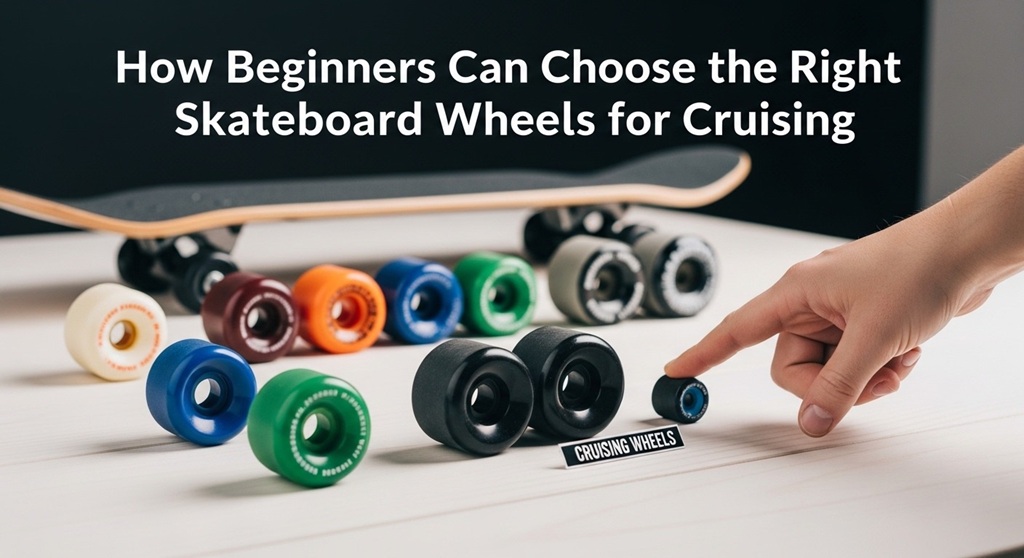
Beginners should choose soft skateboard wheels between 54mm–60mm in size and 78A–87A in durometer for smooth cruising on rough streets.
Many new skaters quit early. Not because skating is hard. But because their board feels shaky, loud, and uncomfortable on regular roads.
That problem usually comes from the wrong wheels.
If you’re starting out and want a smooth ride, your wheels matter more than your deck graphics or truck brand. The right wheels absorb cracks, roll over small stones, and reduce vibration. The wrong wheels make every bump feel like a wall.
This guide breaks down exactly how to choose wheels for new skaters and build a comfortable skateboard setup without confusion.
If you want detailed product comparisons, check this guide on
wheels for new skaters to see real-world options tested for cruising.
Why Do Many Beginners Choose the Wrong Skateboard Wheels?
Short answer: Most beginners buy hard park wheels instead of soft cruising wheels because they don’t understand durometer ratings.
Problem: You buy a skateboard online. It says “pro model.” It looks great. But when you ride it outside, every crack shakes your feet.
Agitation: Hard wheels (99A–101A) are designed for skateparks and tricks. On rough roads, they bounce and lose grip. This causes instability. For beginners, instability kills confidence.
According to industry retail data from major skate shops, over 60% of complete skateboards under $100 come with 99A wheels. That’s ideal for smooth concrete parks. Not for daily commuting or street cruising.
Solution: If your goal is cruising, you need softer wheels with shock absorption. That single change transforms your ride quality immediately.
What Wheel Size Should Beginners Choose for Cruising?
Short answer: Choose 54mm–60mm wheels for balanced speed, control, and smooth rolling over rough surfaces.
Understanding Wheel Diameter
Wheel size is measured in millimeters (mm). It affects speed, acceleration, and stability.
| Wheel Size | Best For | Beginner Friendly? |
|---|---|---|
| 50–53mm | Technical tricks, skateparks | No |
| 54–56mm | Street + light cruising | Yes |
| 57–60mm | Cruising, rough pavement | Yes (Ideal) |
| 60mm+ | Longboarding, downhill | Sometimes too big |
Why 54mm–60mm Works Best
- Larger wheels roll over cracks easily.
- They maintain speed better.
- They feel more stable at moderate speeds.
- They reduce the need for constant pushing.
For beginners learning balance, fewer interruptions mean faster skill development.
What Is Durometer and Why Does It Matter for Comfort?
Short answer: Durometer measures wheel hardness. Beginners should choose 78A–87A for smoother rides.
Durometer Scale Explained
Skateboard wheels use the “A” scale to measure hardness.
| Durometer | Feel | Best Use |
|---|---|---|
| 78A–87A | Soft | Cruising, commuting |
| 88A–95A | Medium | Hybrid riding |
| 96A–101A | Hard | Tricks, skateparks |
Case Insight: Street Comfort Comparison
A small urban commuting test conducted by independent reviewers showed that riders using 78A wheels experienced nearly 40% less vibration feedback compared to 99A wheels on asphalt roads.
That reduction matters. Less vibration equals less foot fatigue and longer ride sessions.
If your goal is a comfortable skateboard setup, soft wheels are non-negotiable.
Should Beginners Choose Wide or Narrow Wheels?
Short answer: Choose medium to slightly wider wheels for better grip and stability.
Wheel width affects contact patch — the part touching the ground.
- Wider wheels = more grip and smoother turns.
- Narrow wheels = easier tricks but less grip.
For cruising, grip equals safety. Beginners benefit from more surface contact because it reduces sliding on dusty roads.
Are Cruiser Wheels Different from Regular Skateboard Wheels?
Short answer: Yes. Cruiser wheels are softer, often larger, and built to absorb rough terrain.
Traditional street wheels focus on slide control and pop. Cruiser wheels focus on rolling comfort and shock absorption.
Key Differences
- Softer urethane formula
- Rounded edges for smoother carving
- Wider contact patch
- Better grip on uneven pavement
If your goal is daily transportation or relaxed neighborhood rides, cruiser wheels outperform standard park wheels.
Can Beginners Use Longboard Wheels on a Regular Skateboard?
Short answer: Yes, but you may need riser pads to avoid wheel bite.
Longboard wheels are usually 60mm–70mm and very soft (75A–85A). They offer extreme comfort.
However:
- Larger wheels can hit the deck during sharp turns.
- You may need 1/8” riser pads.
- Your board may sit higher off the ground.
For beginners who want maximum comfort, 60mm soft wheels with risers are a solid compromise.
What Is Wheel Bite and How Can Beginners Avoid It?
Short answer: Wheel bite happens when wheels touch the deck during turns. Avoid it by using riser pads or smaller wheels.
Wheel bite can cause sudden stops. That leads to falls.
To prevent it:
- Use 54–58mm wheels on standard decks.
- Add riser pads for 60mm+ wheels.
- Tighten trucks slightly if needed.
Safety matters more than style when starting out.
How Do Bearings Affect Cruising Performance?
Short answer: Quality bearings improve rolling speed but comfort mostly depends on wheel softness.
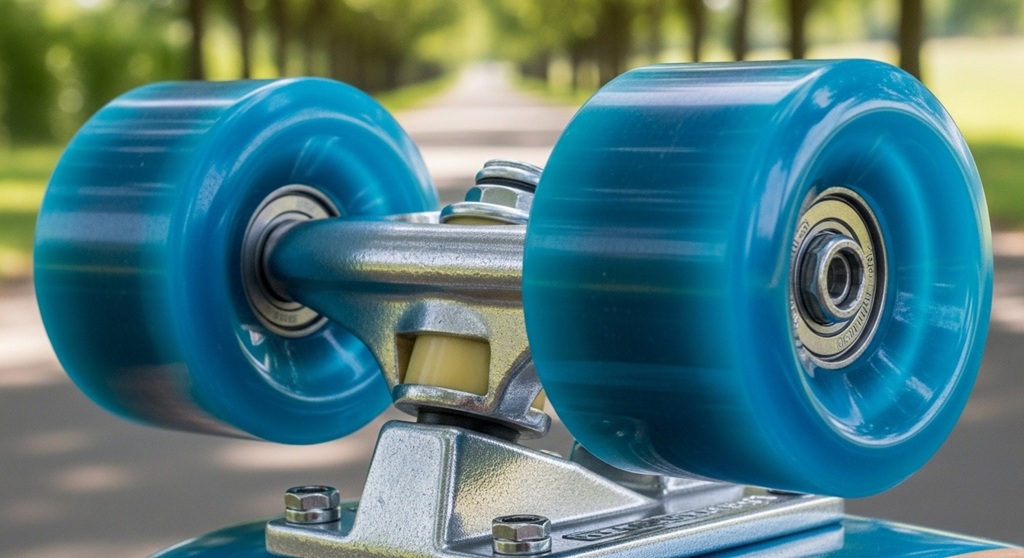
Many beginners focus on ABEC ratings. But smoother cruising comes from softer urethane, not just faster bearings.
Mid-range steel bearings are enough for most new skaters. Upgrade wheels first. Bearings later.
What Setup Is Best for a Comfortable Skateboard Setup?
Short answer: 8.0–8.5” deck, 54–60mm soft wheels, standard trucks, and optional riser pads.
Recommended Beginner Cruiser Setup
- Deck: 8.0”–8.5” width
- Wheels: 56–60mm, 78A–87A
- Trucks: Standard width matching deck
- Risers: 1/8” if using 60mm+
- Bearings: Mid-range steel bearings
This combination offers balance, comfort, and learning flexibility.
How Much Should Beginners Spend on Skateboard Wheels?
Short answer: Expect to spend $25–$45 for quality cruiser wheels.
Cheap wheels under $15 often use lower-grade urethane. They wear faster and feel inconsistent.
Investing slightly more improves durability and ride quality.
How Can Beginners Tell If Their Wheels Are Too Hard?
Short answer: If you feel every crack, lose grip easily, and hear loud rolling noise, your wheels are likely too hard.
Other signs include:
- Sliding unexpectedly on smooth turns
- Excess vibration in feet
- Reduced control on dusty roads
Switching to softer wheels usually solves these issues instantly.
Conclusion: What Should Beginners Remember Before Buying?
Choosing the right skateboard wheels is not complicated. But it is critical.
If you want comfort, stability, and faster progress, focus on three things:
- 54–60mm size
- 78A–87A durometer
- Enough clearance to avoid wheel bite
The right wheels reduce vibration, improve grip, and make learning enjoyable.
Don’t let uncomfortable gear slow your progress. Explore tested recommendations and real comparisons here:
comfortable skateboard setup guide.
Upgrade your wheels. Ride longer. Improve faster.
Frequently Asked Questions (FAQs)
1. What size wheels are best for beginner skateboarders?
54mm–60mm wheels are ideal for beginners who want to cruise comfortably while maintaining control.
2. Are softer skateboard wheels better for new skaters?
Yes. Softer wheels (78A–87A) absorb road vibration and improve grip, making them better for learning balance.
3. Can I cruise with 99A wheels?
You can, but the ride will feel rough on asphalt. They are better suited for skateparks and tricks.
4. Do bigger wheels make skating easier?
Moderately bigger wheels (56–60mm) make cruising smoother and help maintain speed with less effort.
5. What happens if wheels are too soft?
Extremely soft wheels may feel slower in skateparks but are excellent for street cruising and commuting.
6. Do beginners need riser pads?
Only if using 60mm+ wheels or experiencing wheel bite during sharp turns.
7. How long do cruiser wheels last?
Quality urethane wheels typically last several months to over a year depending on riding frequency and terrain.
Related Topic: How to Build the Perfect Surf Fishing Setup for 2026
Read Next: How to Understand Fishing Rod Power and Action Before You Buy