
How Cold Press Juicers Preserve Vitamins and Enzymes
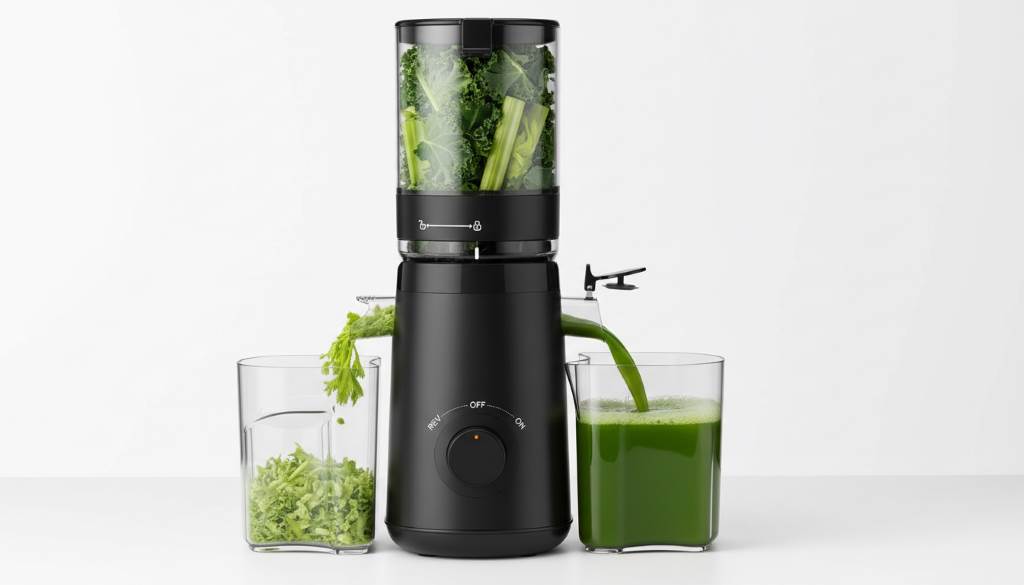
Fresh juice bursts with flavor and nutrition. Many people love juicing for its quick health boost. However, not all juicers deliver the same results. Cold press juicers stand out because they protect delicate vitamins and enzymes far better than traditional models.
Research backs this up. A study published in the National Institutes of Health found that cold-pressed juices retain higher levels of antioxidants and bioactive compounds. Another analysis showed these juices can keep up to 42% more vitamin C. This happens because slow, gentle extraction avoids heat and excess air.
If you want to check out nutrient retention in a reliable machine, take a look at the Tuumiist cold press juicer. It shows how modern design maximizes benefits from every fruit and vegetable.
What Is Cold Press Juicing?
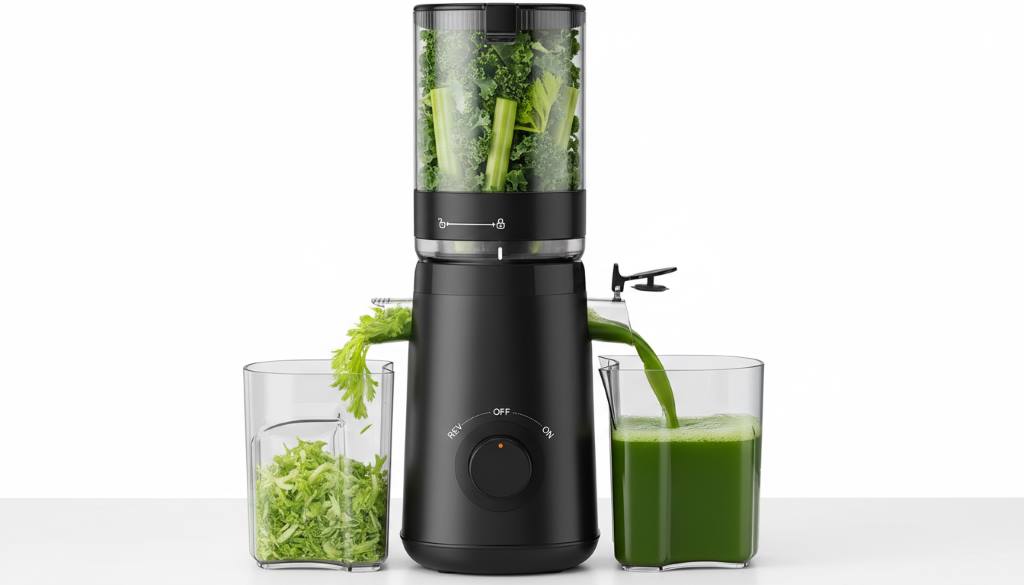
Cold press juicers, also known as masticating or slow juicers, work differently from common models. They use a strong auger that crushes produce slowly. Then, the machine presses out the juice gently.
This process runs at low speeds, often 40 to 80 rotations per minute. As a result, almost no heat builds up. The juice stays cool and fresh.
In contrast, centrifugal juicers spin blades at high speeds, up to 15,000 RPM. That action creates friction. Friction generates heat, and heat changes the juice in ways you might not expect.
Moreover, slow juicing produces thicker, richer juice with vibrant color. You notice the difference right away when you taste it.
Why Heat Matters in Juicing
Heat acts as a major threat to nutrients. Many vitamins break down when temperatures rise even slightly. For example, vitamin C starts to degrade above 140°F.
Enzymes face even bigger risks. These natural helpers in plants stop working when heated. High-speed blades can push juice temperatures high enough to damage them quickly.
Additionally, heat speeds up oxidation. Oxygen reacts faster in warm conditions. That reaction steals flavor and nutrition over time.
Therefore, keeping things cool makes a real difference. Cold press methods avoid these problems almost entirely.
The Role of Oxidation in Nutrient Loss
Oxidation happens when air mixes into the juice. Centrifugal juicers pull in lots of air during fast spinning. This creates foam and starts chemical reactions immediately.
Those reactions destroy sensitive compounds. Antioxidants like polyphenols fade fast. Vitamin C also drops as oxygen attacks it.
On the other hand, cold press juicers minimize air exposure. The slow pressing action keeps bubbles low. Less foam means slower oxidation.
Consequently, the juice stays nutritious longer. You can even store it in the fridge for a day or two without major loss.
How Cold Press Juicers Protect Live Enzymes
Plants contain active enzymes that help digestion. These include amylase for starches and protease for proteins. Your body benefits when those enzymes arrive intact.
High heat denatures them quickly. Once denatured, enzymes lose their shape and function. Fast juicers often cross that temperature line.
Slow juicers avoid this issue. They keep temperatures below the danger zone. Lab tests show some models preserve up to three times more enzyme activity.
Furthermore, preserved enzymes give juice a fresh, alive taste. Many people describe it as more vibrant and satisfying.
Key Vitamins That Thrive in Cold Press Juice
Vitamin C Retention
Vitamin C leads the list of heat-sensitive nutrients. It supports immunity and skin health. Studies reveal cold-pressed orange juice holds significantly more of it.
One comparison found 42% higher levels compared to centrifugal methods. That extra amount adds up over daily glasses.
B Vitamins and Folate
B vitamins power energy production. Folate helps cell growth. These water-soluble nutrients wash away easily but also suffer from heat.
Slow extraction keeps them stable. Green leafy juices shine here, delivering full folate benefits.
Antioxidants and Polyphenols
Polyphenols fight inflammation and protect cells. Berries and pomegranates pack high amounts. Research confirms cold press methods retain more of these powerful compounds.
For instance, apple juice from slow juicers shows higher polyphenol counts. Those extras support heart health and longevity.
Vitamin A and Carotenoids
Carrots and sweet potatoes provide beta-carotene, which turns into vitamin A. Oxidation dims these orange pigments quickly.
Gentle pressing preserves their bright color and potency. Your vision and immune system thank you for the difference.
Scientific Studies on Nutrient Retention
Researchers continue to compare juicing methods. A 2019 NIH study examined pineapple juice. Cold-pressed samples displayed superior antioxidant levels and bioactive retention.
Another test tracked shelf life. After 72 hours, centrifugal juice lost nearly half its vitamin A. Cold-pressed versions dropped only about 12%.
Additionally, food chemistry journals report that temperatures over 140°F destroy much vitamin C fast. Slow juicers rarely reach those levels.
These findings come from controlled lab conditions. They prove the advantages go beyond marketing claims.
Health Benefits of Better Nutrient Preservation
Higher nutrient levels translate to real wellness gains. People report stronger immunity after switching to cold press juice. The extra vitamin C helps fight colds more effectively.
Moreover, preserved antioxidants reduce daily oxidative stress. This supports clearer skin and steady energy.
Enzymes aid digestion too. Many notice less bloating from green juices made slowly. The live helpers break down fibers gently.
Overall, consistent cold press juicing builds better habits. You absorb more goodness from the same produce.
Related:
Flex Edge Beater for Baking: KitchenAid KFE5T Review
KitchenAid Mixer Pasta Attachment – A Must-Have for Pasta Lovers
Everyday Examples of Nutrient Boosts
Consider a simple carrot-apple juice. In a centrifugal machine, heat and air dull the bright orange color quickly. The taste flattens within hours.
Now try the same recipe in a cold press juicer. The color stays vivid. Flavor remains crisp even the next day. You get more beta-carotene and polyphenols in every sip.
Or think about leafy greens. Kale and spinach hold delicate folate. Slow pressing extracts it fully without degradation. That supports energy and mood.
These small differences compound over weeks and months.
Tips to Maximize Nutrient Retention at Home
Start with fresh, organic produce when possible. Ripe fruits and crisp vegetables yield the best results.
Next, drink juice soon after making it. Even cold-pressed versions lose some nutrients over time. Aim for within 24 hours.
Store leftovers properly too. Use airtight glass containers filled to the top. This limits air exposure.
Also, alternate ingredients. Mix high-water fruits like cucumber with denser greens. This creates balanced nutrition and smooth texture.
Finally, clean your juicer right away. Residue can affect future batches.
Common Myths About Juicing and Nutrients
Some claim all juicers destroy most nutrients. That overstates the case. Centrifugal models still provide plenty of goodness, just less than slow ones.
Others say enzymes in juice don’t matter because stomach acid kills them. Yet many feel digestive benefits anyway. Plant enzymes start breaking down food early.
Another myth suggests cold press juice costs too much more. Once you factor in higher yield and longer shelf life, the value evens out.
Truth lies in the details. Slow methods clearly win on retention.
Comparing Yield and Efficiency
Cold press juicers often extract more juice from the same produce. Dry pulp means you waste less. This stretches your grocery budget.
Higher yield also concentrates nutrients. You get denser nutrition per glass.
In contrast, centrifugal machines leave wetter pulp. That means lost potential juice and nutrients.
Over time, the difference adds up noticeably.
Best Produce for Cold Press Juicing
Leafy greens perform exceptionally well. Kale, spinach, and wheatgrass release nutrients gently.
Root vegetables like beets and carrots shine too. Their tough fibers break down thoroughly.
Citrus fruits deliver bright, stable juice. The slow press captures essential oils beautifully.
Berries and soft fruits require care but reward with intense flavor. Add a few apple slices for smoother flow.
Experiment freely. Variety keeps nutrition broad and interesting.
Building a Daily Juicing Routine
Start small with one glass each morning. Choose simple combinations at first.
Then build complexity as you learn preferences. Add ginger for warmth or lemon for brightness.
Track how you feel over weeks. Many notice steadier energy and better digestion.
Share with family too. Kids often enjoy sweeter fruit blends made fresh.
Consistency turns juicing into a lasting habit.
Conclusion
Cold press juicers protect vitamins and enzymes through gentle, low-heat extraction. They minimize oxidation and preserve more of nature’s best compounds. Studies consistently show higher retention of vitamin C, antioxidants, and active enzymes.
These advantages lead to tastier, healthier juice that lasts longer. You gain real wellness benefits from every glass.
Ready to experience the difference yourself? Choose a quality cold press juicer and start enjoying maximum nutrition today.
FAQs
Do cold press juicers really preserve more vitamins than regular ones?
Yes, they do. Multiple studies show higher levels of heat-sensitive vitamins like C and better antioxidant retention. The slow process avoids damage that fast spinning causes.
How long can I store cold-pressed juice?
Most keep well for 48 to 72 hours in the fridge. Use airtight containers and fill them completely. Drink sooner for peak freshness and nutrition.
Are enzymes in juice important for health?
Plant enzymes help break down food early in digestion. Preserved enzymes may ease bloating and improve nutrient uptake. Many people feel the difference.
Is cold press juicing worth the extra time?
Absolutely. Higher yield, better taste, and superior nutrition make it worthwhile. Cleanup is simple, and results reward the small wait.
Can I juice any fruit or vegetable in a cold press machine?
Most work well. Leafy greens, roots, citrus, and soft fruits all extract beautifully. Some very fibrous items like pineapple need cutting into smaller pieces.
References
- Effect of cold-pressed and normal centrifugal juicing on quality attributes of pineapple juice. National Institutes of Health. https://pmc.ncbi.nlm.nih.gov/articles/PMC6587058
- Cold-Pressed VS Centrifugal Juice – Nutrient Shelf Life Comparison. Goodnature. https://www.goodnature.com/blog/cold-pressed-vs-centrifugal-juice-part-2-nutrient-shelf-life