
How to Choose the Best Fishing Tackle Storage Bags for Any Fishing Trip
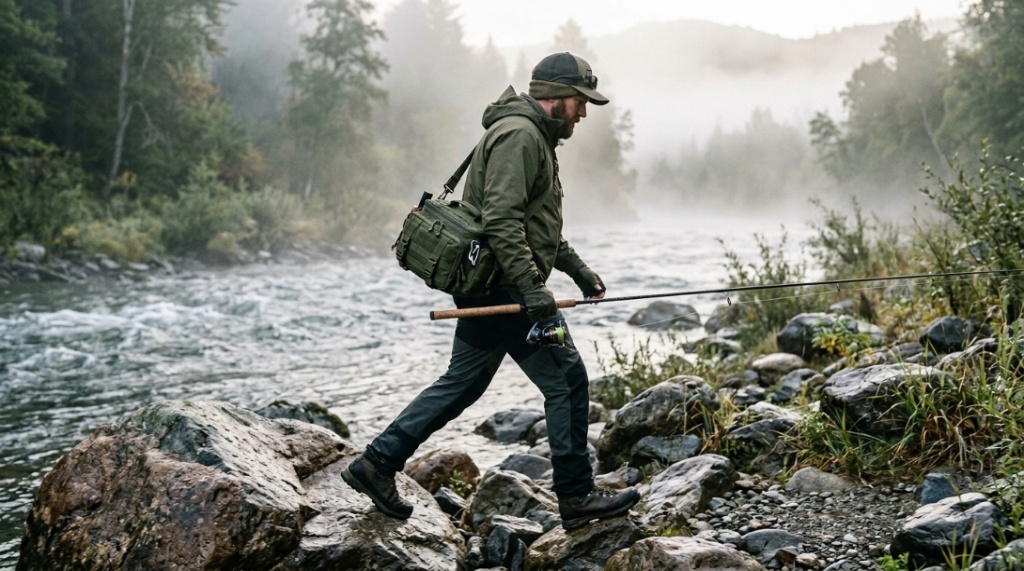
You arrive at your fishing spot, excited and ready. You pop open your bag and — chaos. Hooks tangled with soft plastics. Lures jammed against leaders. That one crankbait you need is buried somewhere beneath a nest of swivels, split shots, and mystery line. Twenty minutes of digging later, the bite window has closed.
It’s not just annoying it costs you fish. Disorganized tackle means slower rigging, missed opportunities, and damaged gear that needs replacing far sooner than it should. Rusty hooks, kinked leaders, and crushed soft plastics add up to real money wasted over a season.
The fix is simple but specific: the right fishing gear storage bags matched to your fishing style, trip type, and tackle volume. Not every bag works for every situation — a kayak angler needs something radically different from a boat fisherman or a shore walker. This guide helps you pick the exact storage solution that keeps your gear organized, protected, and instantly accessible no matter where you fish.
Why Does Fishing Gear Organization Actually Matter for Catching Fish?
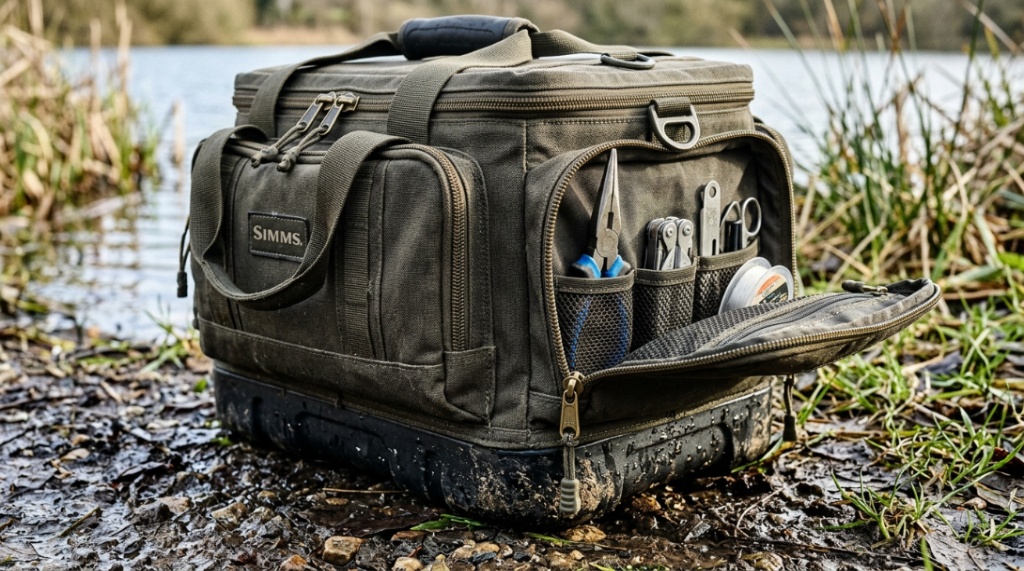
Beyond convenience, proper fishing gear organization directly impacts your success rate on the water. Here’s the connection most anglers underestimate:
Speed of presentation changes: When fish are active, conditions can shift in minutes. Wind changes, cloud cover moves in, or bait schools relocate. Anglers who can switch from a topwater to a jig to a crankbait in under 60 seconds stay on fish. Those who dig through tangled bags miss the window entirely.
Tackle condition: Properly stored hooks stay sharp. Organized soft plastics maintain their shape and scent. Leaders stored flat don’t develop memory coils. Line kept away from UV exposure lasts longer. Every piece of gear performs better when stored correctly.
Mental clarity: Fishing requires focus—reading water, feeling subtle bites, making accurate casts. When your gear situation is stressful and chaotic, it fragments your attention. A well-organized bag means your mind stays on fishing, not on finding things.
Trip readiness: With proper fishing gear storage bags, packing for a trip takes minutes. You grab the bag, confirm contents, and go. No frantic morning-of searches, no forgotten essentials, no arriving at the water missing critical tackle.
What Types of Fishing Gear Storage Bags Exist?
The market offers several distinct categories, each designed for specific fishing scenarios:
Soft-Sided Tackle Bags
The most versatile option. These use durable fabric (typically 600D-1680D polyester or nylon) with multiple compartments, pockets, and often include removable tackle trays. They’re lighter than hard boxes, more flexible in shape, and easier to carry. Best for: wade fishing, hiking to remote spots, kayak fishing, and anglers who need portability.
Tackle Backpacks
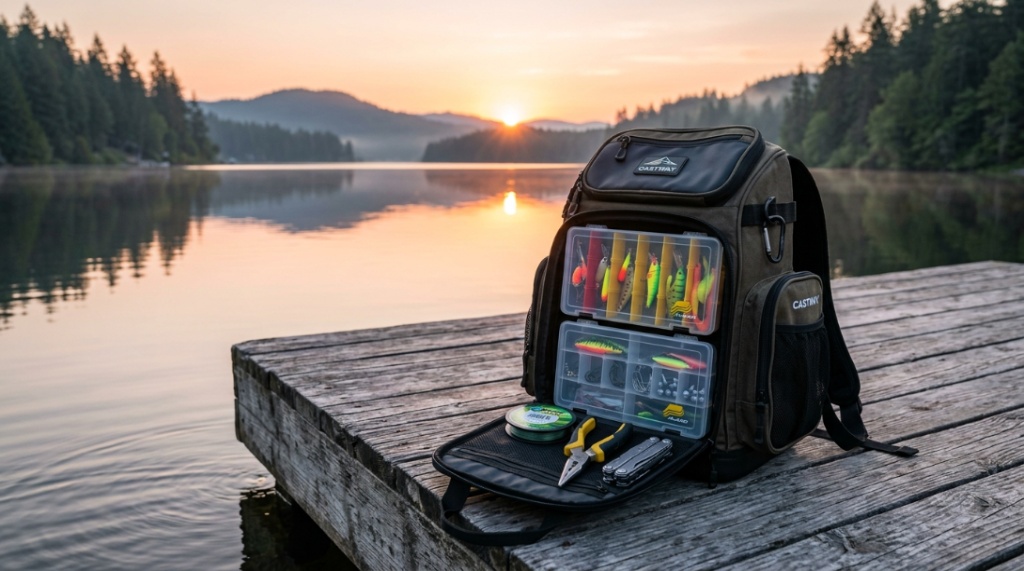
Hands-free carrying with dedicated tackle organization. These combine traditional backpack comfort (padded straps, hip belts) with internal tray systems and external tool holders. Best for: bank fishing, hiking to spots, urban fishing where you walk between locations.
Tackle Wraps and Roll-Ups
Compact, flat storage specifically for lures, jigs, and rigged leaders. They use individual pockets or slots that keep items separated and visible. Best for: minimalist anglers, specific technique setups, supplementing a main bag with overflow storage.
Waterproof Dry Bags with Organizers
Fully sealed bags (roll-top or zip-seal) that keep everything dry in any condition. Internal organization varies — some have built-in dividers, others use removable pouches. Best for: kayak fishing, wade fishing, wet weather, boat anglers who face spray.
Modular System Bags
Base bags with attachable/removable component pouches. You customize the configuration for each trip — add the soft plastic module, remove the fly fishing module, attach the leader wallet. Best for: multi-species anglers, tournament fishermen, anyone who targets different species on different days.
How Do You Match a Storage Bag to Your Fishing Style?
The “best” bag depends entirely on how and where you fish. Here’s a decision framework:
| Fishing Style | Best Bag Type | Key Features Needed | Size Range | Budget Range |
|---|---|---|---|---|
| Kayak Fishing | Soft bag or waterproof dry bag | Low profile, waterproof, milk crate compatible | Medium (3500-4500 cu in) | $40-80 |
| Bank/Shore Fishing | Tackle backpack | Padded straps, rod holders, water bottle pocket | Medium-Large (4000-5500 cu in) | $50-120 |
| Boat Fishing | Soft-sided bag or modular system | Non-slip base, large capacity, waterproof bottom | Large (5000-7000 cu in) | $60-150 |
| Wade Fishing | Compact sling or chest pack | Waterproof, lightweight, above-water carry | Small (1500-2500 cu in) | $30-70 |
| Travel/Fly-In | Tackle wrap + compact bag | TSA-friendly, crushproof, minimal weight | Small-Medium (2000-3500 cu in) | $35-90 |
What Features Separate Good Fishing Gear Storage Bags from Great Ones?
Once you’ve identified your bag type, these specific features determine quality and longevity:
Material and Construction
Fabric weight: 600D polyester is the minimum for durability. 1000D-1680D nylon or polyester handles heavy hooks, sharp objects, and outdoor abuse without puncturing or tearing. Avoid anything below 400D — it’ll fail within a season.
Zippers: SBS or YKK brand zippers with corrosion-resistant coating. Fishing environments mean salt, sand, and moisture—cheap zippers seize up by month three. Self-healing coil zippers resist sand better than toothed metal zippers.
Stitching: Double or triple-stitched stress points (handles, strap attachments, zipper ends). Single-stitch construction at these points is a guaranteed failure zone under load.
Base material: Molded plastic or rubberized bottom that resists moisture wicking from wet surfaces. Your bag will sit on wet boat decks, muddy banks, and dewy grass—the bottom takes the most abuse.
Internal Organization
Removable tray system: Standard 3600 or 3700 size utility trays that lift out. This lets you swap trays between bags for different trips and replace individual trays when they wear out.
Dedicated pockets: Separate spaces for pliers, line cutters, leader material, phone, keys, and license. The more specific the pocket design, the less digging you’ll do.
Divider customization: Internal dividers that can be rearranged or removed. Your storage needs change seasonally — summer topwater setups differ from winter jigging kits.
Weather Protection
Water resistance rating: DWR (Durable Water Repellent) coating handles light rain. Sealed seams handle downpours. Full waterproof construction (welded seams, roll-top closures) handles submersion. Match the protection level to your exposure risk.
UV resistance: Sun degrades nylon and polyester over time. UV-treated fabrics last 2-3 seasons longer than untreated ones. If your bag lives on the boat deck, this matters significantly.
How Should You Organize Tackle Inside Your Storage Bag?
Having the right bag is step one. Organizing it effectively is step two—and it’s where most anglers get lazy after the initial excitement of a new bag wears off:
The Zone System: Divide your bag into zones by use frequency. Top/easily accessed areas hold your current technique’s tackle—what you’ll reach for 10-20 times per trip. Middle zones hold backup options and secondary presentations. Bottom/back zones hold rarely-used items, spare line, and tools.
Color Coding: Use different colored tray boxes for different categories. Blue trays for crankbaits, green for soft plastics, clear for terminal tackle. When you need something, you grab by color without opening every tray.
Technique Trays: Instead of organizing by lure type, organize by technique. One tray holds everything you need for drop-shotting: hooks, weights, soft plastics, and leader material together. Another holds your topwater setup: walking baits, poppers, buzz baits, and appropriate snaps/leaders.
The “Ready Rig” Section: Pre-tie your most-used rigs and store them in a leader wallet or wrap within easy reach. When a fish breaks you off, you grab a ready rig instead of retying from scratch — saving 3-5 minutes per break-off.
Which Fishing Gear Storage Bags Offer the Best Value in 2026?
After evaluating construction quality, organization features, and price-to-longevity ratios, these deliver the most bang for your dollar:
Best Overall: Plano Z-Series 3600 Tackle Bag ($55-70)
Waterproof base, 1680D fabric, includes five 3600 StowAway utility boxes, a molded top for quick access, and a padded shoulder strap. This bag covers 90% of anglers’ needs at a mid-range price. Fits boat, bank, and kayak fishing comfortably.
Best Budget: Piscifun Outdoor Tackle Bag ($30-40)
Surprisingly well-built for the price. 1200D nylon, including four 3600 trays, multiple tool holders, and a non-slip rubber base. Won’t last as many seasons as premium options, but delivers 80% of the organization’s value at 40% of the cost.
Best for Kayak: KastKing Tackle Backpack ($60-80)
Low-profile design fits behind kayak seats. Waterproof bottom, corrosion-resistant zippers; includes four 3600 boxes with adjustable dividers. The backpack straps make portaging between launch spots comfortable.
Best Premium: Shimano Blackmoon Fishing Backpack ($120-150)
Full waterproof construction, premium YKK zippers, includes large and medium utility boxes, integrated rain cover, and comfortable even loaded with 15+ lbs of gear. Built to last 5+ seasons of heavy use.
For anglers who want a deep dive into specific options suited to their region and fishing conditions, this detailed resource on best fishing tackle storage bags and wraps covers additional selections with in-depth reviews.
How Do You Maintain Fishing Gear Storage Bags for Maximum Lifespan?
Even premium bags degrade quickly without basic maintenance:
- Rinse after saltwater exposure: Salt crystals destroy zippers, corrode hardware, and weaken fabric over time. A quick freshwater rinse after every saltwater trip extends bag life by 2-3x.
- Dry completely before storage: Never put a wet bag away sealed. Mold, mildew, and that terrible smell develop within 48 hours. Open all compartments and air dry in shade (UV degrades materials).
- Lubricate zippers quarterly: A light wax or zipper-specific lubricant keeps them running smoothly. Prevention is far cheaper than replacement.
- Inspect and replace trays annually: Plastic utility trays crack, hinges weaken, and dividers lose their grip. A $5 replacement tray prevents a catastrophic spill of loose hooks inside your bag.
- Remove all tackle for deep cleans monthly: Even organized bags accumulate sand, hook points, lost split shots, and dried bait residue in corners. Monthly cleanouts prevent these from damaging gear or creating rust stains.
What Common Mistakes Do Anglers Make with Tackle Storage?
Avoid these traps that waste money and lose fish:
- Buying too large: A bag with 50% empty space means gear shifts and tangles during transport. Size to your actual tackle volume plus 20% growth room — not more.
- Ignoring waterproofing for the base: Your bag will sit on wet surfaces. Always. A fabric-bottom bag wicks moisture up into tackle, causing rust on hooks and corrosion on snaps within weeks.
- Mixing sharp and soft items: Loose hooks in the same compartment as soft plastics = destroyed baits. Always separate sharp terminal tackle from soft materials.
- Overloading beyond weight rating: Bags have structural limits. Exceeding them causes strap failure, zipper blowouts, and seam separation — usually at the worst possible moment.
- Choosing style over function: That tactical-looking bag might photograph well, but if the internal organization doesn’t match your tackle system, it’ll frustrate you every trip. Function first, always.
How Often Should You Upgrade or Replace Your Tackle Storage System?
Signs it’s time for a new fishing gear storage bag:
- Zippers stick or fail to close fully (gear exposure risk)
- Fabric shows wear-through at stress points (structural failure imminent)
- The waterproof coating has delaminated (your bag is now a sponge)
- You’ve outgrown the capacity (constantly overpacking)
- Your fishing style has changed (bank to kayak, freshwater to salt)
- Internal organization no longer matches your tackle system
Budget bags: expect 1-2 seasons. Mid-range: 3-4 seasons. Premium: 5-7 seasons with proper care. The per-season cost of premium bags is often lower than cheap ones when longevity is factored in.
FAQ
What size tackle bag do I need for a full day of fishing?
For a full day targeting one or two species, a medium bag (3500-4500 cubic inches) with 4-6 utility trays covers most situations. This fits 60-80 individual lures, terminal tackle, tools, and personal items. Multi-species full-day trips or tournament situations may require large bags (5000+ cubic inches).
Are fishing gear storage bags better than traditional tackle boxes?
For most modern anglers, yes. Soft bags are lighter, more portable, conform to tight spaces (kayak hatches, boat compartments), offer more organization pockets, and protect gear better during transport. Hard boxes still excel for boat-based anglers with permanent storage space who prioritize crush protection above all else.
Can I use any utility trays in my tackle bag or do they need to be brand-specific?
Most quality tackle bags accept standard 3600 or 3700 size utility trays regardless of brand. Plano, Flambeau, Bass Mafia, and off-brand trays all share standard dimensions. Check your bag’s tray slot dimensions before purchasing, but cross-compatibility is the industry norm.
How do I prevent rust on hooks and tackle inside storage bags?
Use rust-prevention tabs (VCI technology) placed inside each utility tray — they emit a vapor that protects metal surfaces. Additionally, ensure bags dry completely after each use, avoid mixing wet and dry tackle, and consider silica gel packets in bags stored long-term between seasons.
What’s the best way to store soft plastic baits in a tackle bag?
Keep soft plastics in their original bags or in dedicated soft bait binders with individual pockets. Never mix different-colored soft plastics together—the plasticizers transfer pigment between baits (a green worm will stain a white one). Temperature matters too: avoid leaving bags in hot car trunks where soft plastics melt and fuse together.
Should I buy one large bag or multiple smaller specialized bags?
Multiple smaller bags organized by technique or species offer more flexibility. You grab the “bass topwater” bag or the “walleye jigging” bag depending on the trip—leaving unnecessary tackle at home and keeping your loadout focused. One large bag works better for boat anglers with permanent onboard storage who don’t need to carry gear far.
How do I organize tackle storage for ice fishing specifically?
Ice fishing demands compact, cold-weather-compatible storage. Choose bags with insulated compartments (prevent bait from freezing solid), smaller trays (you use fewer lure varieties), and external attachment points for Vexilar/flasher units. Bucket-style organizers that double as seating are uniquely effective for ice fishing situations.