
Why Fiddler Crabs Keep Dying in Houston, TX
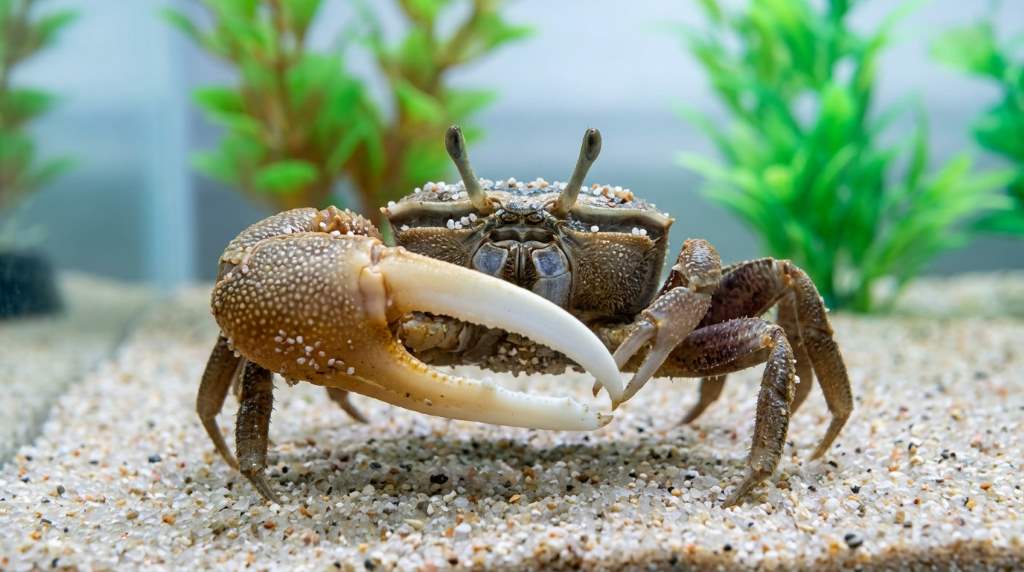
Many people enjoy keeping fiddler crabs because they stay active and display interesting natural behaviors. However, beginners often face unexpected losses within the first few weeks. Studies estimate that poor water quality contributes to more than half of aquarium related animal deaths. Therefore, following a reliable fiddler crab care guide helps prevent common mistakes before they become serious problems. Understanding local conditions also improves survival because Houston’s climate creates unique challenges for captive habitats.
Understanding Why Fiddler Crabs Die So Often
Fiddler crabs rarely die without a reason because several environmental factors affect their health together. Therefore, careful observation helps identify problems before they become fatal. Learning about essential reef aquarium equipment also improves overall habitat stability for aquatic pets.
These crabs naturally live in coastal marshes where tides constantly refresh water and surrounding mud. Consequently, captive environments require similar conditions to support healthy growth. Even small changes can create stress over time.
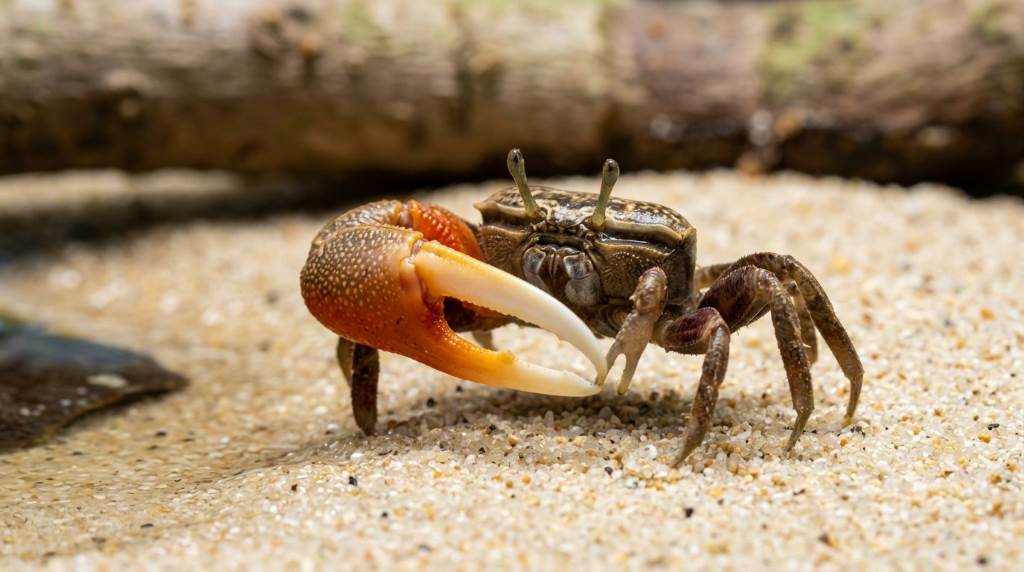
Houston’s Climate Creates Additional Challenges
Houston experiences high humidity and warm temperatures throughout much of the year. As a result, aquarium water warms faster than many owners expect. Higher temperatures reduce dissolved oxygen levels.
Rapid indoor temperature swings also place extra pressure on small aquarium systems. Therefore, stable room conditions remain just as important as water quality. Healthy crabs depend on consistent environments.
Poor Water Quality Causes Serious Health Problems
Water quality remains the leading reason fiddler crabs die in home aquariums. Therefore, regular testing prevents dangerous conditions before they harm your pets. Using a reliable best reef aquarium test kit supports accurate water monitoring even for beginner keepers.
Ammonia builds quickly when leftover food, waste, and dead plant material remain inside the tank. Consequently, toxic compounds damage delicate gills and weaken immune systems. Regular maintenance prevents these dangerous changes.
Nitrite and nitrate levels also increase without proper filtration and water changes. Therefore, testing becomes an essential weekly routine instead of an occasional task. Healthy water supports longer lifespans.
Improper Salinity Frequently Leads to Death
Many new owners mistakenly keep fiddler crabs in freshwater. Unfortunately, most species require brackish water instead of completely fresh conditions. Incorrect salinity creates continuous stress.
Marine aquarium salt should replace ordinary table salt because it contains balanced minerals. Therefore, always measure salinity with proper equipment before adding crabs. Consistency matters more than sudden adjustments.
Healthy lighting also supports stable aquatic environments alongside correct water chemistry. Additionally, selecting suitable aquarium LED lights improves visibility while reducing unnecessary stress inside the habitat.
Incorrect Habitat Design Increases Stress
Fiddler crabs spend significant time outside the water in their natural habitats. Therefore, they require both land and shallow water inside captivity. Fully aquatic tanks often cause unnecessary health problems.
Dry resting areas allow crabs to breathe comfortably and display natural behaviors. Consequently, suitable land sections reduce long term stress considerably. Every enclosure should include easy climbing access.
Provide Proper Substrate
Fine sand works better than rough gravel because crabs naturally dig burrows. Additionally, burrowing reduces anxiety and encourages healthier daily routines. Comfortable habitats improve survival rates.
Temperature Problems Shorten Lifespan
Fiddler crabs thrive within stable temperature ranges instead of frequent fluctuations. Therefore, monitor aquarium temperatures every day during seasonal weather changes. Houston homes can warm quickly during summer.
Cold nighttime temperatures also affect smaller tanks faster than larger aquariums. Consequently, reliable heaters and thermometers protect sensitive animals from sudden stress. Stability always supports healthier conditions.
Feeding Mistakes Affect Overall Health
Balanced nutrition strengthens immune systems and supports healthy shell development. However, many owners accidentally overfeed their crabs every day. Excess food pollutes aquarium water rapidly.
Offer small portions containing commercial crab food, algae, vegetables, and occasional protein sources. Additionally, remove leftovers within several hours. Clean feeding habits improve water quality immediately.
Molting Problems Often Confuse Owners
Molting remains a normal part of a fiddler crab’s life cycle. During this period, crabs appear inactive and hide frequently. Disturbing them creates unnecessary stress.
Many people mistake a shed shell for a dead crab. Therefore, examine the enclosure carefully before removing anything. Healthy crabs often remain hidden after molting.
Signs Your Fiddler Crab Is Becoming Sick
Early warning signs help owners respond before conditions become life threatening. Therefore, daily observation remains one of the simplest preventive measures. Small behavioral changes often reveal bigger problems.
- Reduced movement or constant hiding
- Difficulty climbing onto land
- Loss of appetite
- Discoloured shell appearance
- Slow reactions to nearby movement
- Frequent floating or poor balance
Simple Steps to Prevent Future Losses
Healthy routines create long lasting improvements for fiddler crab habitats. Consequently, consistency matters more than expensive equipment. Small habits produce significant benefits over time.
- Test water every week.
- Maintain proper brackish salinity.
- Provide both land and shallow water.
- Keep temperatures stable daily.
- Feed moderate portions only.
- Perform regular partial water changes.
- Clean uneaten food promptly.
- Observe crab behaviour every day.
When You Should Replace Aquarium Water
Regular partial water changes remove harmful waste while preserving beneficial bacteria. Therefore, avoid replacing all aquarium water at once. Gradual maintenance keeps conditions stable.
Most healthy setups benefit from scheduled partial changes every one to two weeks. However, heavily stocked tanks may require more frequent maintenance. Monitoring water parameters guides better decisions.
Conclusion
Most fiddler crab deaths result from preventable environmental problems rather than unavoidable illness. Therefore, focusing on water quality, salinity, habitat design, nutrition, and temperature greatly improves survival. Regular monitoring allows owners to correct small issues before they become serious. Start improving your aquarium today and give your fiddler crabs the healthy environment they deserve.
Frequently Asked Questions
Why do fiddler crabs suddenly die?
Poor water quality, incorrect salinity, or temperature stress usually causes sudden deaths.
Can fiddler crabs live in freshwater?
No, most fiddler crab species require brackish water for long term health.
How often should I change aquarium water?
Perform partial water changes every one to two weeks based on water test results.
Do fiddler crabs need land areas?
Yes, they require dry land because they naturally spend significant time outside water.
What temperature suits fiddler crabs best?
They stay healthiest in stable warm temperatures without sudden daily fluctuations.