
The Financial Benefits of Regular AC Maintenance
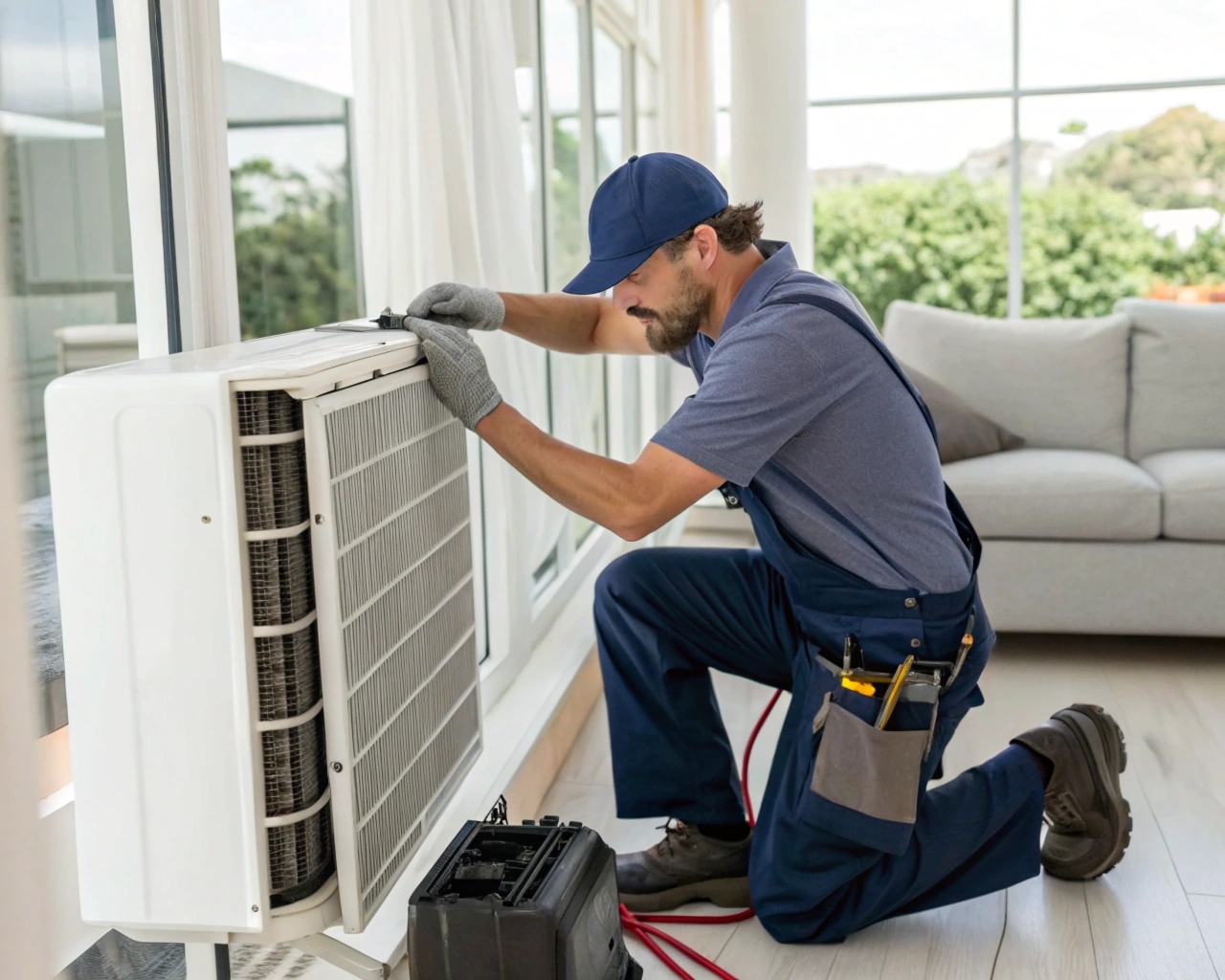
Maintaining your air conditioning system is not only crucial for indoor comfort during hot months, but it is also a strategic decision for your wallet. Regular service for your air conditioning system helps ensure it runs efficiently, preventing energy waste and unexpected costs. Homeowners who prioritize regular upkeep can mitigate costly emergencies and make the most of their HVAC investment.
Proactive maintenance also supports your system’s performance during peak weather, minimizing the risk of breakdowns and keeping your home comfortable without overburdening your budget. Whether you handle basic tasks yourself or call in professionals, keeping your AC in good condition ultimately results in lower utility bills and fewer repair expenses.
Beyond cost savings, maintaining your unit contributes to healthier indoor air, a longer functional lifespan, and consistent home cooling year after year. Simple, routine actions can detect problems early, protecting your home from disruptive failures. If you are considering different types of air conditioners for your home or want to understand best practices for care, knowing the benefits of regular maintenance is essential.
Boosting Energy Efficiency
As your AC system operates, dust and debris accumulate inside, forcing it to work harder than necessary. This increases electricity consumption and leads to higher utility bills. Regular maintenance activities, such as filter replacement or coil cleaning, improve airflow and restore optimal function. The U.S. Department of Energy notes that simple, routine tasks can improve AC efficiency by up to 15%, which is significant given that almost half of an average household’s energy use comes from heating and cooling. Regular air conditioner maintenance is not just about cleaning and replacing parts; it also involves system optimization. An HVAC technician may calibrate thermostats, check electrical connections, lubricate moving parts, and inspect ductwork for leaks or blockages during their visit. These seemingly minor adjustments can result in substantial annual energy savings. Improving energy efficiency is a win-win, ensuring you enjoy reliable cooling while keeping your home’s carbon footprint and monthly costs as low as possible.
Preventing Expensive Repairs
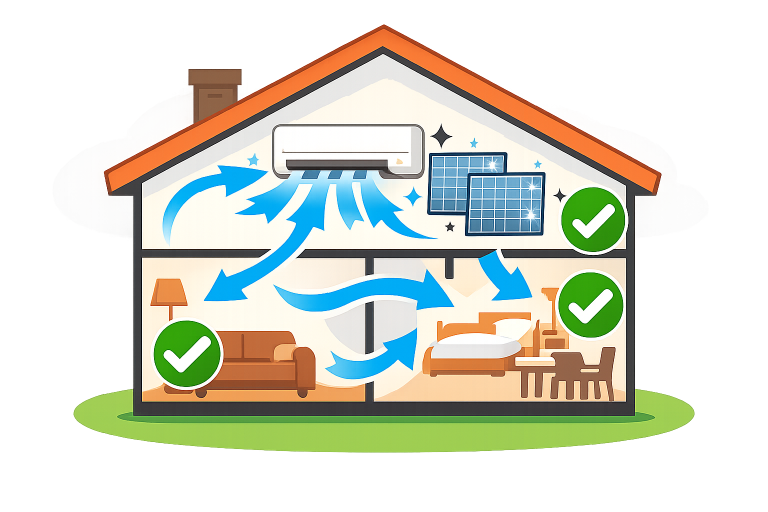
Routine inspections and minor adjustments can stop small problems from becoming costly disasters. For example, replacing a worn belt or topping up refrigerant is much less expensive than fixing a failed compressor. Annual AC maintenance generally costs between $75 and $200, whereas unplanned repairs or part replacements can range from $100 for a minor issue to well over $10,000 for major components or full-system replacements. Preventive care helps you budget predictably and avoid sudden financial surprises.
In addition, professional servicing allows specialists to catch issues such as refrigerant leaks, electrical faults, or failing capacitors before they create more extensive and expensive damage. Many homeowners are surprised at the peace of mind that comes from knowing their system is less likely to fail during the hottest days of summer, when emergency repairs can be both costly and inconvenient. Consistent maintenance also helps you build a relationship with a trusted HVAC provider who understands your system’s unique history and needs.
Extending System Lifespan
Units that receive regular maintenance often last several years longer than neglected systems. A well-cared-for AC can efficiently cool your home for 15 to 20 years, while one that is rarely serviced may fail as soon as 10 to 15 years. By extending the lifespan of your HVAC system, you delay costly replacements and maximize your initial investment. Extending your system’s lifespan also means fewer disruptions to your everyday routine. When your AC runs efficiently, you are less likely to experience the discomfort and inconvenience that come with a sudden failure. Proper maintenance, including seasonal cleaning, lubricating components, and monitoring refrigerant levels, all play a significant role in ensuring your cooling equipment reaches or exceeds its expected service life.
Maintaining Warranty Coverage
Most AC manufacturers require annual servicing as a condition of their warranty agreements. Missing these routine check-ups can make you responsible for the full cost of parts and repairs if something goes wrong. Keeping maintenance up to date protects your warranty, giving you valuable peace of mind and financial security should a covered repair be necessary. It is also important to document every service appointment, whether performed by you or a licensed technician. Saving receipts and maintenance records could be crucial if you need to file a warranty claim. Manufacturers and service providers may require proof of regular care before agreeing to honor your warranty, so staying organized is in your best interest as a homeowner.
Improving Indoor Air Quality
Besides improving efficiency, regular AC maintenance promotes healthier indoor air quality. Clean filters and evaporator coils reduce the circulation of dust, mold, pollen, and other particulates that can lead to allergies or respiratory problems. Developing a routine for air filter changes also decreases the risk of mold growth inside your ductwork. This is essential for maintaining a healthy home environment, especially for vulnerable individuals or those with allergies. To further explore this topic, you may review the EPA’s resources on indoor air quality.
Proper ventilation and regularly maintained air conditioning systems work together to create a healthier indoor environment. Since AC units recirculate air throughout your home, their condition directly impacts the cleanliness and safety of the air you breathe. Homeowners with pets or young children should be especially vigilant, as routine filter replacements and annual professional cleanings help protect loved ones from airborne contaminants year-round.
Recommended Maintenance Schedule
Experts recommend scheduling at least one professional AC maintenance appointment per year, typically in spring before the cooling season begins. This timing prepares your system for peak demand and reduces the likelihood of breakdowns during extreme heat. Additional maintenance, such as regular filter changes or clearing debris around the exterior unit, can be performed more frequently to optimize system performance. Seasonal checklists are especially useful for staying on track with maintenance. Early spring service and mid-summer inspections can help you address different concerns, from basic cleaning to checking refrigerant lines and thermostat operation. By following a consistent maintenance schedule, your cooling system will continue to deliver reliable comfort and efficient performance for years to come.
DIY Maintenance Tips
- Check and replace or clean air filters every one to three months, depending on usage and filter type.
- Keep the area around the outdoor condenser unit clear of leaves, grass, and debris that may impede airflow.
- Ensure supply and return vents inside your home are unobstructed by furniture or rugs for even cooling.
While homeowners can handle basic tasks, professional technicians should conduct in-depth inspections, manage refrigerant, and perform safety checks to ensure comprehensive system health.
You can also visually inspect insulation on coolant lines and look for water pooling around the unit, which could indicate a drainage problem. Listening for odd sounds or monitoring for unusual odors during operation may help you catch emerging issues before they become serious. If you are unsure about anything you notice, do not hesitate to contact a professional who can offer advice and help keep your system running smoothly and safely.
Conclusion
Investing in regular AC maintenance yields significant financial and practical benefits. Lower utility costs, fewer breakdowns, a longer lifespan for your equipment, and preserved warranty coverage all come from consistently caring for your HVAC system. Establishing and following a routine maintenance schedule supports a healthier, more comfortable home and helps protect your financial interests in the long term. Whether you choose to handle some tasks on your own or rely solely on expert help, the key takeaway is consistency. Your comfort and indoor air quality depend on it, and so does the long-term performance of your AC system. Start planning your seasonal maintenance routine today, and enjoy the rewards of an efficient, dependable, and well-maintained home cooling solution. Prevention is always better than cure, especially when it comes to the systems that keep your home safe and comfortable all summer long.