
How to Pick the Best Budget Multitool for Fishing
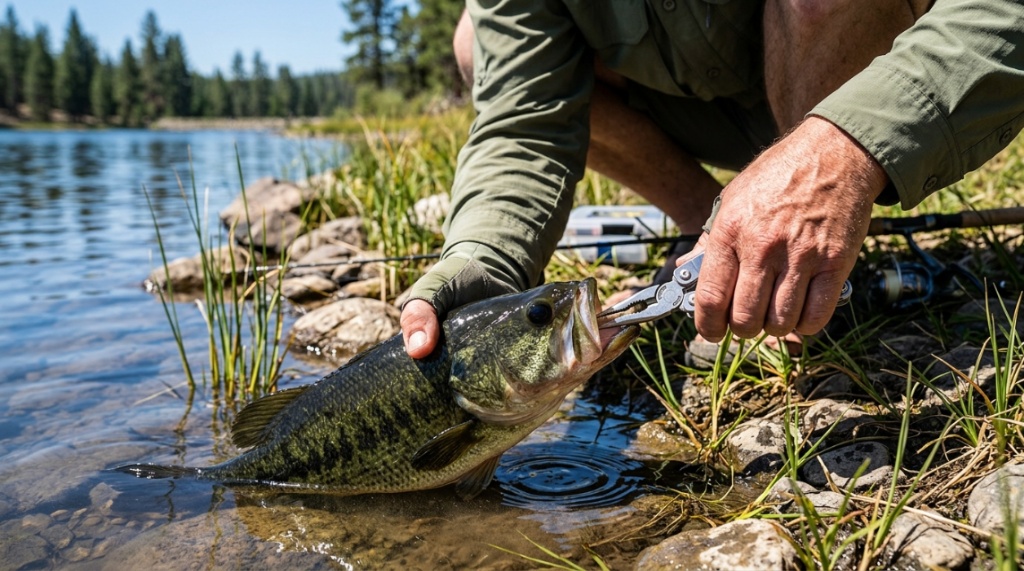
You’re on the bank, a big smallmouth has just swallowed your crankbait deep, and you’re frantically patting your pockets. Your dedicated fishing pliers are back in the truck. Your leatherman is at home. Sound familiar? Every angler has faced that moment of frustration when you need to cut line, crimp a weight, or remove a hook, and you have nothing. The solution isn’t carrying a heavy tool pouch. It’s finding the right budget fishing multitool: a compact, affordable piece of gear that covers 90% of the tasks you face on the water without breaking your wallet or weighing you down. This guide walks you through exactly what to look for, what to avoid, and how to make a smart purchase that will last.
What Makes a Multitool Specifically “Right” for Fishing?
A standard construction multitool is packed with screwdrivers and saw blades you rarely need. A true fishing-oriented multitool prioritizes corrosion resistance, hook removal, and line cutting above all else. The right tool saves you time and prevents lost fish.
Corrosion Resistance Is Non-Negotiable
Saltwater spray, slimy fish guts, and wet hands will destroy cheap steel in a single season. Look for tools made from stainless steel, ideally 420HC or 8Cr14MoV. These alloys offer a good balance of edge retention and rust resistance. Avoid carbon steel entirely. If you fish in saltwater, consider tools with a black oxide or titanium nitride coating for an extra layer of protection against rust.
Must-Have Fishing-Specific Tools
Start with the basics: a sharp, rust-proof pair of pliers with an integrated carbide cutter for braided line and leader material. You also want a set of wire cutters for cutting hooks or split rings in emergencies. Many budget tools now include a hook sharpener and a line threader, which are incredibly convenient for tying knots in low light.
Size and Weight Trade-Offs
A bulky multitool defeats its purpose. You need something that fits comfortably in a pocket, a tackle box side pocket, or a vest pouch. Tools that weigh under 6 ounces are ideal. Anything heavier becomes a burden, especially if you are wading or hiking along a riverbank.
Why Not Just Use Standard Pliers or a Utility Knife?
Carrying separate tools works, but it creates clutter and increases the chance you’ll leave something behind. A multitool consolidates everything into one organized package, ensuring you always have the right tool for the minor but critical tasks that happen repeatedly during a fishing trip.
The Convenience Factor of Having One Tool
Imagine securing your boat, unhooking a pike, and cutting a frayed leader without touching your tackle bag. A multitool clipped to your belt loop or worn on a lanyard gives you instant access. This convenience reduces fumbling and keeps your focus on the water rather than on searching through a cluttered box.
Dedicated Tools vs. All-in-One Solutions
A high-end set of fishing pliers from a tackle brand will always outperform the pliers on a mid-range multitool in terms of gripping power and leverage. However, the multitool gives you secondary functions like scissors for cutting line close to a hook eye, a small file for touching up a dull point, and a pick for clearing mud out of reel parts. For the price of a single quality pair of pliers, you can get a versatile tool that handles many secondary tasks.
Everyday Carry Versatility Beyond Fishing
A good fishing multitool works as a backup for camping, boating, or basic home repairs. This versatility makes the initial purchase cost-effective. It’s one tool that earns its spot in your tackle bag every single time you head out, whether you are targeting panfish, bass, or saltwater species.
Which Features Should You Prioritize on a Tight Budget?
When you are on a budget, you cannot afford to waste money on gimmicks. You need to prioritize durable build quality and the features you will use most often: strong pliers, a reliable blade, and effective cutters. Spending wisely here ensures your tool lasts for years.
Quality of the Pliers and Cutters
The pliers must align perfectly when closed. Gaps indicate cheap manufacturing. The cutters, especially the side cutters for braid, should be sharp enough to cut old, frayed line in one clean snip. Test the spring action; it should be firm but not stiff. If the cutters cannot slice through 50-pound braid without shredding, move on.
Locking Mechanism and Safety
A liner lock or frame lock is essential for safe use. You never want a blade closing on your fingers while cutting a hook out of a fish. On budget tools, liner locks are more common and reliable than slide locks. Check reviews to ensure the lock engages securely and does not slip under pressure.
Handle Ergonomics and Grip
Fishing involves wet, slippery hands. Look for textured rubber or polymer inserts on the handles. Metal-only handles can become dangerously slick. A contoured grip also reduces hand fatigue when you are holding a fish and trying to remove a deeply embedded hook. Even a small amount of texture makes a huge difference in real-world usability.
How to Test Durability Without Spending a Fortune
You cannot test a tool before you buy it online, but you can use simple indicators to predict longevity. Look for tools with screw-together construction rather than rivets. Riveted tools cannot be repaired or tightened, while screw-together models can be lubricated and adjusted over time.
Inspect the Blade Steel and Edge
The blade is the part you will use most for cutting bait, line, and tape. A budget blade made from 3Cr13 is too soft; it will dull rapidly. Aim for at least 5Cr15MoV or 8Cr13MoV. These steels hold an edge reasonably well for light fishing tasks and are easy to sharpen with a simple ceramic rod or diamond stone.
Check for Play in the Hinges and Tools
When you open a multitool, each implement should feel tight. Side-to-side wobble indicates poor tolerances. A wobbly screwdriver can strip a reel screw. A wobbly pair of pliers will slip off a hook. Read Amazon and tackle forum reviews specifically looking for words like “loose,” “wobbly,” or “poor fit.” Avoid any tool with consistent complaints about hinge play.
Evaluate the Sheath or Clip Quality
You will likely carry this tool on your belt or in a pocket. A cheap nylon sheath that rips on the first snag ruins the experience. A deep-carry pocket clip is preferable for anglers who keep the tool in their pocket. Ensure the clip is made of spring steel and is securely attached to the tool frame.
Can a Budget Multitool Handle Large Fish and Heavy Braid?
For light to moderate freshwater fishing—panfish, bass, trout, and walleye—a good budget multitool is perfectly adequate. For heavy saltwater work like tuna or tarpon, you want dedicated, heavy-duty pliers. Know the limits of your gear.
Limitations of Budget Pliers for Large Fish
The pliers on a budget multitool typically lack the long handles needed for maximum leverage. When trying to pry a 5/0 treble hook from a toothy fish, you may not have enough grip strength. In those situations, use the multitool for line cutting and smaller tasks, and rely on a pair of long-handled saltwater pliers for heavy hook removal.
Cutting Capacity for Braid and Fluorocarbon
Most budget tools with carbide cutters can handle up to 65-pound braid easily. Some struggle with 80-pound or heavier. If you fish for pike, musky, or catfish, confirm the cutter rating. Avoid tools that only cut monofilament; braid requires hardened cutters to avoid fraying and jamming.
Corrosion Performance in Saltwater Environments
Even “stainless” steel tools can rust in saltwater if not rinsed. Budget tools often use lower-grade stainless that may show surface pitting after a few trips. To extend the life, rinse the tool in fresh water, dry it thoroughly, and apply a light coat of corrosion inhibitor like WD-40 or a silicone spray after every saltwater trip. A small investment in maintenance pays huge dividends.
What Are the Most Common Mistakes Anglers Make When Buying?
Many novice anglers buy a tool based purely on price or brand recognition without considering their specific needs. This leads to frustration and an early replacement purchase, costing more in the long run.
Buying a Tool with Too Many Unnecessary Gadgets
A multitool with 20 functions sounds impressive, but a saw, an awl, and a can opener are dead weight for a kayak angler. Choose a model with 8 to 12 functions that are actually relevant to fishing. Bloat reduces functionality and comfort.
Ignoring the Need for a Hook Disgorger
Many multitools include a hook disgorger as a separate implement or a feature integrated into the pliers. If you regularly catch fish that swallow hooks, this feature is invaluable. Without it, you will risk injuring the fish or getting poked yourself. A simple notch or groove on the pliers is often all you need.
Choosing Style Over Function
A tool with a bright, flashy finish may look good on a store shelf, but painted finishes chip and flake. Matte, bead-blasted, or stonewashed finishes are more durable and hide scratches. Prioritize a rugged, utilitarian look over aesthetics. The best tool is the one that works reliably, not the one that looks the best in a photo.
Which Brands Offer the Best Value for a Fishing Multitool?
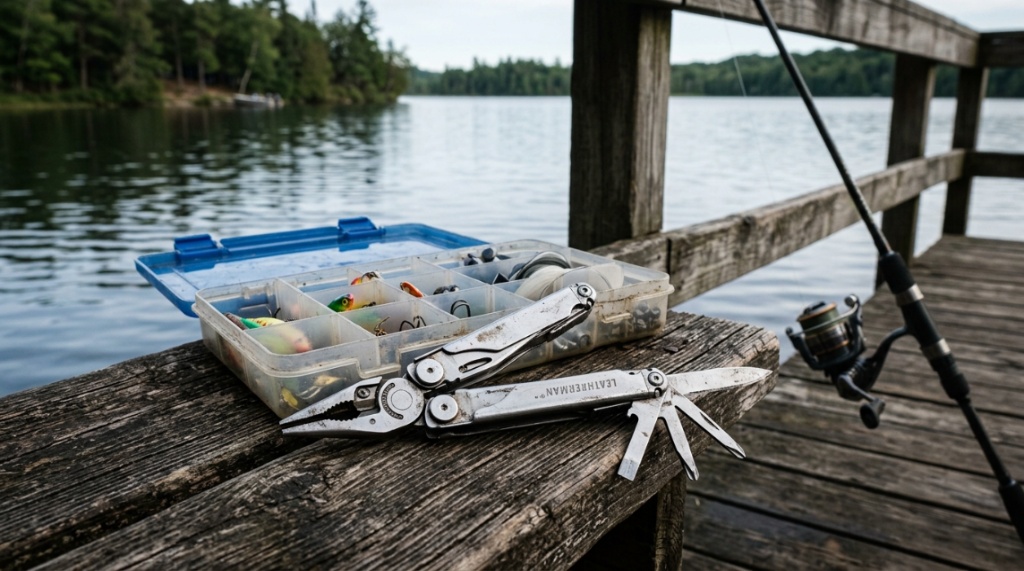
Several brands consistently produce reliable, affordable multitools that meet the specific demands of anglers without pushing premium pricing. You do not need a Leatherman or a Gerber to get excellent performance.
DAUBA and the Fishing Niche
DAUBA makes a popular “fishing multifunction pliers tool” that is an incredible value. It includes a titanium-coated needle nose plier, a retractable line cutter, a hook disgorger, a scaler, and a sharpener, all for a very reasonable price. It is light, compact, and designed specifically for fishing.
Ozark Trail as an Emergency Backup
Ozark Trail offers a dirt-cheap option that works surprisingly well for very light usage. It can cut light monofilament and help with small panfish hooks. It is not durable enough for regular use, but it makes a perfect spare for a glove box or a kid’s tackle box.
SOG’s CrossCut and Higher-End Budget Options
SOG produces the CrossCut, a small gear-driven pliers tool that packs immense cutting power into a tiny package. It is slightly more expensive than the ultra-budget options but offers significantly better build quality and corrosion resistance. It is an excellent choice for anglers who want a durable tool that will last several seasons.
How to Maintain Your Budget Fishing Multitool for Longevity
Even the best budget multitool will fail without basic care. Salt, sand, and fish slime accelerate wear. A simple cleaning routine takes five minutes and can double the lifespan of your tool. Make it part of your post-trip cleanup.
Rinse and Dry Immediately After Use
Hold the tool under warm running water to displace salt and debris. Open all the implements and the pliers to ensure water reaches the pivots. Use compressed air or a towel to blow out excess moisture. Never store a wet tool in a sheath or a dark tackle box pocket.
Lubricate the Joints and Cutters
Apply a drop of lightweight oil, like 3-in-1 oil or a dedicated reel oil, to each pivot point. Work the tools open and closed to distribute the oil. Wipe away any excess. Keeping the cutters lubricated prevents rust and ensures a clean cut every time.
Sharpen the Blade and Cutters as Needed
Use a fine-grit diamond rod or ceramic stone to touch up the blade edge. A few passes at a consistent angle restore performance. For the carbide cutters, avoid sharpening them yourself; they are hard but brittle. If the cutters become dull, check if the manufacturer offers replacement parts or simply plan to replace the tool after a few years of heavy use.
What Is the Single Best Feature to Look for in 2024?
As of 2024, the standout feature for a budget fishing multitool is a set of replaceable carbide cutters. This simple innovation solves the biggest problem with budget tools: the cutting edge dulling after cutting braided line. Being able to swap cutters extends the tool’s life significantly without sending it to a service center.
Why Replaceable Cutters Are a Game-Changer
Standard budget tools have cutters integrated into the pliers head. Once they dull, the entire pliers is compromised. Replaceable cutters are held in by a small screw or pin. You can buy a pack of replacement cutters for a few dollars and restore peak cutting performance in seconds.
Models to Look For
Some budget and mid-range tools from brands like Gerber and some off-brands now offer this feature. When browsing product descriptions, search specifically for “replaceable carbide cutters” or “wire replacement cutters.” This feature is more common in pliers-based multitools than in traditional folder-style multitools,Having the right gear doesn’t mean breaking the bank. Once you master how to catch more fish using affordable fishing gear, pairing your setup with a reliable pocket utility ensures you are always prepared for line snags and quick tackle adjustments.
The Maintenance Advantage
Replaceable cutters simplify maintenance. You no longer need to file or sharpen the cutter. When they stop slicing through 30-pound braid cleanly, just swap them. This feature alone justifies choosing a slightly higher-priced budget tool over the absolute cheapest option.
Frequently Asked Questions
Is a fishing multitool better than standard fishing pliers?
It depends on your needs. A multitool is more versatile and portable, offering additional tools like scissors, a hook sharpener, and a disgorger. Standard pliers provide better grip and leverage for heavy-duty hook removal, especially with large saltwater fish.
Can I use a budget multitool for saltwater fishing?
Yes, but with careful maintenance. You must rinse and dry the tool thoroughly after every trip. Look for models with a corrosion-resistant coating and high-grade stainless steel. Even then, expect surface rust over time. Dedicated saltwater pliers are more durable for frequent salt use.
What is the ideal weight for a fishing multitool?
Aim for between 4 and 7 ounces. Tools under 4 ounces are very light but may lack robust pliers. Tools over 7 ounces become heavy for pocket carry and can drag down a vest or wader pocket. Balance portability with functionality based on your fishing style.
How often should I sharpen the blade?
Sharpen the blade only when you feel resistance while cutting bait or line. For typical weekend fishing, a touch-up every two to three months is sufficient. Frequent sharpening can wear down the blade quickly. Use a ceramic rod for light maintenance.
Do I need a tool with a hook disgorger?
Yes, if you fish for species like trout, catfish, or pike that often swallow hooks. A disgorger allows you to remove a deep hook without injuring the fish. Many budget multitools have this feature integrated into the pliers or included as a separate, fold-out implement.
Can I cut wire leaders with a budget multitool?
It depends on the wire thickness. Most budget tools can cut light single-strand wire (up to about 30-pound test) in the wire cutter notch. For heavy titanium or multi-strand wire, you need specialized cutters. Attempting to cut thick wire can damage the tool’s cutter jaws.
What is the best way to carry a fishing multitool?
The best method is a deep-carry pocket clip attached to your belt loop or inside your pocket. This keeps the tool accessible and prevents it from swinging. A sheath secured to a tackle bag strap is a good alternative. Avoid loose pocket carry where the tool can fall out.