
How Much Is Aluminum Wire Scrap Worth, and Is It Different From Copper?
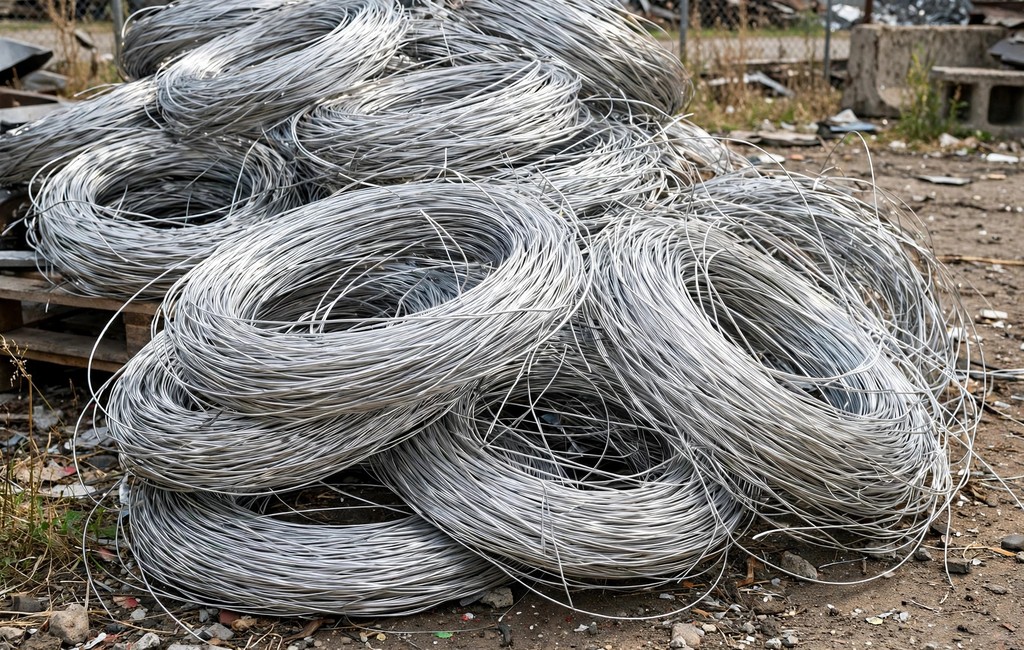
Everyone knows copper wire is worth money. Fewer people realize that the silver-colored wire hanging off old poles and pulled from older homes is a different story entirely.
The aluminum wire scrap price is lower than copper’s, but it can still be worth collecting, especially in volume. This guide explains how bare, insulated, and steel-reinforced aluminum cable are priced, how to tell aluminum from copper, and how to handle wire safely.
What types of aluminum wire are there?
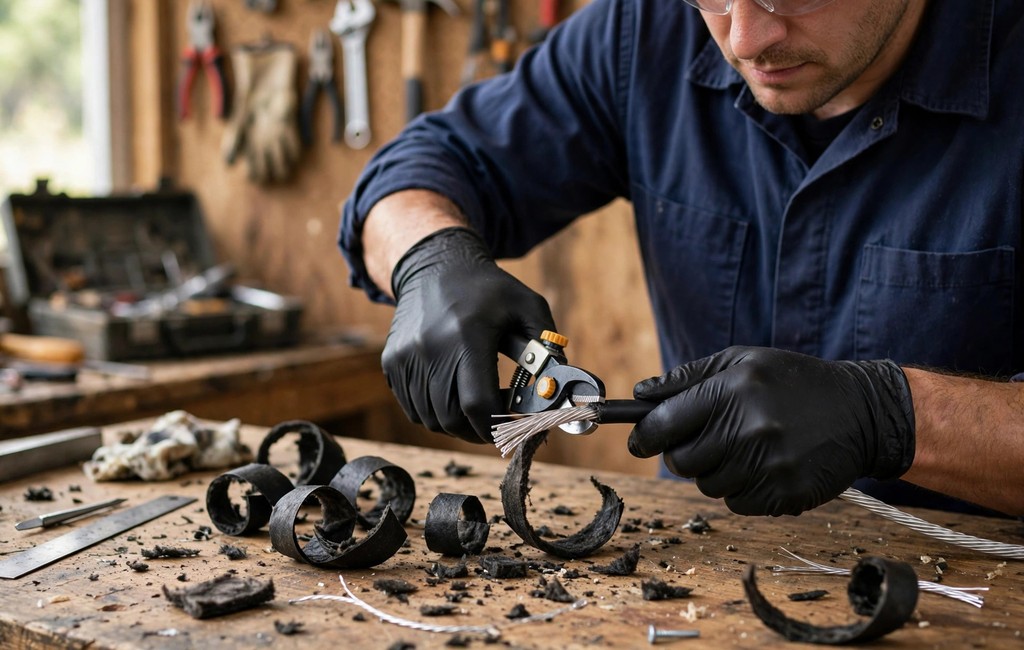
- Bare aluminum wire: Clean, uninsulated wire or cable. It generally earns the best rate in this category.
- Insulated aluminum cable: Wire covered in plastic or rubber, common in service entrance cable and building feeders. Buyers price it lower to account for the insulation.
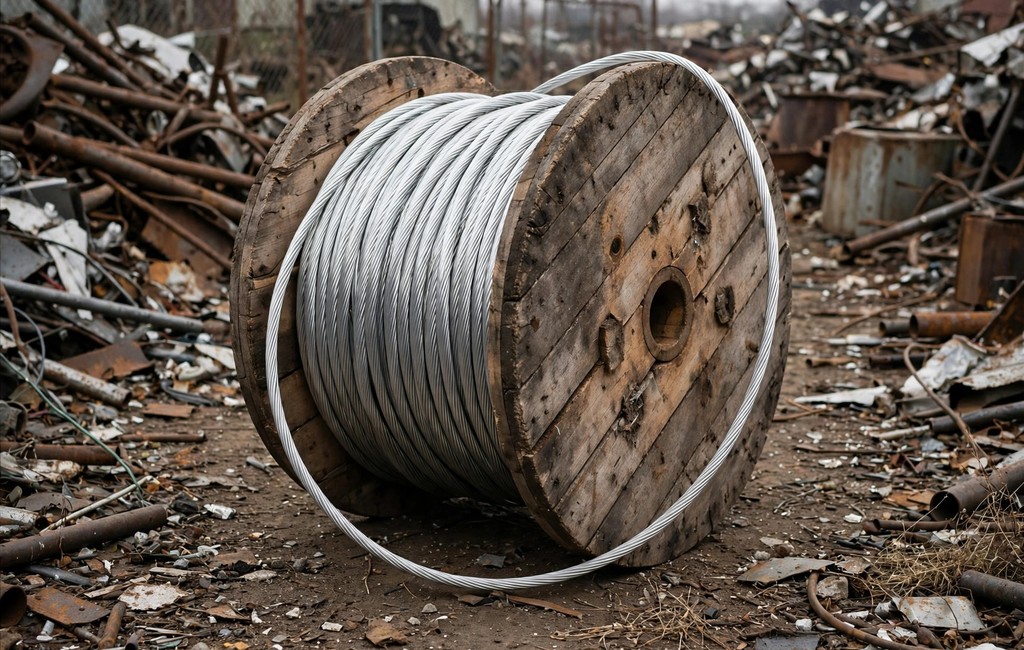
- ACSR: Aluminum conductor steel reinforced, used in overhead power lines. It has a steel core, so it is often priced differently or must be stripped.
- Aluminum building wire: Older homes, mainly from the 1960s and 1970s, sometimes contain it in branch circuits.
Aluminum wire scrap price: what to expect
Aluminum wire pays well below copper wire, typically a fraction of a dollar per pound for clean material, though the figure changes with the market and region. Bare, clean aluminum earns more than insulated cable, which is paid at a lower rate since the buyer has to remove the coating. Yards that post separate rates for each type make it easy to compare.
To estimate your payout, multiply weight by the posted rate. At a hypothetical $0.50 per pound, 100 pounds of clean wire would bring $50. Insulated cable at a lower rate brings less, which is why some sellers strip it themselves when the quantity makes the time worthwhile.
Why do prices vary so much between sources?
Because pages mix categories. Some quote bare wire, others insulated cable, others the aluminum cable with a steel core. Some even quote wholesale aluminum prices rather than what a yard pays. Each figure answers a different question. Choose the posted rate for the exact type you have.
How to tell aluminum wire from copper
- Color: Aluminum looks silver. Copper looks reddish-orange when scratched.
- Weight: Aluminum is dramatically lighter for the same size.
- Magnet: Neither is magnetic, but a magnetic core means ACSR or steel-reinforced cable.
- Markings: Insulation often shows “AL” or “ALUMINUM” printed on it.
- Scratch test: Strip a small spot. If the metal looks silver, it is aluminum. Copper-clad aluminum can show both, so check the cut end.
Safety around electrical wire
Treat any wire as live until you know otherwise. Never cut into wiring in an energized building, and if you are removing wire from walls, hire a licensed electrician. Aluminum branch wiring in older homes can create fire risks at connections and should be evaluated by a professional rather than removed casually. Never take wire down from utility poles or equipment that you do not own, since this is dangerous and illegal.
Also, do not burn insulation off wire. It releases toxic smoke and may break local laws. Use cutters, wire strippers, or a mechanical stripper instead.
How to get more for your aluminum wire
- Separate by type: Keep bare, insulated, and steel-reinforced wire in separate piles.
- Strip when it pays: Long runs of heavy cable can justify a stripping machine. Small amounts rarely do.
- Remove the steel core: ACSR loads are priced better when the steel is separated.
- Keep it dry and clean: Dirt and moisture add weight but may lower the grade.
- Compare yards: Wire rates can differ noticeably between buyers.
Is stripping insulated aluminum cable worth it?
Sometimes. Bare aluminum earns more per pound, but you lose the weight of the insulation, and stripping takes time. Compare the posted insulated rate with the bare rate and decide whether the extra amount covers your effort. For small amounts, selling as is usually wins. For large lots of thick cable, a stripper can pay for itself.
Where to sell aluminum wire
General scrap yards buy aluminum wire and usually post separate rates for bare wire, insulated cable, and mixed aluminum. Utility contractors and electrical demolition crews often sell larger quantities to dedicated metal recyclers, who may pay more for clean, sorted loads and offer container pickup. When you call, ask which categories they use, whether they pay by weight after stripping or on a recovery percentage, and whether they require ID. Bring a few sample pieces if you are unsure what to call them, since a quick look often settles the grade. If you have a steady supply, building a relationship with one buyer can lead to better rates and faster service.
Frequently asked questions
Is aluminum wire worth less than copper wire?
Yes. Aluminum wire pays a fraction of what copper wire does, although it can still add up in volume.
What is ACSR cable?
It is aluminum cable wrapped around a steel core for strength, used in overhead power lines. The steel core affects how buyers price it.
Can I sell insulated aluminum wire?
Yes. Yards buy it at a lower rate than bare wire because the insulation must be removed.
Is aluminum wire in my house dangerous?
Older aluminum branch circuits can cause connection problems. Have a licensed electrician inspect it rather than handling it yourself.
How do I know if wire is aluminum or copper-clad?
Look at the cut end. Copper-clad aluminum shows a thin copper layer around a silver core.
Take the next step
Sort your wire into bare, insulated, and steel-reinforced piles, then call two yards for their current rates on each. Tell us in the comments what kind of wire you are working with and we will help you decide whether to strip it. Subscribe for more practical scrap price guides.