
How to Find a Waterproof Rain Suit Under $100 for Texas
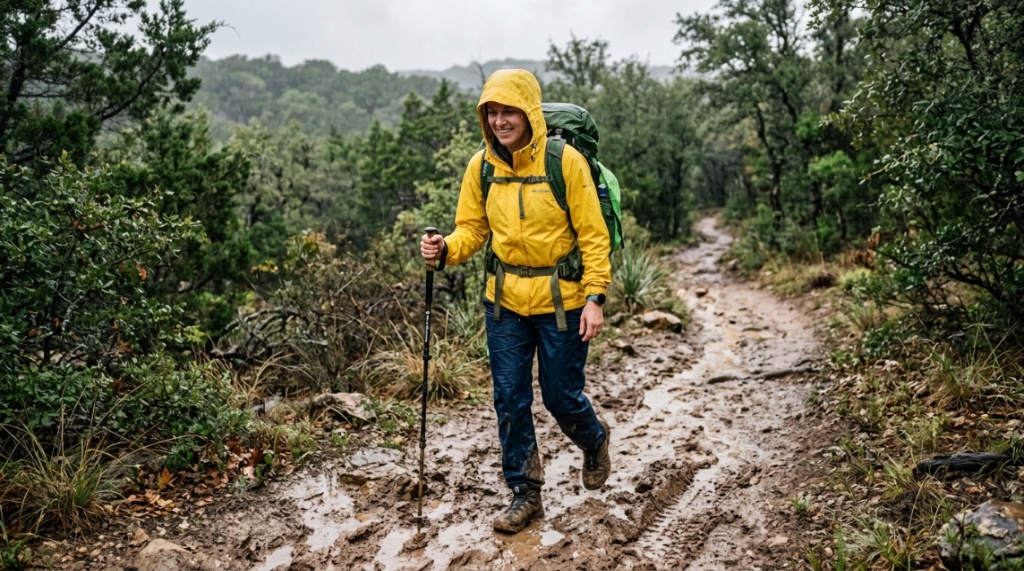
You know the drill. The Texas sky opens up without warning, and within minutes, you’re soaked to the bone—whether you’re on a bass boat, at a construction site, or trying to get from the truck to the store without looking like you went swimming. A cheap poncho won’t cut it, and that “water-resistant” jacket you bought last year is already leaking at the seams. You need a real solution that won’t drain your wallet. The good news? Finding a reliable, fully waterproof rain suit under $100 Texas conditions demand is absolutely possible—you just have to know what to look for and where to compromise.
What Actually Makes a Rain Suit “Waterproof” in Texas Downpours?
Waterproof means no water gets in, period. In Texas, where you can face a humid Gulf downpour in the morning and a dusty West Texas wind by noon, your gear needs to handle more than just rain. It needs to manage sweat, resist tearing, and survive repeated folding in the truck bed. Many budget suits claim waterproofing but only offer water resistance, which fails under pressure.
Understanding Hydrostatic Head Ratings
Look for a hydrostatic head rating of at least 5,000mm. This number tells you how much water pressure the fabric can withstand before leaking. For a sudden Texas thunderstorm, 5,000mm is the minimum; 8,000mm to 10,000mm is even better for sustained rain. Anything below 3,000mm is essentially a fashion raincoat that will fail quickly.
The Difference Between Coated and Laminated Fabrics
Budget suits usually use a PU (polyurethane) coating on the inside of the fabric. This works well initially but can degrade with heat and folding. Laminated fabrics (like 2.5-layer) last longer but cost more. For under $100, look for a quality PVC or heavy-duty PU-coated nylon—it won’t breathe as well, but it will keep you dry in a storm.
Why Texas Humidity Makes Cheap Rain Gear Fail Faster
It’s not just the rain; it’s the heat and humidity. A rain suit designed for Oregon or Washington often becomes a sweatbox in Texas, causing you to soak yourself from the inside out. The key is to find a balance between waterproofing and breathability, which is tricky at a low price point.
Ventilation Features That Matter for Gulf Coast Heat
Look for suits with underarm vents or mesh-lined zippers. These allow heat to escape when you’re moving. Some budget suits offer back vents—a simple slit with a flap that opens during activity. In September and October, these features can make the difference between a tolerable wait and a miserable one.
Why “Breathable” Membranes Are Overhyped in Budget Gear
At the $100 price point, “breathable” membranes often offer poor waterproofing. Avoid cheap ePTFE knock-offs. Instead, choose a non-breathable PVC suit that is cut generously. The extra room allows for air flow, which helps with ventilation far better than a tight-fitting “breathable” fabric that wets out.
How to Choose the Right Material for Your Specific Texas Activity
Your job or hobby dictates the material you need. A bass fisherman needs a suit that can withstand contact with boat rails and hooks. A yard worker needs flexibility and durability against branches. A football coach needs something that can be thrown on over a polo shirt and dry quickly between games.
PVC (Polyvinyl Chloride) Suits: Best for Stationary Use
PVC is 100% waterproof, inexpensive, and tough. It’s perfect for fishing from a bank or standing on the sidelines. The downside? No breathability. If you’re walking to class or working physically, you’ll get clammy. But for pure wet-weather protection, PVC is the most reliable under $100. Look for a 0.35mm thickness for durability.
Polyurethane-Coated Nylon: Best for Activity
This is lighter than PVC and packs smaller. A 300T nylon with PU coating offers decent abrasion resistance and moderate breathability. It’s better for hiking or moving around. However, the coating can break down over time from sweat and constant washing. Check the seams—they must be sealed or taped to be waterproof.
Which Features Are Worth Paying For in a Sub-$100 Suit?
You can’t get every bell and whistle, but you shouldn’t have to sacrifice critical features . Prioritize the ones that affect dryness and convenience. A suit that lacks a storm flap over the front zipper will leak water right onto your chest, even if the fabric is perfect.
Sealed or Taped Seams Are Non-Negotiable
If the seams aren’t sealed, water will seep through the needle holes during a heavy rain. This is the #1 failure point on cheap suits. Always check the product photos or description for “taped seams.” If it doesn’t mention it, assume it doesn’t have it. You can buy seam sealer at a hardware store, but it’s a messy DIY fix.
The Importance of a Two-Way Front Zipper
This feature allows you to unzip from the bottom for easier sitting and leg movement. It also lets you vent heat without opening the top. Many budget suits omit this, using a single-way zipper that bunches up when you sit. For boat seats and truck cabs, a two-way zipper is a game-changer.
Can You Find a Top-Name Brand Rain Suit Under $100 in Texas?
Yes, but you have to be strategic. Major brands like Frogg Toggs, Grundens, and Carhartt often have models that fall under $100, especially if you catch a sale or choose a non-insulated version. It’s rarely about the brand name; it’s about the product line within that brand.
Frogg Toggs: The Budget King
Frogg Toggs are lightweight, packable, and very affordable. Their “Toadz” line is incredibly cheap but less durable. The better option is their “Pro-Lite” series, which often costs just shy of $100. They are NOT meant for heavy brush, but for open water and rural roads, they are excellent and surprisingly breathable for the price.
Carhartt and Grundens: When to Splurge
Carhartt’s “Storm Defender” line sometimes goes on sale below $100. These suits are tough and windproof but not always fully breathable. Grundens, known for commercial fishing gear, have a “Heritage” line that is simple and functional, but you’ll usually pay a bit more. Watch for closeouts and discontinued colors to snag a deal. If you’re looking for a curated list of affordable, field-tested options, check out this detailed review of the best rain suit under $100 Texas anglers actually trust.
How to Properly Size a Rain Suit for Layering
Sizing is the most crucial practical decision. In Texas, you’ll often wear a rain suit over jeans and a hoodie in the spring, or just a t-shirt in the summer. If you buy the size you normally wear, it won’t fit over layers. The general rule is to go one size up if you plan to wear anything more than a thin shirt.
Measuring for the Perfect Fit
Measure your chest and waist while wearing your thickest base layer. Add 4-6 inches to your chest measurement. For the jacket, your arms should be able to reach forward without the cuffs pulling back past your wrists. For the pants, they should fit over your boots, not tucked inside them, unless you prefer a tuck.
The “Bib” vs. “Waist” Pant Dilemma
Waist pants are easier to get on and off but can slide down when you wear them over jeans. Bibs (overalls) offer more coverage and stay in place, but they are hotter and harder to pull on. For under $100, waist pants are more common and work fine for most activities, provided you get a good elastic waistband.
When Is the Best Time to Buy a Rain Suit in Texas?
Timing your purchase can save you significant money. The outdoor retail season peaks in spring and fall. Buying at the end of the season (July or December) yields the best discounts. Also, look for “spring sale” events at big-box stores like Academy Sports + Outdoors, which is a Texas staple.
End of Summer Clearance Deals
During August and September, many stores clear out summer inventory to make room for fall hunting gear. That’s when you’ll find last season’s rain suits at 30-50% off. It’s the perfect time to snag a higher-end suit for under $100 if you can find your size.
Online Versus In-Store Purchasing
Online gives you more options and user reviews. In-store allows you to try it on and feel the fabric. My advice? Do your research online first, narrow it down to 2-3 models, then try those specific models on in the store. This hybrid approach ensures you don’t waste money on a suit that fits poorly.
How to Test Your Rain Suit for Leaks Before the Next Storm
Don’t wait for a cold front to find out your suit leaks. A simple home test can reveal holes or seam failures in minutes. This saves you from a miserable experience on the water or in the field.
The Shower Test
Put the suit on and step into a warm shower for 5 minutes. Check the seams, zippers, and pockets for water penetration. Move your arms and bend over to simulate activity. This will quickly show you if you bought a dud or a winner.
Checking the Seam Tape Integrity
Turn the suit inside out and inspect the seam tape. If it’s peeling, cracking, or missing, the suit is not waterproof. In a new suit, the tape should be smooth and fully adhered to the fabric. If you notice bubbles, return it immediately.
Why “Water-Resistant” Is Never Good Enough for Texas
Words matter on rain gear labels. “Water-resistant” means the fabric will repel light drizzle, but under pressure, water will soak through. “Waterproof” means it won’t. In a Texas downpour, you need the latter. A big misconception is that water-resistant gear is sufficient for a “short walk.” It isn’t when the rain is blowing sideways at 30 mph.
Reading the Product Label Correctly
Look for the term “fully waterproof” and the absence of “resistant” in the technical specifications. Also, check the zipper. If it doesn’t have a waterproof zipper or a storm flap, it’s not fully waterproof regardless of the fabric. Always read the fine print regarding the exact waterproofing standard (e.g., EN 343) if listed.
The Danger of “Wetting Out”
Wetting out occurs when the outer face of the fabric absorbs water and the material loses its breathability. Over time, even waterproof membranes can wet out, leading to condensation inside. For budget suits, this can happen after just a few hours. To mitigate this, choose a dark-colored suit, as dark colors are less likely to show watermarks and often have a more durable water-repellent finish. If you are heading out to the coast or local lakes, make sure your gear stays dry alongside your clothing by choosing one of the fishing tackle storage bags for any fishing trip.
How to Maintain Your Rain Suit to Extend Its Life
Proper care doubles the lifespan of a budget rain suit. The main causes of failure are improper folding, washing with harsh detergents, and storing it wet. A little care goes a long way. Treat your suit like a piece of marine gear, not an old jacket.
Cleaning and Storage Tips
Rinse the suit with fresh water after saltwater fishing trips. Wipe it dry with a towel and hang it up to air out—never store it wet in a bag. Use a gentle soap like Nikwax Tech Wash instead of normal laundry detergent, which can strip the waterproof coating.
Repairing Small Rips and Tears
Invest in a roll of Tenacious Tape or a similar repair patch. For small punctures, clean the area, cut a patch, and apply it with pressure. This is especially important for fishing gear, where hooks and lures can easily snag the fabric. A repaired suit is better than a leaky one.
Frequently Asked Questions
Can I wear a rain suit in the Texas summer without overheating?
Yes, but you need one with ventilation. Choose a PVC suit with a generous cut and use the vents. Also, wear quick-drying synthetic base layers underneath instead of cotton to manage heat and sweat.
Are Frogg Toggs truly waterproof or just water-resistant?
Most Frogg Toggs models are truly waterproof, with sealed seams. However, they are not abrasion-resistant and can tear easily if you brush against thorns or fishing hooks. Treat them gently, and they’ll keep you dry in heavy rain.
What is the cheapest rain suit that actually works?
The classic PVC “orange” construction suits found at hardware stores are often the cheapest at $30-$40 and they are completely waterproof. They lack style and breathability but offer unbeatable reliability for the price.
How long does a budget rain suit last with regular use?
With proper care, a PVC suit lasts 2-3 years. A PU-coated nylon suit may last 1-2 years. The zippers and seam tape are usually the first components to fail, not the fabric itself.
Do I need insulated rain gear for Texas winters?
Usually not. A non-insulated waterproof suit worn over a warm hoodie is more versatile. This layering system works for all Texas seasons, from a 40-degree cold front to an 80-degree spring drizzle.
Can I put a rain suit in the washing machine?
Technically yes, but it’s not recommended. Washing machines can damage the seam tape and coatings. Hand-washing in a tub with cold water and a mild soap is safer. If you must use a machine, use the delicate cycle and cold water only.
What’s the difference between rain pants and chaps?
Chaps are open at the back and typically used for horse riding. For general fishing or yard work, you need full rain pants with a waistband, not chaps.
Final Thoughts on Staying Dry in Texas on a Budget
Finding a waterproof rain suit under $100 in Texas isn’t just about saving a few bucks; it’s about being prepared for an environment that shifts from scorching sun to torrential rain within minutes. Remember to prioritize sealed seams, a good storm flap, and a material that matches your specific activity. Skip the gimmicks and focus on the fundamentals we’ve covered here.
Whether you choose a PVC workhorse or a lightweight nylon suit, the goal is to stay dry, safe, and comfortable. Don’t overpay for a brand name when a mid-range suit with the right features will serve you just as well. Take the time to measure, test, and care for your gear. When the next storm rolls through, you’ll be ready.