
AGU Fall Meeting 2026: Event Schedule, Registration, Key Topics, and Information

Every December, Earth and space scientists from around the world meet in one city. In 2026, that city is San Francisco. The gathering runs from December 7 to 11 at the Moscone Center. The theme is “Where Science Connects,” and organizers expect more than 25,000 people from over 100 countries.
If you plan to attend, you need clear facts. Therefore, this guide covers the schedule, registration, major topics, exhibitors, and travel tips. Additionally, it offers simple advice for first-time visitors. Read on to plan your week with confidence.
Quick Facts About AGU26
Before the details, here is a short summary. This table gives you the basics at a glance.
| Item | Details |
| Event | Annual meeting of the American Geophysical Union (AGU26) |
| Dates | Monday, December 7 to Friday, December 11, 2026 |
| Venue | Moscone Center, 747 Howard Street, San Francisco, California |
| Format | In person |
| Theme | Where Science Connects |
| Expected attendance | More than 25,000 people from over 100 countries |
| Listed daily hours | 9 am to 5 pm |
What Is the AGU Fall Meeting?
The American Geophysical Union has supported science for more than 100 years. Its fall meeting is the largest gathering of Earth and space scientists in the world. Researchers, teachers, students, policymakers, and industry professionals all attend.
The program mixes oral talks, poster halls, town halls, workshops, and special sessions. Moreover, the event brings together fields that rarely meet elsewhere. Field scientists chat with computer modelers. Satellite teams meet ocean experts. Because of this mix, many attendees leave with new partners and fresh ideas.
The meeting also honors leaders in the field. Award and medal ceremonies recognize outstanding work in the geosciences. As a result, the week feels like both a science fair and a celebration.
Event Schedule for December 7–11, 2026
The Week at a Glance
The meeting lasts five days, from Monday to Friday. AGU builds the final program in the fall, so always confirm session times in the official planner. However, the week usually follows a steady rhythm. The table below shows a typical pattern.
| Day | Typical Focus |
| Monday, December 7 | Opening day with early sessions, workshops, and the first poster halls |
| Tuesday, December 8 | Full days of oral talks and posters, plus town halls |
| Wednesday, December 9 | Peak activity in the exhibit hall and the busiest networking events |
| Thursday, December 10 | More sessions, career events, and award programs |
| Friday, December 11 | Final talks, last poster visits, and wrap-up |
Please treat this table as a guide. Exact rooms and times may change, so check the planner before you travel.
How the Sessions Work
Each format serves a different goal. Knowing the difference helps you choose well.
- Oral sessions: Speakers present new results in short talks, followed by questions.
- Poster sessions: Presenters stand beside their work and talk one on one. This format suits detailed questions.
- Town halls: Leaders and agencies update the community and take comments.
- Workshops: Smaller groups learn a skill or tackle a shared problem.
- Special sessions: Invited speakers and panels cover timely topics.
Tips for Building Your Agenda
Thousands of sessions run at the same time. Therefore, you cannot see everything. Use these steps to stay focused.
- Pick three must-see sessions for each day.
- Save backup options in case a room fills up.
- Leave gaps for hallway talks. Many useful chats happen there.
- Schedule time to rest, eat, and recharge.
- Walk the poster halls early in the week, when energy runs high.
In addition, plan your own presentation time first. Then add everything else around it.
Registration and Housing
Key Dates and Deadlines
Registration and housing opened on August 25. That date applied to attendees, press, and exhibitors alike. The big deadlines for abstracts have already passed. Still, you can register as a general attendee today.
| Milestone | Date |
| Abstract submissions close | August 5, 2026 |
| Attendee, press, and exhibitor registration and housing open | August 25, 2026 |
| Late-breaking abstract deadline | September 29, 2026 |
| Meeting begins | December 7, 2026 |
| Meeting ends | December 11, 2026 |
How to Register
Registration is simple. Follow these steps.
- Visit the official AGU meeting website and sign in or create an account.
- Choose your registration type, such as attendee, press, or exhibitor.
- Review the fee that matches your membership and career stage.
- Add any events or tickets you want.
- Pay online and save your confirmation email.
Fees usually differ by membership status and career stage. Students and early-career scientists often pay less. For this reason, check the current price list on the official site before you buy. In addition, register early. Early planning gives you more choices for hotels and flights.
Booking Your Hotel
San Francisco hotels fill up fast in December. Therefore, book soon. AGU offers a housing option through its registration process. Official booking helps you avoid scams and fake sites. Meanwhile, you can compare nearby hotels to find the best price. Rooms near the Moscone Center save you time and transit costs.
Key Topics and Research Themes
The scientific program covers the whole Earth system and the space around it. The sections below highlight the main areas you will see.
Climate and Atmospheric Science
Climate dynamics sit at the heart of the meeting. Researchers share new findings on warming trends, extreme weather, and air quality. Additionally, many talks explore how scientists can improve climate models. Expect plenty of discussion about solutions as well as problems.
Oceans, Ice, and Water
Ocean scientists present work on sea level, marine heat waves, and ocean currents. Ice researchers cover glaciers and polar regions. Meanwhile, hydrology sessions look at rivers, groundwater, floods, and droughts. These topics matter greatly to coastal cities and farming regions.
Solid Earth and Natural Hazards
Geophysics remains a core strength of the meeting. Scientists discuss earthquakes, volcanoes, landslides, and tsunamis. Moreover, they share better ways to forecast and prepare for disasters. Because California faces seismic risk, these sessions feel especially relevant in San Francisco.
Planetary Science and Space Physics
Space science draws large crowds. Sessions cover planetary atmospheres, other worlds in our solar system, and the Sun. Heliophysics teams explain how solar activity affects Earth. Furthermore, mission teams often share early results from spacecraft and instruments.
Data, Remote Sensing, and Modeling
Modern Earth science depends on data. Satellites, sensors, and supercomputers produce huge amounts of information. Therefore, many sessions focus on tools that turn data into knowledge. Expect talks on remote sensing, computer models, and new methods for handling large datasets.
Policy, Education, and Community
Science does not stop at the lab door. Town halls and workshops explore science policy, teaching, equity, and the future of research careers. In addition, communicators share ways to explain science to the public. These sessions help scientists make a real-world impact.
Exhibitors and the Exhibit Hall
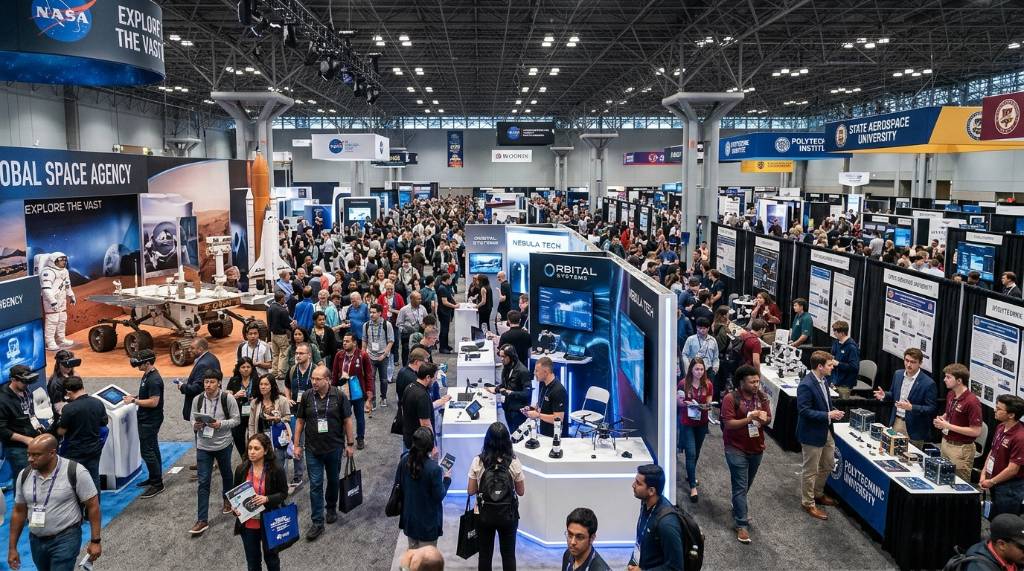
The exhibit hall is a lively place. It lets you meet organizations face to face and test new tools. Exhibitor registration opened on August 25, along with attendee registration. As a result, the list of exhibitors keeps growing. Check the official exhibitor directory for the latest names and booth numbers.
Types of Exhibitors You Can Expect
| Exhibitor Type | What You Can Learn |
| Space agencies and government labs | Mission updates, data portals, and research programs |
| Instrument and sensor makers | New tools for field and lab measurements |
| Software and data companies | Mapping, modeling, and analysis platforms |
| Universities and institutes | Graduate programs, partnerships, and job openings |
| Publishers and societies | Journals, books, and publishing advice |
| Nonprofits and education groups | Outreach resources and classroom materials |
Tips for Visitors
- Make a short list of booths to visit before you arrive.
- Bring business cards or a digital contact code.
- Ask about demos, since many vendors show their products live.
- Visit during quieter hours if you want longer chats.
- Collect free resources, but travel light.
Tips for Exhibitors
A good booth draws people in. Keep your message short and clear. Additionally, train your staff to start friendly conversations. Offer a small demo or a quick activity. Finally, follow up with every lead within a week.
Attendee Information
Getting to San Francisco
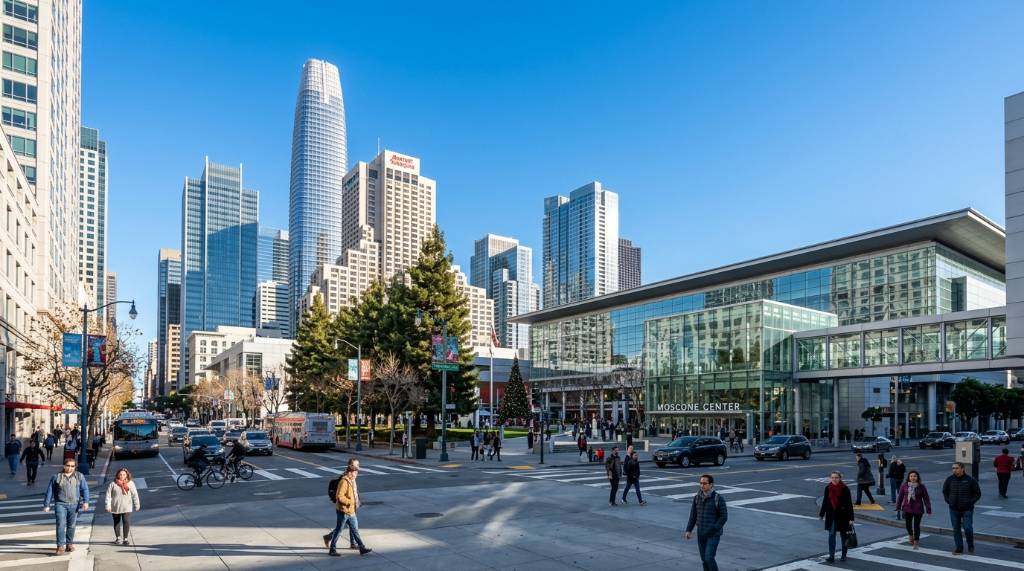
Most visitors fly into San Francisco International Airport. From there, the BART train runs straight into downtown. The Moscone Center sits in the SoMa district, close to Yerba Buena Gardens. Several BART and Muni stops lie within a short walk. Therefore, you do not need a car. In fact, parking downtown is costly and limited.
Weather and What to Pack
December in San Francisco is cool and sometimes rainy. However, the weather stays mild compared with many cold regions. Pack layers so you can adjust through the day. Convention halls can feel chilly or warm, depending on the crowd.
Here is a simple packing list.
- Comfortable walking shoes
- A light rain jacket and a sweater
- A refillable water bottle
- A portable phone charger
- Business cards and your registration confirmation
- A reusable bag for posters, flyers, and snacks
Tips for First-Time Attendees
Your first visit can feel huge. Do not worry. Start small and stay flexible.
- Download the mobile app or planner and set reminders.
- Join mentoring and early-career events to meet friendly faces.
- Attend a newcomer orientation if one is available.
- Introduce yourself to speakers after their talks.
- Take notes on ideas you want to follow up on later.
Additionally, remember that everyone started as a first-timer. Most people welcome a polite hello.
Networking and Career Opportunities
Networking drives much of the value at this meeting. You can meet future collaborators, employers, and mentors. Career fairs and mentoring programs add more chances to connect. For this reason, bring a short summary of your work. Practice a thirty-second introduction. Then listen as much as you talk.
Press and Media Attendees
Journalists can register as press. Early registration helps you access briefings and meet researchers. Moreover, many scientists enjoy sharing their stories with reporters. Contact the AGU press team for current media rules and credentials.
Accessibility and Support
AGU works to make the meeting welcoming to all. If you need accommodations, contact the organizers early. Do this before you travel, so they have time to help. Meanwhile, ask the venue about quiet rooms, wheelchair access, and other services.
Smart Budgeting
San Francisco is an expensive city. However, you can save money with a few smart choices.
- Register early and book your room soon.
- Share a hotel room with a colleague, if that works for you.
- Use public transit instead of ride services.
- Eat at nearby cafes and food halls rather than hotel restaurants.
- Ask your university or employer about travel grants.
Conclusion
AGU26 brings the Earth and space science community together from December 7 to 11, 2026, at the Moscone Center in San Francisco. The week offers oral talks, poster halls, town halls, workshops, award events, and a busy exhibit hall. Registration and housing are open, so you can book your place now. In addition, the program covers climate, oceans, hazards, space, data, and policy.
To get the most from AGU Fall Meeting 2026, plan early. Build a flexible agenda, pack for cool weather, and leave time to meet people. Above all, stay curious. The best discoveries often start with a simple conversation.
Frequently Asked Questions
1. When is AGU Fall Meeting 2026?
The meeting runs from Monday, December 7, to Friday, December 11, 2026.
2. Where does the meeting take place?
It takes place at the Moscone Center, 747 Howard Street, in San Francisco, California.
3. Is the meeting in person or online?
The official listings describe the event as in person. Check the AGU website for any added online options.
4. How many people attend?
Organizers expect more than 25,000 attendees from over 100 countries.
5. Is registration still open?
Registration and housing opened on August 25. Visit the official AGU meeting page to confirm current availability and prices.
6. Can I still submit an abstract?
No. The main abstract deadline was August 5, and the late-breaking deadline was September 29. However, you can still attend as a general participant.
7. What is the theme of the meeting?
The theme is “Where Science Connects.”
8. What topics does the program cover?
It covers climate, atmospheric science, oceans, ice, hydrology, geophysics, natural hazards, planetary science, space physics, data science, policy, and education.
9. How do I become an exhibitor?
Exhibitor registration opened with attendee registration on August 25. Visit the official exhibitor page and contact the AGU exhibits team for booth options.
10. What is the best way to get around San Francisco?
Public transit works best. BART and Muni serve the area near the Moscone Center, and many hotels sit within walking distance.