
Gas Chainsaw Buying Guide: 7 Features Smart Buyers Check First
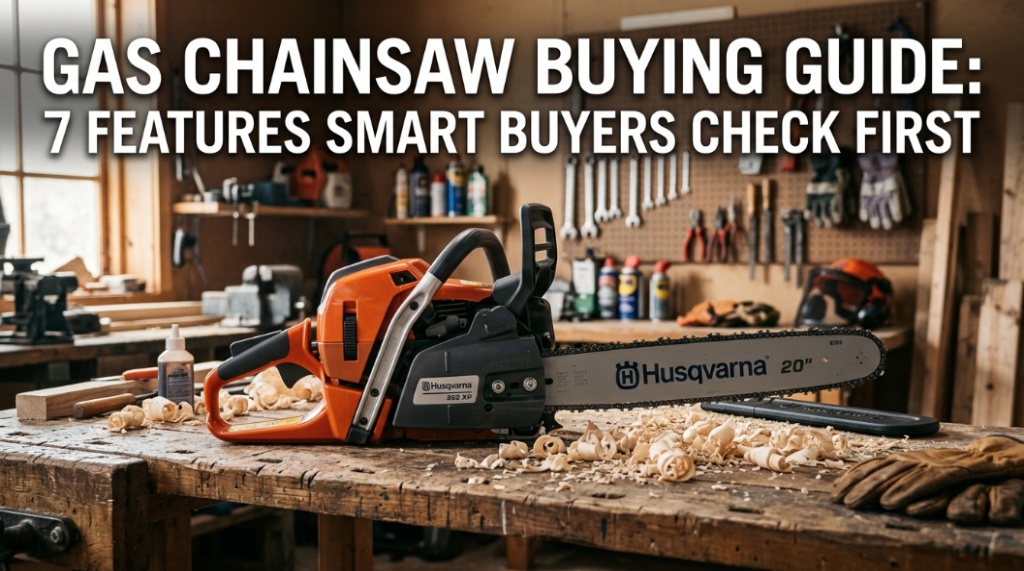
Most buyers focus on engine power first and regret it later. The smartest way to choose a gas chainsaw is to evaluate chain size, safety systems, weight, engine displacement, bar length, vibration control, and maintenance requirements before looking at horsepower. This gas chainsaw buying guide helps you avoid expensive mistakes by comparing the features that directly affect cutting performance, safety, comfort, and long-term ownership costs. Whether you’re trimming backyard trees, cutting firewood, or handling storm cleanup, understanding these factors leads to a better purchase and a safer cutting experience.
What Is a Gas Chainsaw and Why Does Choosing the Right One Matter?
Direct Answer: A gas chainsaw is a portable cutting tool powered by a gasoline engine that drives a rotating chain around a guide bar to cut wood quickly and efficiently.
Gas chainsaws remain the preferred choice for heavy-duty cutting because they deliver consistent power without depending on batteries or extension cords. Homeowners use them for storm cleanup and firewood preparation, while arborists and forestry professionals rely on them for demanding cutting tasks.
The challenge is that many buyers choose chainsaws based solely on brand reputation or engine size. A chainsaw that is too heavy, poorly balanced, or fitted with the wrong chain size can reduce efficiency and increase operator fatigue. According to safety organizations worldwide, chainsaw-related injuries often occur because users operate equipment that is unsuitable for the task.
Understanding chainsaw comparison factors before purchasing helps match the right machine to the intended workload. Buyers who spend time evaluating essential specifications typically enjoy better cutting performance, lower maintenance costs, and improved safety.
Which Chainsaw Size Is Best for Your Needs?
Direct Answer: The best chainsaw size depends on the diameter of the wood you cut most often, with 14–16-inch bars suitable for light work and 18–24-inch bars ideal for larger trees and heavy-duty jobs.
Bar length determines the maximum cutting capacity of a chainsaw. Choosing an oversized bar often makes the saw heavier and harder to control. Choosing one that’s too short limits productivity.
Many homeowners researching outdoor equipment also explore landscaping improvements and cost-effective yard planning. Resources such as professional garden design ideas that fit realistic budgets can help create a more efficient outdoor workspace where chainsaw tasks become easier and safer.
Common Chainsaw Bar Length Recommendations
| Bar Length | Best For | User Type |
|---|---|---|
| 10–14 inches | Pruning, trimming branches | Beginners |
| 14–16 inches | Firewood, yard cleanup | Homeowners |
| 18–20 inches | Medium tree felling | Property owners |
| 20–24 inches | Large hardwood trees | Experienced users |
| 24+ inches | Commercial forestry | Professionals |
For most residential properties, a 16- to 18-inch bar offers the best balance between cutting capacity and maneuverability.
Can a Longer Bar Cut Faster?
Not always. Longer bars require more engine power. If the engine lacks sufficient displacement, cutting speed may actually decrease because the chain loses momentum under load.
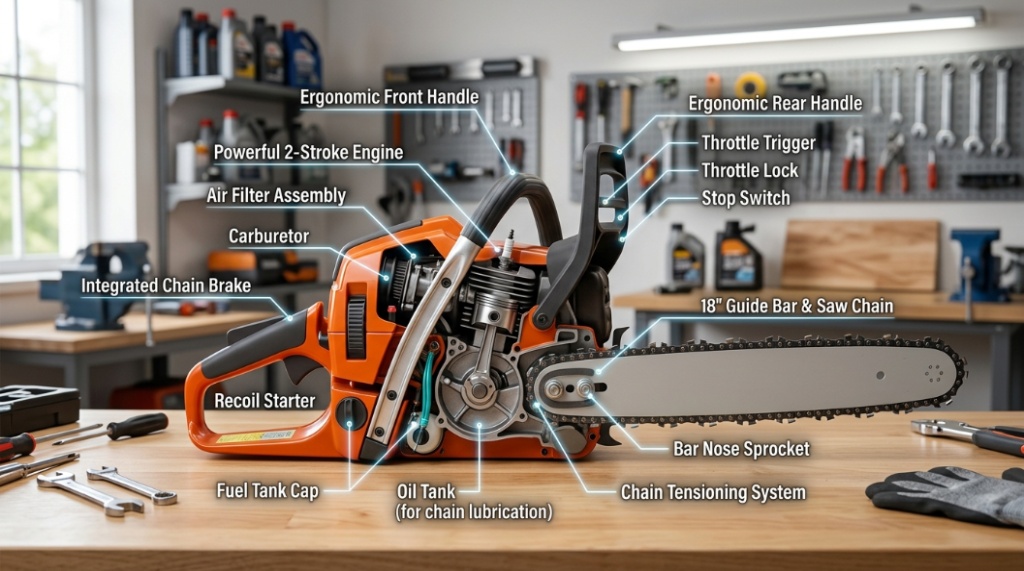
Why Is Chain Size One of the Most Important Buying Factors?
Direct Answer: Chain size determines cutting speed, smoothness, compatibility, and replacement costs, making it one of the most critical chainsaw specifications.
The term “chain size” refers to chain pitch, gauge, and drive link count. These measurements must match the guide bar and drive sprocket.
Understanding Chain Size Components
- Pitch: Distance between chain rivets.
- Gauge: Thickness of the drive links.
- Drive Links: Number of chain teeth engaging the guide bar.
Common chain pitches include:
- 1/4 inch
- .325 inch
- 3/8 inch
- .404 inch
Homeowners typically use .325-inch or 3/8-inch chains because they balance speed and durability. Professional forestry applications often use larger chain configurations for aggressive cutting.
How Does Chain Size Affect Performance?
Smaller chains generally provide smoother operation and require less power. Larger chains remove more material with each pass, increasing productivity when paired with sufficiently powerful engines.
A proper chain size improves:
- Cutting efficiency
- Fuel economy
- Operator control
- Chain longevity
- Safety performance
Which Engine Power and Displacement Should Smart Buyers Choose?
Direct Answer: Most homeowners should choose engines between 35cc and 50cc, while demanding applications often require 50cc to 70cc or more.
Engine displacement (cc) measures cylinder volume and generally indicates power output potential.
Higher displacement engines:
- Cut dense hardwood more efficiently
- Handle longer guide bars
- Maintain chain speed under heavy loads
- Reduce stalling during demanding cuts
However, bigger isn’t always better.
Excessively powerful saws increase weight, fuel consumption, and operator fatigue. Matching engine size to workload produces better overall results.
When maintaining larger properties, waste management becomes equally important. Homeowners often combine tree trimming projects with responsible disposal methods using practical approaches like smart household waste management strategies to keep outdoor spaces clean and sustainable.
Recommended Engine Sizes
| Engine Size | Application |
|---|---|
| 30–35cc | Light trimming |
| 35–45cc | General homeowner use |
| 45–55cc | Firewood processing |
| 55–70cc | Large tree removal |
| 70cc+ | Commercial forestry |
Is More Horsepower Always Better?
No. Balance matters more than maximum output. A well-designed 50cc chainsaw often performs better in everyday situations than an oversized professional model used beyond its intended purpose.
Which Safety Features Should Every Buyer Check Before Purchasing?
Direct Answer: Every chainsaw should include a chain brake, anti-kickback chain, throttle lockout, chain catcher, and effective hand guards.
Safety systems are not optional extras. They are critical components that reduce injury risks.
Essential Chainsaw Safety Features
- Chain Brake: Stops chain rotation during kickback.
- Throttle Lockout: Prevents accidental acceleration.
- Chain Catcher: Protects hands if the chain breaks.
- Front Hand Guard: Shields hands during operation.
- Anti-Kickback Chain: Reduces aggressive chain movement.
Kickback remains one of the most dangerous chainsaw hazards. Modern chain brake systems can stop chain rotation in fractions of a second, significantly reducing injury severity.
What Is Kickback?
Kickback occurs when the upper portion of the guide bar tip contacts wood or another object, causing the chainsaw to rotate violently toward the operator.
Advanced safety technologies cannot eliminate kickback entirely, but they greatly reduce associated risks.
How Important Are Weight and Ergonomics During Long Cutting Sessions?
Direct Answer: Weight and ergonomics directly affect fatigue, cutting accuracy, and overall safety, making them essential factors for both occasional and frequent users.
A chainsaw that feels comfortable in a showroom may become exhausting after an hour of cutting. Ergonomic design affects productivity more than many buyers realize.
Features That Improve Comfort
- Balanced weight distribution
- Rubberized handles
- Anti-vibration systems
- Accessible controls
- Comfortable grip positioning
Professional loggers often emphasize comfort because reduced fatigue improves cutting precision and decision-making.
What Weight Range Is Best?
- Under 10 lbs: Light-duty work
- 10–13 lbs: General homeowner use
- 13–16 lbs: Heavy residential work
- 16+ lbs: Professional applications
Most homeowners find chainsaws between 10 and 13 pounds easiest to manage.
Which Chainsaw Brands Have the Strongest Reputation?
Direct Answer: The most respected chainsaw brands include Husqvarna, Stihl, Echo, Makita, and Poulan, each serving different user needs and budgets.
Brand reputation matters because it affects reliability, service availability, replacement parts, and resale value.
Popular Chainsaw Brands Comparison
| Brand | Known For | Best User Type |
|---|---|---|
| Husqvarna | Professional performance | Property owners, professionals |
| Stihl | Durability and dealer support | All experience levels |
| Echo | Value and reliability | Homeowners |
| Makita | Engineering quality | Advanced users |
| Poulan | Budget-friendly options | Occasional users |
When evaluating different chainsaw brands, comparing warranty support, dealer networks, replacement part availability, and maintenance requirements often provides more value than comparing advertised horsepower figures alone.
Buyers researching regional recommendations can also review detailed comparisons of top-rated gas chainsaws for demanding property maintenance tasks to understand how different models perform under real-world conditions.
Should You Buy Based on Brand Alone?
No. The best chainsaw is the model that matches your workload, budget, and experience level. Even premium brands offer entry-level and professional-grade options with significant differences.
How Do Maintenance Requirements Affect Long-Term Ownership Costs?
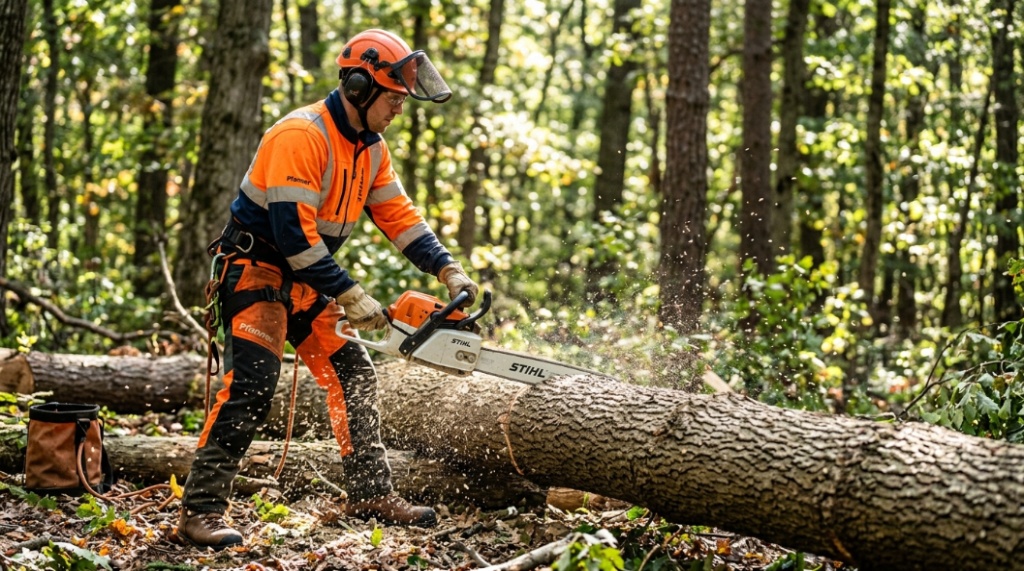
Direct Answer: Maintenance requirements directly influence reliability, fuel efficiency, repair expenses, and service life.
Many buyers overlook maintenance during the purchase process. Yet long-term ownership costs often exceed initial purchase price differences.
Routine Maintenance Tasks
- Chain sharpening
- Air filter cleaning
- Spark plug inspection
- Fuel system maintenance
- Guide bar cleaning
- Chain tension adjustment
Modern gas chainsaws often include tool-free tensioning systems and easy-access filters that simplify maintenance procedures.
How Often Should a Chain Be Sharpened?
Sharpen whenever cutting performance decreases, chips become dusty, or additional pressure is required. Frequent light sharpening typically extends chain life better than infrequent aggressive sharpening.
What Is the Best Gas Chainsaw Buying Strategy for Most Homeowners?
Direct Answer: Most homeowners benefit from a mid-range 35cc–50cc chainsaw featuring a 16–18-inch guide bar, modern safety systems, manageable weight, and strong parts availability.
Instead of chasing maximum power, prioritize balance. Consider your typical cutting tasks, physical comfort, maintenance commitment, and local dealer support.
Before purchasing, create a checklist covering:
- Chain size compatibility
- Bar length requirements
- Engine displacement
- Safety features
- Weight and ergonomics
- Brand support
- Maintenance accessibility
This approach prevents overspending while ensuring you buy a chainsaw capable of handling current and future projects efficiently.
Conclusion: Which 7 Features Should Smart Buyers Always Check First?
The smartest chainsaw buyers evaluate seven factors before making a purchase: chain size, guide bar length, engine displacement, safety systems, weight, brand reputation, and maintenance requirements. Together, these features determine cutting performance, operator comfort, long-term durability, and overall value.
Rather than focusing solely on horsepower or marketing claims, match the chainsaw to your actual workload. A properly sized and well-balanced machine delivers safer operation, cleaner cuts, lower maintenance costs, and greater satisfaction over time.
Property owners who invest in landscaping improvements often combine tree maintenance with ground-cover solutions such as low-maintenance lawn alternatives for attractive outdoor spaces, creating outdoor environments that are easier to maintain throughout the year.
Use this buying guide as your checklist before comparing models. By understanding what truly matters, you’ll avoid costly mistakes and select a gas chainsaw that performs reliably for years to come.
Frequently Asked Questions About Gas Chainsaw Buying
What chain size should I choose for a homeowner chainsaw?
Most homeowners use .325-inch or 3/8-inch chain pitch because these sizes provide an excellent balance of cutting performance, smooth operation, and replacement availability.
Is a 20-inch chainsaw too large for residential use?
Not necessarily. A 20-inch chainsaw works well for larger properties and mature trees. However, many homeowners find 16- to 18-inch models easier to handle for routine tasks.
Which chainsaw brands are considered most reliable?
Husqvarna, Stihl, Echo, and Makita consistently rank among the most reliable chainsaw brands due to strong engineering, dealer support, and replacement part availability.
How much engine power does a homeowner need?
A chainsaw between 35cc and 50cc provides sufficient power for firewood cutting, storm cleanup, pruning, and general property maintenance.
What safety feature is most important on a chainsaw?
The chain brake is one of the most important safety features because it rapidly stops chain movement during kickback events, reducing injury risk.
How often should chainsaw chains be replaced?
Chain lifespan depends on usage and maintenance. A properly sharpened and maintained chain can last through multiple sharpening cycles before replacement becomes necessary.
Are gas chainsaws better than battery chainsaws?
Gas chainsaws typically provide longer runtime and greater cutting power for demanding tasks. Battery models offer quieter operation, lower maintenance, and convenience for lighter workloads.