
Electric Vehicles for Everyday Drivers: A Practical Guide
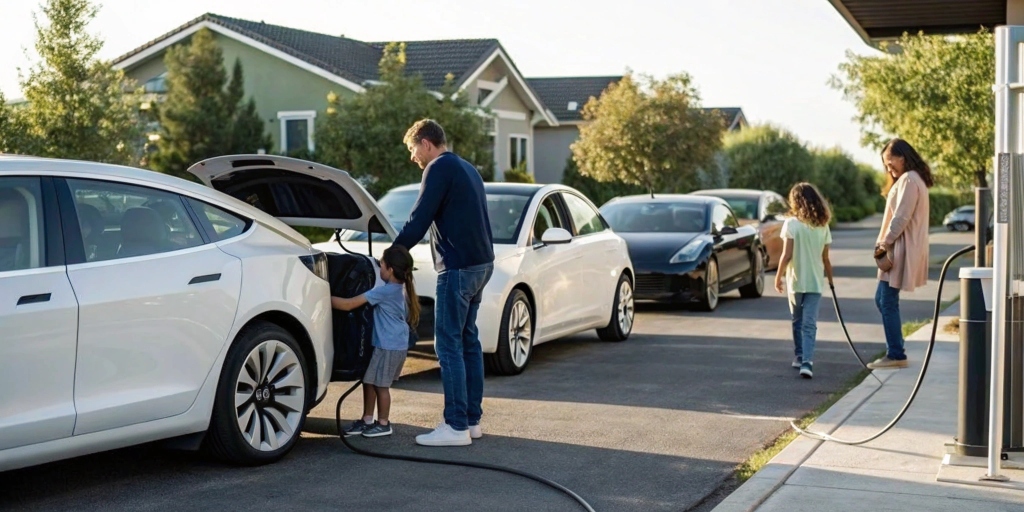
Electric vehicles (EVs) are no longer a futuristic concept. They are a practical and attractive option for everyday drivers, combining cost-effectiveness, sustainability, and modern driving technology. Technological advancements and improved infrastructure have made EVs not only more accessible but also easier to own and maintain. To get a deeper understanding of the latest EV innovations, Learn more about what today’s electric vehicles can offer.
Choosing an EV now offers a range of benefits that extend beyond environmental benefits. Drivers enjoy a quiet, smooth ride and lower costs throughout vehicle ownership. Meanwhile, society benefits from cleaner air and reduced greenhouse gas emissions. Whether you are commuting to work or planning weekend getaways, modern EVs can fit seamlessly into your life.
As more automakers enter the electric vehicle marketplace, pricing is becoming increasingly competitive. Charging options have multiplied, and large-scale infrastructure investments mean that charging at home or on the go has never been more convenient. With incentives available from multiple government sources, now is an ideal time for drivers to consider making the switch.
For a comprehensive look at what electric mobility means for the future, explore recent insights from Yahoo News on how EVs are revolutionizing transportation.
Affordable EV Options
Recent years have seen an increase in the availability of budget-friendly electric vehicles suitable for daily driving. The Chevrolet Bolt EV, for instance, delivers over 250 miles of range on a single charge and is priced competitively among compact cars. Hyundai’s Kona Electric is another standout, offering an estimated range of 258 miles. Both models prove that quality, affordable EVs are attainable for most drivers, bridging the gap between great performance and everyday affordability.
In addition to these options, many manufacturers like Nissan, Kia, and Volkswagen have entered the EV segment with models such as the Nissan Leaf, Kia Niro EV, and Volkswagen ID.4. These vehicles all provide reasonable ranges, advanced safety features, and competitive pricing, giving consumers more choice than ever before.
Charging Infrastructure
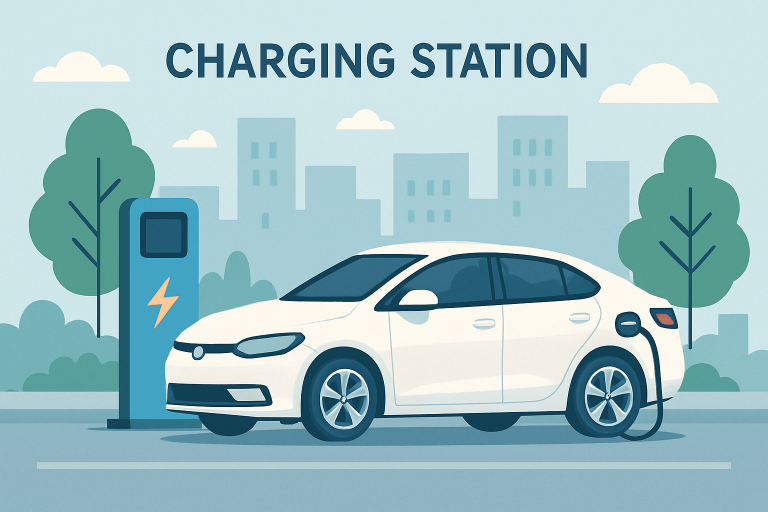
The growth of public and private charging stations has been a game-changer for electric vehicle adoption. Public charging networks are now commonly found at retail centers, office complexes, and along highways, making it easier to recharge while running errands or traveling. Additionally, most EV owners install a home charging system, which allows their vehicles to “refuel” overnight. Advances in charging technology have also led to faster charging times and improved compatibility across different vehicles and chargers.
Government and private sector investment in charging infrastructure continues to expand. According to the U.S. Department of Energy, there are now over 50,000 public EV charging stations nationwide, ensuring that drivers in both urban and rural areas have convenient charging options.
Cost Savings
Switching to an electric vehicle can provide significant financial benefits throughout ownership. Electric cars require less maintenance than gasoline-powered vehicles because they have fewer moving parts, no oil changes, and regenerative braking that reduces brake pad wear. In addition, electricity costs a fraction of what gasoline does, leading to noticeable fuel savings over time. Research from Consumer Reports demonstrates that EV owners can potentially save thousands of dollars in total ownership costs over a car’s lifetime compared to traditional gas SUVs or sedans.
Many utility providers also offer discounted electricity rates for overnight EV charging, further optimizing the ownership experience and reducing operational costs.
Environmental Impact
Driving an electric vehicle greatly reduces your carbon footprint. EVs produce fewer direct emissions than conventional vehicles, particularly when charged with electricity from renewable sources. As the share of clean energy in national power grids grows, the environmental benefits of EVs become even more significant. Many city and state governments are working towards cleaner power generation, contributing to the reduction of greenhouse gas emissions on a broad scale.
Besides reducing tailpipe emissions, the adoption of electric vehicles also reduces noise pollution. The quieter operation of EVs makes urban and suburban environments more pleasant and less stressful for residents and pedestrians alike.
Driving Experience
Electric vehicles offer a responsive and enjoyable driving experience. The nearly instantaneous torque of electric motors results in brisk acceleration and a smooth, seamless ride. EVs also run quietly, delivering a peaceful driving atmosphere even on busy streets or highways. Many models come equipped with advanced safety features and driver assistance technologies, enhancing comfort and confidence for drivers transitioning from traditional cars.
Overcoming Range Anxiety
Range anxiety, or the fear of running out of battery charge, is becoming less relevant as EV battery performance improves and charging infrastructure expands. Modern electric vehicles are typically designed to meet or exceed the daily driving ranges of most Americans. With ongoing investment in fast-charging stations and real-time navigation apps that locate nearby chargers, drivers can plan longer journeys with ease and peace of mind.
Government Incentives
Multiple federal, state, and local programs offer financial incentives to boost EV adoption. Federal tax credits can reduce the upfront cost by thousands, and many state governments provide additional rebates and perks such as reduced vehicle registration fees or access to special lanes. Some cities are even considering free parking or priority parking spaces for electric vehicle owners, making the decision to buy an EV even more appealing.
Conclusion
Electric vehicles are a compelling option for everyday drivers. With practical, affordable models, an ever-expanding network of charging stations, and considerable financial and environmental benefits, making the switch has never been more attainable. Government incentives and ongoing technological innovations further improve the case for EV adoption. As society moves toward sustainable transportation, now is an excellent time to consider how an EV can fit into your lifestyle.