
How to Cut Thick Branches Without Damaging Healthy Trees
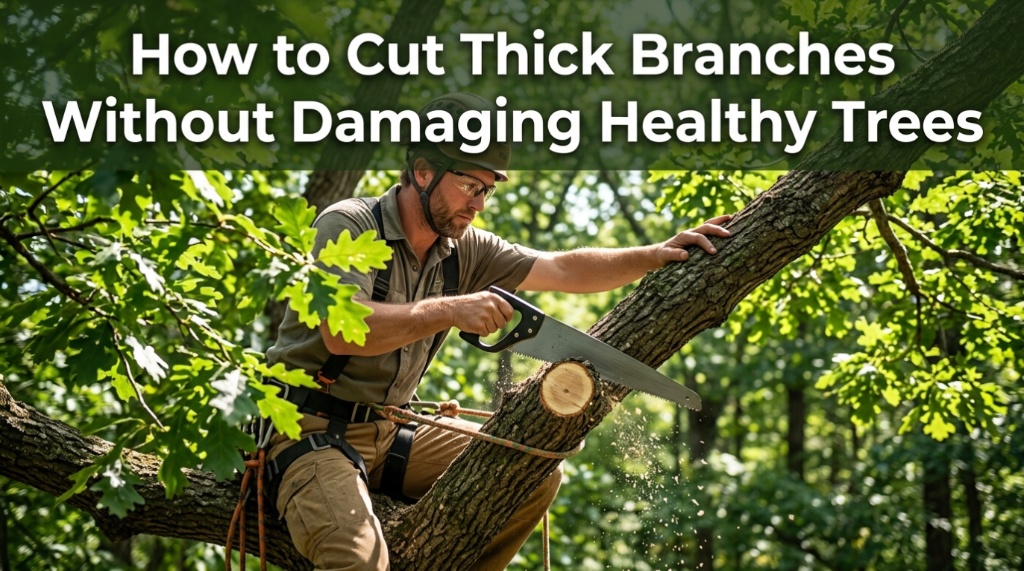
Most tree damage doesn’t happen during storms—it happens during a five-minute pruning job that seemed harmless at the time. The safest method for cutting thick branches safely is using the proper three-cut pruning technique, making cuts outside the branch collar, and using sharp tools that prevent bark tearing and unnecessary stress on the tree. When thick limbs are removed incorrectly, trees become vulnerable to decay, pests, fungal infections, and structural weakness that can last for years.
If you’ve ever watched a heavy branch split unexpectedly and peel bark down the trunk, you already know how quickly a simple pruning task can turn into permanent tree damage. Many homeowners remove large branches without understanding branch weight, proper cut placement, or seasonal timing. The result is often slow healing, weakened growth, and costly corrective pruning later. Learning the right approach protects both the tree’s health and your safety.
This guide explains exactly how to remove large limbs correctly, which tools work best, when to prune, and how to avoid the mistakes that damage otherwise healthy trees.
What Is the Safest Way to Cut Thick Branches Without Harming a Tree?
Direct answer: The safest way is to use the three-cut method, remove branches outside the branch collar, and avoid flush cuts that damage natural healing tissue.
Tree professionals rely on a proven technique called the three-cut method because it prevents bark stripping and reduces stress on the trunk. Large branches are heavy. As they fall, their weight can tear bark and expose large wounds if removed incorrectly.
Before beginning any pruning project, it’s helpful to understand how cutting equipment affects results. Choosing the right saw can make cleaner cuts and reduce tree stress, especially when removing larger limbs. This detailed gas chainsaw buying guide explains important considerations when selecting tools for demanding cutting tasks.
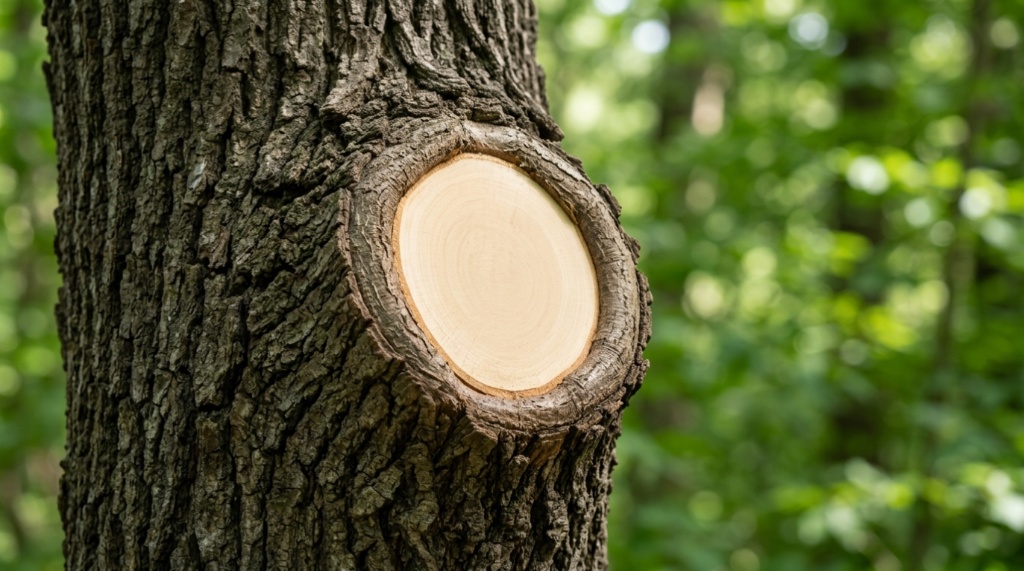
The key principle is preserving the branch collar—the slightly swollen area where the branch joins the trunk. This tissue contains specialized cells that help seal wounds naturally.
- Never cut flush against the trunk.
- Leave the branch collar intact.
- Use sharp pruning tools.
- Remove weight gradually.
- Make smooth, clean cuts.
- Avoid crushing bark or wood fibers.
Proper pruning allows the tree to compartmentalize wounds and minimize decay development.
Why Does Improper Branch Removal Damage Healthy Trees?
Direct answer: Incorrect cuts create larger wounds, expose wood to pathogens, increase decay risk, and slow the tree’s natural healing process.
Trees cannot heal like human skin. Instead, they isolate injured tissue through a biological process known as compartmentalization. When cuts are too large or placed incorrectly, this defense system becomes less effective.
Common damage caused by improper pruning includes:
- Bark tearing down the trunk
- Fungal infection entry points
- Wood decay development
- Insect infestation risks
- Sunscald exposure
- Structural instability
- Delayed wound closure
Research from arboriculture studies consistently shows that proper pruning cuts close significantly faster than flush cuts or torn wounds. Healthy wound closure reduces opportunities for disease-causing organisms to enter exposed wood.
Large pruning wounds also force trees to redirect energy toward recovery instead of normal growth, flowering, fruit production, or root development.
How Does the Three-Cut Method Work for Cutting Thick Branches Safely?
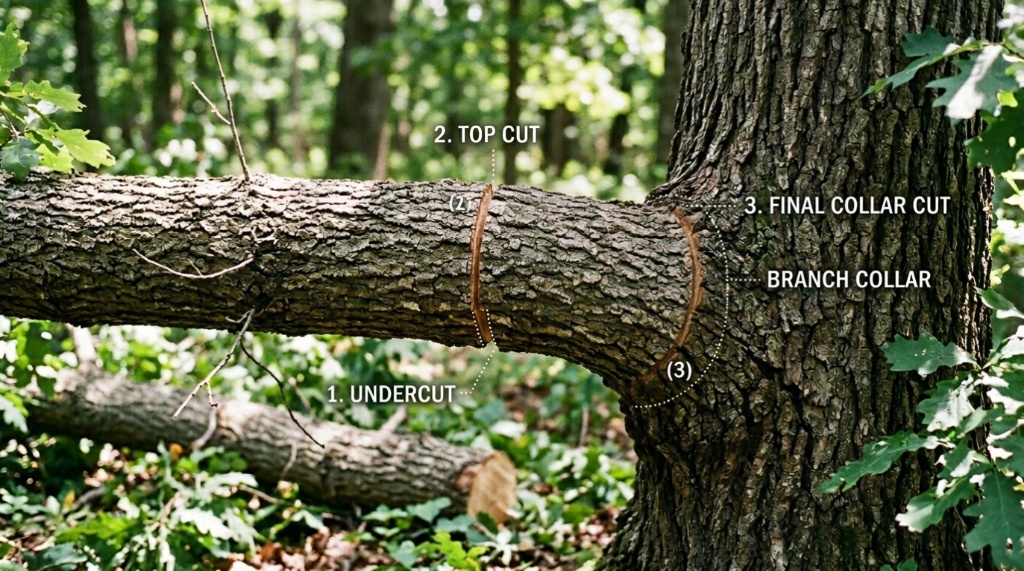
Direct answer: The three-cut method removes branch weight gradually, preventing bark stripping and protecting the branch collar.
This technique is widely recommended by certified arborists and tree care professionals.
Step 1: Make an Undercut
Create a shallow cut on the underside of the branch approximately 12–18 inches from the trunk.
- Cut upward about one-third of branch thickness.
- Stop before reaching the top surface.
- This prevents bark from tearing downward.
Step 2: Remove the Branch Weight
Move several inches farther from the trunk and cut completely through the branch from the top.
- The branch falls away safely.
- Weight is removed before the final cut.
- The trunk remains protected.
Step 3: Make the Final Pruning Cut
Cut just outside the branch collar.
- Do not damage collar tissue.
- Avoid leaving excessively long stubs.
- Create a clean, smooth finish.
This process dramatically reduces injury risk and encourages faster wound closure.
Which Tools Are Best for Removing Thick Tree Branches?
Direct answer: Pruning saws, pole saws, loppers, and chainsaws are the most effective tools depending on branch diameter and height.
Using the right tool improves safety and produces cleaner cuts.
Tool quality matters as much as technique. Homeowners often achieve better results when they invest in durable cutting equipment rather than low-quality alternatives. Understanding how to choose affordable tools that deliver professional-level performance can help reduce maintenance issues and improve cutting efficiency.
| Tool | Best Branch Size | Advantages | Limitations |
|---|---|---|---|
| Hand Pruning Saw | 2–8 inches | Precise cuts | Requires manual effort |
| Loppers | Up to 2 inches | Fast trimming | Limited capacity |
| Pole Saw | 2–6 inches | Reach high branches | Less control |
| Gas Chainsaw | 6+ inches | High cutting power | Requires experience |
| Battery Chainsaw | 4–10 inches | Quiet operation | Battery limitations |
For many homeowners, a high-quality pruning saw remains the best choice for precise branch removal because it minimizes accidental damage.
Those looking for specialized pruning equipment can also explore this guide to the best pruning saws for home and garden tree maintenance to compare suitable options for different branch sizes.
When Is the Best Time to Cut Thick Branches?
Direct answer: Late winter and early spring are generally the best times because trees are dormant and wound recovery begins quickly as growth resumes.
Timing affects recovery speed and disease susceptibility.
Best Seasons for Most Trees
- Late winter
- Early spring before bud break
- Dormant season pruning
Why Dormant Pruning Works Better
- Improved branch visibility
- Reduced pest activity
- Lower disease transmission risk
- Less physiological stress
- Faster spring recovery
However, some species require specialized timing. Oaks, maples, fruit trees, and flowering ornamentals may benefit from different pruning schedules.
How Can You Identify the Branch Collar Before Making a Cut?
Direct answer: Look for the swollen ring of tissue where the branch joins the trunk or larger limb and cut just outside that area.
The branch collar is the tree’s natural protective zone.
Characteristics include:
- Slight swelling at the branch base
- Different bark texture
- Raised ridge appearance
- Visible growth ring around attachment point
Removing the collar weakens the tree’s natural defense mechanisms. Leaving it intact promotes effective compartmentalization and quicker wound closure.
Should You Seal Large Pruning Cuts With Tree Paint?
Direct answer: In most cases, no. Modern arboriculture recommends allowing clean cuts to heal naturally without wound paint.
For decades, homeowners were taught to seal pruning wounds. Research has since shown that many wound sealants can trap moisture and encourage fungal growth rather than prevent it.
Most healthy trees heal more effectively when cuts remain exposed to air.
Exceptions may include:
- Specific disease management programs
- Regional oak wilt prevention recommendations
- Professional arborist guidance
Unless recommended for a specific tree disease concern, wound dressings are generally unnecessary.
What Safety Precautions Should You Follow When Removing Large Limbs?
Direct answer: Wear protective gear, evaluate branch weight, maintain stable footing, and avoid working near power lines.
Tree pruning injuries occur every year due to falling limbs, unstable ladders, and improper tool handling.
Essential Safety Equipment
- Safety glasses
- Cut-resistant gloves
- Hard hat
- Protective footwear
- Hearing protection
- Chainsaw chaps when applicable
Risk Assessment Checklist
- Inspect branch weight and direction.
- Check for decay or cracking.
- Identify escape routes.
- Keep bystanders away.
- Monitor weather conditions.
- Avoid electrical hazards.
If a branch hangs above structures, vehicles, utility lines, or occupied areas, professional assistance is often the safest option.
When Should You Hire a Professional Arborist Instead of Doing It Yourself?
Direct answer: Hire a certified arborist when branches are extremely large, structurally compromised, near power lines, or located high above ground.
Some pruning situations involve significant risk that exceeds typical homeowner capabilities.
Professional arborists have:
- Rigging systems
- Climbing equipment
- Bucket trucks
- Hazard assessment training
- Disease identification expertise
- Advanced pruning knowledge
Situations requiring expert help include:
- Branches larger than 10–12 inches in diameter
- Storm-damaged trees
- Split trunks
- Power-line proximity
- Large mature trees
- Decay-related structural concerns
Hiring qualified professionals often costs less than repairing property damage caused by failed DIY removals.
What Are the Most Common Mistakes People Make When Cutting Thick Branches?
Direct answer: Flush cuts, topping, improper timing, dull tools, and skipping the three-cut method are the most frequent pruning mistakes.
Avoiding these errors dramatically improves tree health outcomes.
- Cutting into the branch collar
- Leaving long stubs
- Using dirty blades
- Removing excessive canopy at once
- Ignoring branch weight
- Pruning during disease-prone periods
- Using ladders unsafely
- Topping mature trees
Industry best practices generally recommend removing no more than 20–25% of a tree’s live canopy during a single pruning cycle.
Conclusion: How Can You Remove Thick Branches While Keeping Trees Healthy?
Direct answer: Use the three-cut method, protect the branch collar, choose the right tools, prune at the proper time, and prioritize safety throughout the process.
Successful tree pruning is less about cutting wood and more about preserving long-term tree health. Every cut creates a wound, so placement and technique matter. By removing branch weight gradually, making clean cuts outside the branch collar, and using appropriate equipment, homeowners can safely manage thick branches without causing unnecessary stress or decay.
Whether you’re maintaining shade trees, fruit trees, ornamental specimens, or landscape plantings, investing time in proper pruning practices pays off for years. For additional guidance on selecting effective cutting equipment and maintaining outdoor tools, explore trusted resources that help homeowners make smarter equipment decisions and improve maintenance outcomes.
Before your next pruning project, inspect the branch carefully, plan each cut, and follow proven arborist techniques. A healthy tree will reward that extra attention with stronger growth, improved structure, and greater longevity.
Frequently Asked Questions About Cutting Thick Branches Safely
Can I cut a large branch flush with the trunk?
No. Flush cuts remove the branch collar and slow natural wound closure. Always cut just outside the collar to protect the tree’s defense system.
How thick of a branch can I cut myself?
Many homeowners can safely remove branches up to about 6–8 inches using proper tools and techniques. Larger limbs may require specialized equipment or professional assistance.
Do trees heal after large branches are removed?
Trees do not heal like humans. Instead, they compartmentalize wounds by isolating damaged tissue and forming protective growth around the cut area.
Should I use a chainsaw for thick branch pruning?
A chainsaw can be effective for larger branches, but it requires proper training, safety gear, and careful control. For moderate-sized limbs, a pruning saw often provides better precision.
What happens if bark tears during pruning?
Bark tearing creates a larger wound, increases decay risk, and slows recovery. The three-cut method is specifically designed to prevent this type of damage.
Is winter really the best time to prune trees?
For most tree species, yes. Dormant-season pruning reduces stress, improves visibility, and allows recovery to begin quickly during spring growth.
How much of a tree can be pruned at one time?
Most arborists recommend removing no more than 20–25% of the live canopy during a single pruning session to avoid excessive stress.