
How to Choose a Fitness Tracking Ring in WA
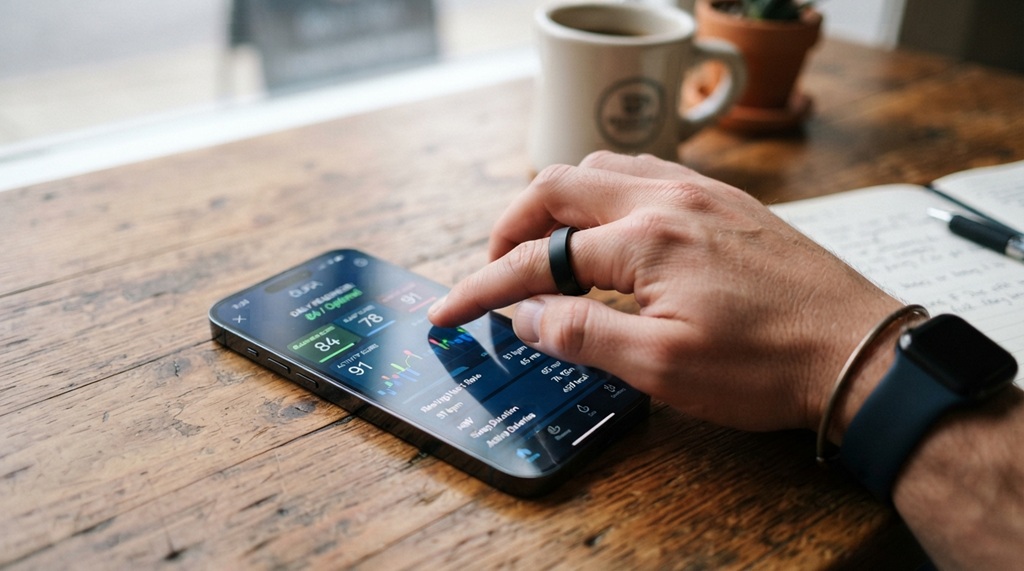
You’ve seen the ads and probably spotted one on a friend’s finger: a sleek, lightweight ring that tracks your sleep, heart rate, and daily activity without the bulk of a wristwatch. If you’re in Washington State and thinking about making the switch from a traditional fitness band, you’re not alone. The challenge is that choosing the right device involves more than just picking the most expensive model. With variable weather, outdoor lifestyles, and different activity levels across the state, finding the right fitness tracking ring in WA requires a bit of research. This guide breaks down exactly what to look for, what to avoid, and how to match a ring to your specific routine.
Why Choose a Ring Over a Wrist Tracker?
Before diving into specific features, it helps to understand why smart rings have become so popular. The main appeal is comfort and accuracy. Wrist-based trackers often shift during exercise or sleep, which can lead to inconsistent heart rate readings. A ring, on the other hand, sits snugly on your finger where blood flow is more stable. This positioning often results in more reliable sleep staging and resting heart rate data.
Another practical reason is battery life. Most smart rings last between four and seven days on a single charge, compared to the daily charging required by many smartwatches. For people who dislike wearing bulky devices or who want to disconnect from constant notifications, a ring offers a more minimal approach to health tracking.
What You Give Up With a Ring
It’s not all perfect. Rings lack the bright screens, GPS, and music controls of a smartwatch. You won’t get turn-by-turn navigation on your finger, and you can’t easily check messages without pulling out your phone. If you train for marathons in remote areas and need real-time pace data, a ring might frustrate you. However, if your focus is on recovery, sleep quality, and everyday activity, a ring is often the better tool.
Key Features to Evaluate Before Buying
Not all rings are created equal. Some prioritize sleep analysis, while others focus on workout tracking. Here are the core features you should compare when looking at a fitness tracking ring in WA.
Sensor Quality and Accuracy
The sensors inside the ring determine how useful the data actually is. Look for rings that use multiple LEDs and photoplethysmography (PPG) sensors to measure blood flow. Higher-end models often include additional sensors for skin temperature and blood oxygen saturation (SpO2). While you don’t need every sensor available, having at least heart rate and SpO2 monitoring gives you a fuller picture of your recovery and overall health.
Sleep Tracking Depth
Sleep tracking is where rings really shine. The best models break down your night into light, deep, and REM sleep stages. They also provide a “sleep score” that helps you understand whether you’re actually recovering. If you live in a city like Seattle or Spokane and struggle with irregular sleep patterns, this data can be genuinely eye-opening. Look for rings that offer detailed sleep insights without requiring you to manually sync data.
Battery Life and Charging Method
Battery life varies significantly between models. Some rings last only three days, while others push past a week. Consider how often you want to charge the device. Most rings come with a small charging dock or a USB cable that the ring sits on. Make sure the charging method is convenient for your routine. If you travel frequently for work, a ring with a longer battery life and a compact charger is worth the extra cost.
Water Resistance and Durability
Washington’s weather is famously wet, so water resistance is non-negotiable. Most reputable rings have a water resistance rating of at least 5 ATM, which means they can handle swimming and showering. However, you should check whether the ring is rated for saltwater or chlorinated pools. Additionally, consider the outer material. Titanium is the standard for durability and scratch resistance, while some budget models use stainless steel or even plastic, which may not hold up as well over time.
Comfort, Fit, and Sizing Considerations
Ensuring an exact fit is paramount when investing in a smart ring since these devices lack the adjustable straps standard on traditional fitness watches, requiring you to utilize manufacturer-provided sizing kits to test physical samples before purchase, which is crucial for round-the-clock wear and accurate biometric data collection; similarly, just as achieving the right ergonomic fit optimizes your health tracking, integrating wearable tech into traditional gym spaces requires a keen awareness of facility guidelines and local etiquette, ensuring your tech-enhanced routine remains seamless whether you are monitoring workout strain or navigating standard gym policies such as the planet fitness lunk alarm.
Which Finger Should You Wear It On?
Most experts recommend wearing the ring on your index, middle, or ring finger. The index finger tends to provide the most accurate readings because it has a strong pulse signal. However, comfort is personal. Some people find the middle finger more comfortable, especially if they type a lot. Avoid wearing the ring on your thumb, as it can interfere with grip and produce less accurate data.
Dealing With Finger Swelling
Your fingers naturally swell during sleep, exercise, or hot weather. A ring that fits perfectly in the morning might feel tight after a workout. This is why many manufacturers recommend choosing a size that fits snugly but allows you to rotate the ring slightly. If you are between sizes, it is usually better to go with the larger size to avoid circulation issues during the night.
Compatibility With Your Smartphone and Apps

Every smart ring relies on a companion app to display your data. Before purchasing, verify that the ring is compatible with your smartphone’s operating system. Most rings work with both iOS and Android, but some features may be limited on one platform. For example, certain rings offer ECG functionality only on iOS devices.
Pay attention to the app interface as well. A ring with excellent hardware but a clunky app will frustrate you daily. Look for apps that provide clear trends, allow you to export data, and integrate with popular platforms like Apple Health, Google Fit, or Strava. If you use a specific fitness app already, check whether the ring can sync with it automatically.
Price Ranges and Subscription Costs
Smart rings are a significant investment. Entry-level models start around $200, while premium options can exceed $400. The price often reflects sensor quality, build materials, and software features. However, the total cost of ownership includes more than the upfront price.
Hidden Subscription Fees
Some manufacturers require a monthly or annual subscription to access advanced analytics, personalized coaching, or historical data. This is a crucial factor to consider. A ring that costs $250 might require an additional $5–$10 per month to unlock its full potential. Before buying, calculate the total cost over two years to see if the ring fits your budget. If you prefer a one-time purchase, look for brands that offer all features without a subscription.
Warranty and Return Policy
Because rings are worn constantly, they are prone to wear and tear. Check the warranty length and what it covers. Most reputable brands offer at least a one-year warranty against manufacturing defects. Also, review the return policy. You should have at least 30 days to test the ring and decide if it works for you. If a brand doesn’t offer a trial period, that is a red flag.
Common Mistakes to Avoid When Buying a Smart Ring
Many buyers make avoidable errors that lead to disappointment. Here are the most common pitfalls and how to steer clear of them.
- Ignoring the sizing kit: Guessing your ring size is the fastest way to end up with a device you can’t wear. Always order the sizing kit first.
- Choosing style over function: A ring that looks great but has poor battery life or inaccurate sensors will not serve you well. Prioritize function.
- Forgetting about skin sensitivity: The sensors emit light and the ring sits against your skin for hours. If you have sensitive skin or allergies, check the materials used in the inner lining.
- Assuming all rings track workouts equally: Some rings automatically detect workouts, while others require you to manually start a session. Decide which behavior you prefer.
- Overlooking firmware updates: The best rings receive regular software updates that improve accuracy and add features. Check if the brand has a history of supporting its products after launch.
How to Match a Ring to Your Lifestyle in Washington
Your location and daily habits should influence your choice. Washington offers everything from urban city life to rugged mountain trails. Here is how to match a ring to your specific routine.
For the Urban Professional
If you work in an office in Seattle or Bellevue, you likely care about stress tracking, sedentary reminders, and sleep quality. Look for a ring that offers guided breathing exercises and detailed stress scores. A sleek, minimalist design that fits under a dress shirt is also a plus. Battery life matters less if you have a desk and can charge the ring during the day.
For the Outdoor Enthusiast
If you hike, trail run, or ski in the Cascades, durability and battery life are your top priorities. Choose a titanium ring with a long battery life that can handle a weekend trip without charging. While the ring won’t provide GPS, it will track your heart rate and recovery, which is valuable for high-altitude activities. Ensure the ring’s app can sync with your phone once you return to cell service.
For the Fitness Focused
If you spend time in the gym or follow a structured training plan, look for rings that offer workout heart rate zones and recovery recommendations. Some rings automatically detect when you are exercising and adjust their tracking algorithms accordingly. This feature is particularly useful if you switch between cardio and weightlifting throughout the week.
Frequently Asked Questions
Can I wear a fitness tracking ring while lifting weights?
Yes, most rings are safe to wear during weightlifting. However, you should avoid gripping heavy barbells or dumbbells directly over the ring, as this can cause discomfort or damage the outer shell. Consider wearing the ring on your non-dominant hand to reduce the risk of impact.
How accurate are smart rings compared to chest straps?
Chest straps remain the gold standard for heart rate accuracy during intense exercise. Smart rings are highly accurate for resting heart rate and sleep tracking, but they may lag slightly during high-intensity interval training. For most daily use, the accuracy is more than sufficient.
Do smart rings work for people with tattoos on their fingers?
Tattoos can interfere with the optical sensors on smart rings. The ink can block the light from penetrating the skin, leading to inaccurate readings. If you have tattoos on your fingers, you may need to wear the ring on a different finger or consider a wrist-based tracker instead.
How often do I need to charge a smart ring?
Most smart rings require charging every four to seven days. The exact battery life depends on the model and how often you use features like SpO2 monitoring or workout tracking. Charging typically takes about 60 to 90 minutes for a full charge.
Can I use a smart ring without a smartphone?
No, a smart ring requires a smartphone to set up the device, sync data, and view your health metrics. The ring itself does not have a display. You will need a compatible smartphone with the manufacturer’s app installed.
Conclusion
Choosing a fitness tracking ring in WA comes down to understanding your priorities. If you value sleep insights, all-day comfort, and a discreet design, a smart ring is an excellent investment. Focus on sensor accuracy, battery life, water resistance, and long-term costs like subscriptions. Take advantage of sizing kits and trial periods to ensure the ring fits your finger and your lifestyle. Whether you are navigating a busy workweek in Seattle or exploring mountain trails on the weekend, the right ring will provide meaningful data that helps you recover better and train smarter. Start by comparing a few reputable models, check their compatibility with your phone, and choose the one that aligns with your health goals.