
How to Keep Your Home Cool During Hot Summer Months
Key Takeaways
- Utilize window treatments and strategic ventilation to minimize heat gain.
- Incorporate energy-efficient appliances and lighting to reduce internal heat sources.
- Implement landscaping techniques to provide natural shade.
- Adopt smart cooking and appliance usage habits to maintain cooler indoor temperatures.
Keeping your home comfortable during the peak of summer heat is essential not just for relaxation, but also for maintaining energy efficiency and reducing costs. When temperatures soar, it’s tempting to simply rely on your air conditioning system. However, there are various practical steps that can help maintain cooler indoor temperatures while also preserving energy and lowering your utility bills.
Simple changes, such as optimizing your window treatments and adopting smarter habits, go a long way in minimizing heat buildup. These strategies can be combined with more significant improvements like upgrading insulation and landscaping, all aimed at creating a consistently pleasant environment throughout the hottest months.
Besides the immediate relief from the oppressive heat, utilizing the right cooling techniques contributes to long-term savings and better indoor air quality. With careful planning, it’s possible to make your living space both cooler and more efficient without overtaxing your HVAC system.
If you’re interested in more advanced options or professional installation, consider consulting with a reliable air conditioning contractor to address complex cooling needs and maximize the efficiency of your home’s climate control systems.
Optimize Window Treatments
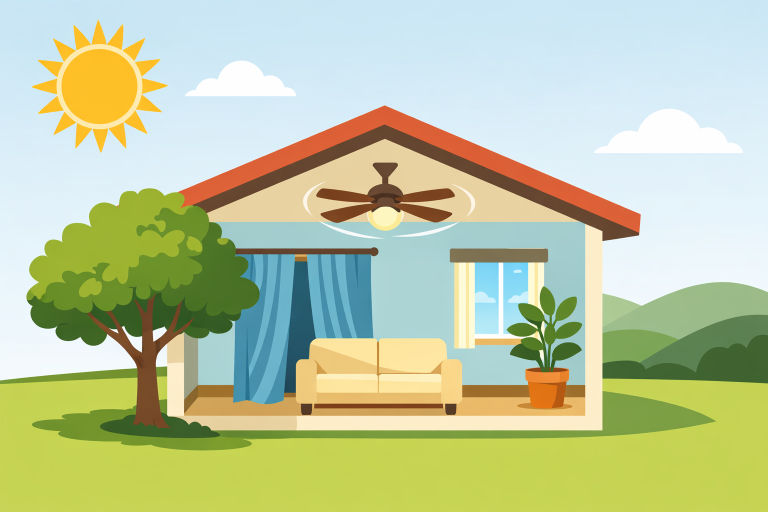
Windows are often responsible for much of the unwanted heat that enters a home. Keeping blinds or curtains closed during sunny hours, especially on south and east-facing sides, can dramatically lower interior temperatures. Choose room-darkening shades or drapes with light-colored backs to reflect sunlight instead of allowing it to pass through and heat up your rooms. These simple changes can make a considerable difference during prolonged heat waves.
Enhance Ventilation
Creating cross-breezes by opening windows in the early morning and evening can quickly reduce indoor temperatures. This lets cooler outside air move through the house and push out hot, stale air. Using exhaust fans in bathrooms and kitchens also helps, as these are high-moisture and high-heat areas. Keeping air moving not only cools but also improves overall indoor air quality, which can be especially important during flu or allergy seasons. The Michigan Public Service Commission recommends this approach for effective, low-cost home cooling.
Upgrade to Energy-Efficient Lighting
Traditional incandescent bulbs emit a lot of heat. Upgrading to LED lighting is a straightforward way to cut down on both electricity use and unwanted heat production. LEDs operate at much cooler temperatures, making them an ideal choice for keeping indoor spaces comfortable without sacrificing brightness. Furthermore, these bulbs last longer, saving on replacement and maintenance over time.
Utilize Fans and Air Circulators
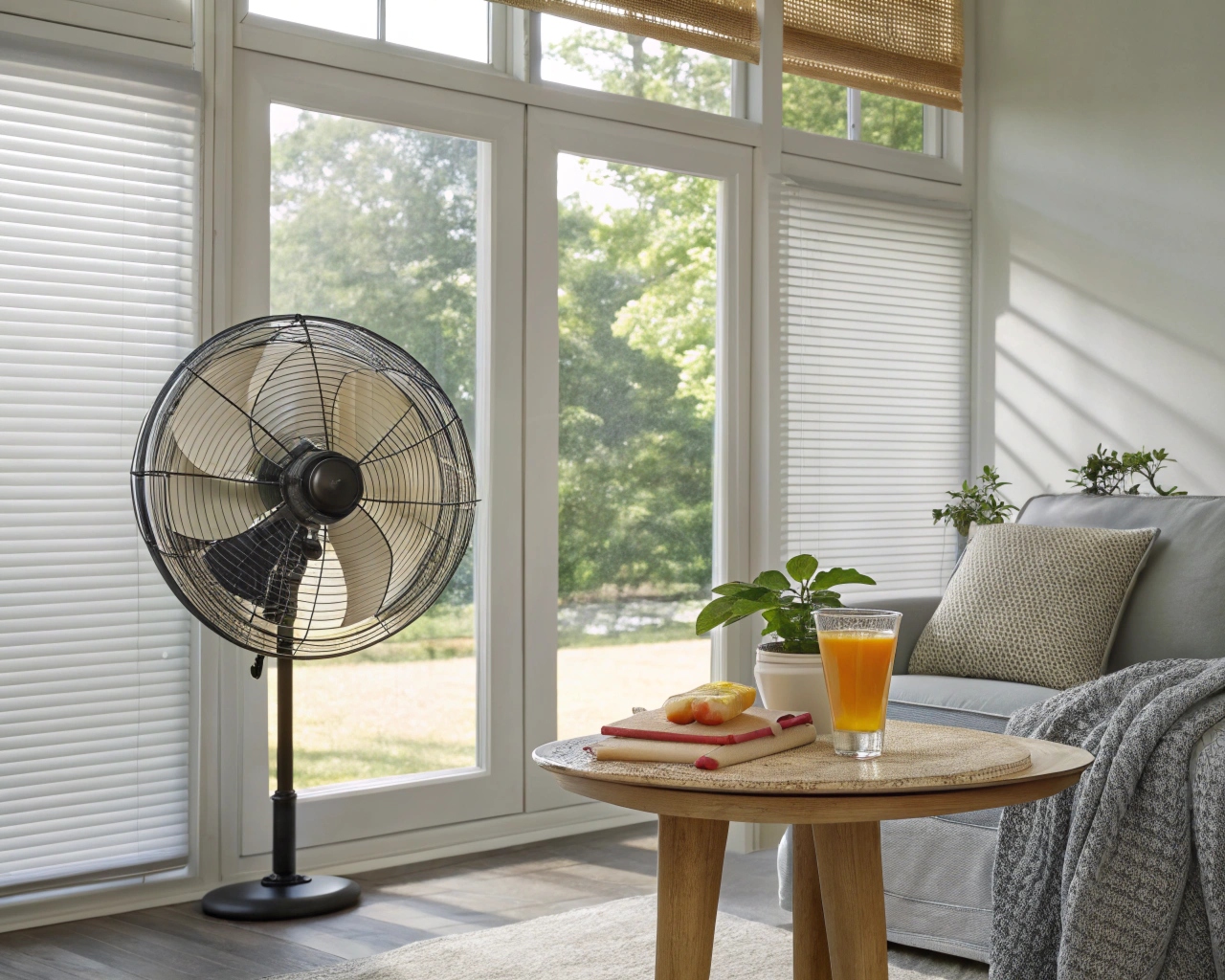
Fans offer versatile cooling for any room and can complement your main AC unit by distributing cool air more evenly. Set ceiling fans to rotate counter-clockwise so they push cool air down where it’s needed. Air circulators are another effective option; unlike typical fans, they help cycle air throughout the room, reaching pockets of stagnant, warm air that ceiling fans might miss. According to TechRadar, these devices are useful in both personal and shared living spaces.
Implement Strategic Landscaping
Planting trees, shrubs, or vines near your home provides natural shade and blocks radiant heat from reaching your windows and exterior walls. Fast-growing shade trees are particularly effective for buffering southern and western exposures. This external insulation not only keeps your home cooler in summer but can also act as a windbreak during colder months. Landscaping for shade can reduce reliance on mechanical cooling, contributing to lower utility costs over time.
Cook Smart to Reduce Heat
Using ovens and stovetops can quickly heat up kitchens and surrounding areas. On the hottest days, consider grilling outside or preparing light, no-cook meals such as salads and chilled dishes. When you must cook indoors, rely on appliances like microwaves, slow cookers, or pressure cookers that emit less heat. These choices help reduce the overall cooling burden on your home, keeping indoor temps more comfortable throughout mealtime.
Seal and Insulate Your Home
Small cracks or gaps around doors and windows allow warm air to seep inside and cool air to escape. Sealing these leaks with weatherstripping or caulk is an inexpensive step that substantially improves indoor comfort. Adding insulation to attics and walls boosts this effect, providing a reliable buffer against outdoor heat. For more comprehensive measures or larger projects, working with a professional ensures every area of your home is properly sealed and insulated.
Manage Humidity Levels
High humidity levels can make your home feel warmer than it actually is. Using a dehumidifier helps reduce indoor moisture, producing a drier, more comfortable environment. Bathroom and kitchen exhaust fans also remove excess humidity at its source, creating a noticeable improvement in overall comfort. Proper humidity control not only makes your home feel cooler but also helps prevent mold growth and structural damage.
Making informed adjustments throughout your home, from simple tactics like closing blinds and operating fans to more involved upgrades like improved insulation or landscaping, ensures you can keep cool efficiently even as outdoor temperatures climb. These strategies also promote lasting energy savings and a healthier living space for you and your family.