
How to Stop Fascia Rot in Atlanta, GA: A Practical Homeowner’s Guide
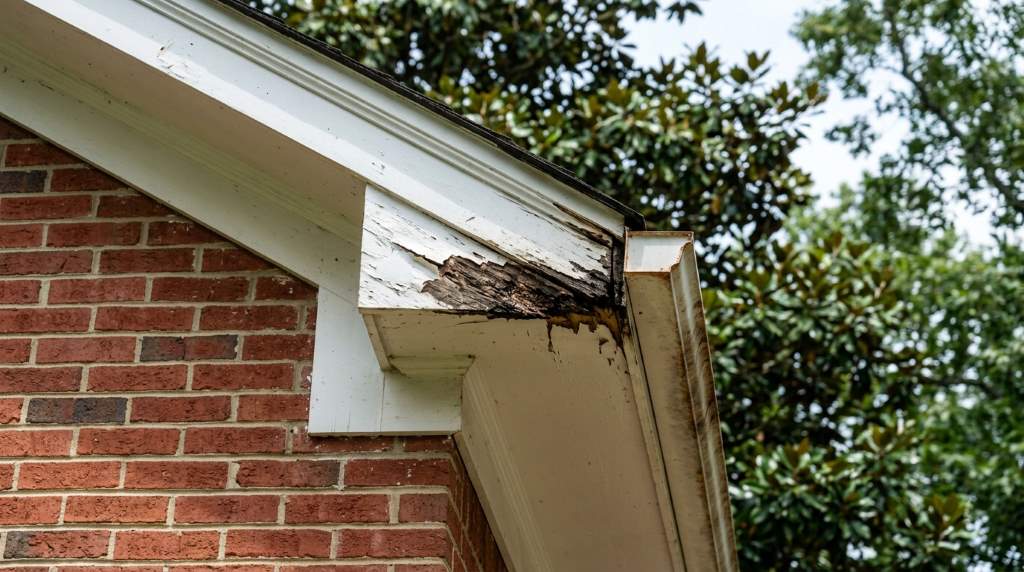
To stop fascia rot in Atlanta, GA, first eliminate the moisture source, replace damaged wood, and protect the repaired fascia. Atlanta normally receives about 49.7 inches of annual rain, while 2024 brought 63.18 inches, making moisture control especially important. Modern exterior design also favors clean rooflines, but minimalist home roof trends should never compromise proper drainage or ventilation.
Key Takeaways
- Find and repair the leak before replacing any rotten fascia.
- Replace severely deteriorated wood rather than covering it with new boards.
- Inspect gutters, drip edges, soffits, flashing, and roof edges together.
- Use properly primed, sealed, and painted replacement materials.
- Keep gutters clear so water cannot repeatedly soak the fascia.
- Schedule professional inspections when rot extends behind visible boards.
Why Fascia Rot Develops So Easily in Atlanta
Fascia boards sit along the roof edge, where they encounter runoff, wind-driven rain, humidity, and repeated drying cycles. Consequently, even a small drainage problem can keep the same section of wood damp for long periods.
Atlanta’s climate makes that exposure more demanding than many homeowners realize. In 2024, Atlanta recorded 63.18 inches of precipitation, more than 13 inches above its 1991 to 2020 normal.
Rot usually starts when water repeatedly enters wood through unsealed edges, failed paint, roof leaks, overflowing gutters, or damaged flashing. Once moisture remains trapped, fungal decay can weaken the wood and create soft, crumbly areas.
However, fascia rot rarely exists as an isolated problem. Water can travel behind the fascia and affect the soffit, roof decking, rafter ends, or wall assembly before visible damage appears.
Therefore, replacing one damaged board without finding the moisture pathway often produces only a temporary improvement. A durable repair addresses both the damaged material and the condition that caused it.
Inspect the Entire Roof Edge Before Repairing Fascia
Begin with a careful inspection rather than immediately purchasing replacement boards. A thorough assessing condition of shingles process can reveal roof defects contributing to water exposure.
Look closely at the fascia beneath valleys, roof-wall intersections, gutters, downspouts, and areas surrounding penetrations. These locations commonly direct concentrated water toward vulnerable roof-edge components.
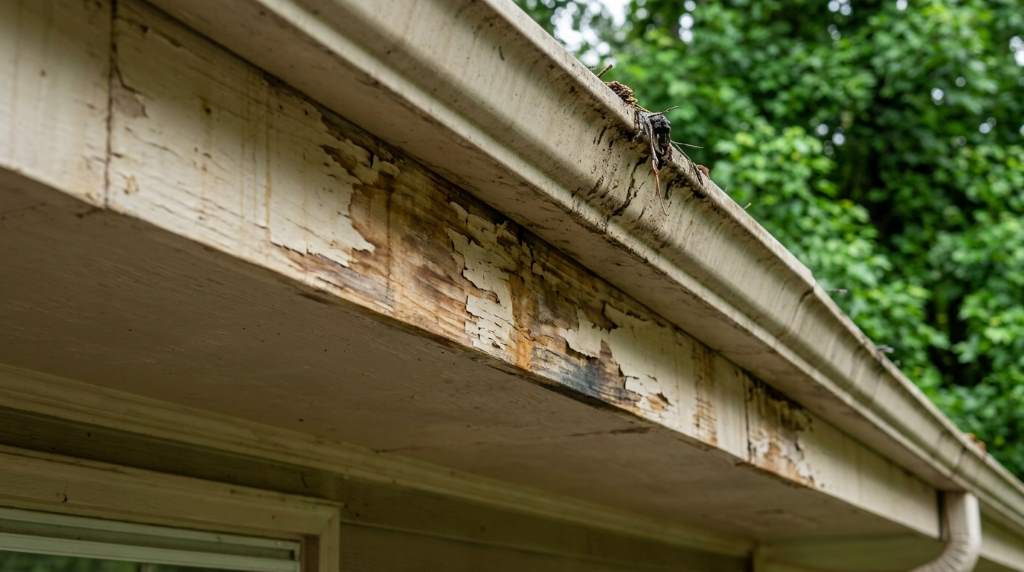
Next, examine the fascia for discoloration, peeling paint, swelling, cracks, soft spots, and darkened wood fibers. Push gently with a screwdriver only where safe, because severely weakened boards can fail unexpectedly.
Also inspect the upper edge of the fascia where it meets the roof covering. Gaps, exposed wood, deteriorated sealant, or damaged drip-edge components can allow water to enter repeatedly.
Check the Gutters and Downspouts
Gutters deserve special attention because overflowing water can soak fascia boards during every substantial storm. Leaves, pine needles, roof granules, and sediment can reduce gutter capacity surprisingly quickly.
Check whether gutters maintain a suitable slope toward their outlets. Then confirm that downspouts discharge water far enough away from the foundation and exterior walls.
Watch the system during rainfall when possible, because real water movement can reveal problems that a dry inspection misses. Look for overflow, dripping seams, standing water, and water running behind the gutter.
Stop the Moisture Source Before Replacing Rotten Wood
Replacing rotten fascia before correcting the leak creates a predictable cycle of repeated repairs. Instead, trace water backward from the damaged area until you identify its entry or overflow point.
Common causes include clogged gutters, inadequate flashing, damaged shingles, failed roof penetrations, loose drip edges, and improperly directed downspouts. Modern innovations in roofing technologies can improve performance, but installation quality still determines real-world results.
If water enters around a chimney, skylight, vent, or roof-wall transition, repair that assembly before treating the fascia. Otherwise, fresh replacement wood may absorb moisture from the same concealed pathway.
Likewise, inspect the gutter attachment points because loose gutters can pull away from the fascia. That movement creates gaps that encourage water intrusion behind the board.
Understand Where Water Actually Travels
Roof water does not always travel vertically from the visible leak to the visible damage. It can move along underlayment, decking, framing, or trim before appearing at the fascia.
For that reason, the wettest visible location may not identify the original problem. A professional inspection can become valuable when staining appears far from an obvious roof defect.
Atlanta homes also experience intense summer storms, which can overwhelm marginal drainage systems quickly. A system that handles light rain may still fail during short periods of heavy precipitation.
Replace Fascia When the Wood Has Lost Structural Integrity
Minor surface deterioration does not always require complete board replacement. However, deep softness, extensive fungal decay, crumbling fibers, splitting, or widespread swelling usually warrants replacement.
Cut back damaged material until you reach sound, structurally reliable wood. Avoid leaving hidden decay behind because intact-looking surfaces can conceal deeper deterioration.
Measure the replacement carefully and match the existing fascia profile where practical. Proper sizing helps maintain clean roof-edge alignment and reduces unnecessary joints.
Use exterior-rated materials designed for repeated exposure to moisture. Depending on the application, homeowners may consider treated wood, durable engineered products, or other compatible exterior trim materials.
Do Not Cover Rotten Fascia With New Trim
Covering rotten wood can make the exterior look better while allowing deterioration to continue underneath. Furthermore, trapped moisture can make future inspection more difficult.
Instead, remove compromised material and inspect the framing behind it. If rafter tails or other structural components show decay, the repair may require more extensive carpentry.
When structural damage reaches the roof deck or framing, avoid treating the project as simple cosmetic maintenance. Proper structural assessment can prevent a small repair from becoming a larger failure.
Seal, Prime, and Paint the Replacement Fascia Properly
New fascia needs protection before Atlanta weather begins testing the repair. Prime exposed wood surfaces thoroughly, including cut ends and areas that installers cannot easily reach after installation.
End-grain sealing deserves particular attention because cut wood can absorb moisture rapidly. Apply an appropriate exterior-grade primer or end-sealing product according to manufacturer instructions.
Then apply a quality exterior finish that creates a continuous protective coating. Inspect the coating periodically for cracking, peeling, blistering, or exposed substrate.
Do not rely on paint alone to compensate for poor drainage. A flawless coating cannot prevent rot if water repeatedly reaches unprotected joints or remains trapped behind the fascia.
Pay Attention to Joints and Transitions
Fascia joints, corners, roof returns, and transitions create potential moisture entry points. Use compatible exterior sealants where the construction detail requires them.
However, avoid blocking intentional drainage paths or ventilation openings with sealant. Every sealant application should support the roof system rather than trap water inside it.
Inspect the relationship between fascia, soffit, drip edge, and gutter carefully after installation. These components should work together to move water away from vulnerable wood.
Improve Gutter and Roof-Edge Drainage
Long-term fascia protection depends heavily on controlled water movement. Clean gutters regularly and remove debris before seasonal storms create repeated overflow.
Check downspout connections and extensions after major weather events. Water should discharge away from vulnerable exterior surfaces rather than splash directly against the fascia or siding.
Also examine gutter guards if your home uses them. Guards can reduce debris accumulation, but poorly fitted systems can still allow overflow or direct water toward the fascia.
When evaluating roof-edge drainage, inspect more than missing shingles. A professional roof inspection beyond shingles approach can identify flashing, ventilation, drainage, and edge-detail problems.
Keep Water Away From the Fascia
- Clean gutters before periods of heavy rainfall.
- Confirm downspouts remain securely connected.
- Extend downspout outlets away from exterior walls.
- Repair sagging gutters before they overflow.
- Replace damaged flashing promptly.
- Keep tree branches from rubbing against roof-edge components.
Improve Ventilation Without Creating New Moisture Problems
Roof ventilation can influence moisture conditions within the roof assembly. Proper intake and exhaust airflow helps manage heat and moisture under appropriate roof designs.
However, ventilation should never become an excuse for ignoring active leaks. Water intrusion requires a water-management solution first.
Check soffit vents for blockage from paint, insulation, dirt, or debris. At the same time, confirm that attic insulation does not obstruct designed ventilation pathways.
When changing ventilation, consider the entire roof assembly rather than installing isolated vents. Balanced airflow and proper installation matter more than simply increasing the number of openings.
Know When Fascia Rot Requires Professional Help
Some fascia repairs suit experienced homeowners, especially when damage remains small and easily accessible. Nevertheless, roof-edge work becomes risky when ladders, steep slopes, structural decay, or concealed leaks enter the picture.
Call a qualified roofing or exterior professional when rot extends behind the fascia. Professional evaluation also makes sense when multiple roof-edge areas show simultaneous deterioration.
Seek help if the roof decking feels soft, rafters show decay, gutters pull away repeatedly, or water enters the attic. These symptoms can indicate a broader moisture-management problem.
Likewise, professional assistance can reduce unnecessary replacement when the visible damage has a less obvious source. Accurate diagnosis often saves more money than repeated cosmetic repairs.
A Simple Atlanta Fascia Maintenance Schedule
Routine inspection provides one of the easiest ways to prevent expensive fascia deterioration. A practical schedule should focus on drainage, paint condition, roof details, and early moisture signs.
- Monthly: Look for gutter overflow, peeling paint, staining, and visible damage.
- Seasonally: Clean gutters and inspect downspouts, flashing, and roof edges.
- After major storms: Check for displaced shingles, damaged trim, and new water stains.
- Annually: Inspect vulnerable fascia, soffits, roof penetrations, and attic areas.
- After repairs: Recheck the repaired area during the next significant rainfall.
This schedule works because it focuses on the cause rather than only the appearance. Early detection can prevent localized fascia deterioration from spreading into surrounding components.
Common Mistakes That Make Fascia Rot Return
The most common mistake involves replacing damaged fascia without repairing the underlying water problem. Another mistake involves painting over soft wood instead of removing compromised material.
Homeowners also sometimes ignore gutters because the roof itself appears healthy. Yet overflowing gutters can repeatedly wet fascia even when shingles remain in good condition.
Using interior-grade paint or poorly suited trim materials creates another avoidable weakness. Exterior components need products designed specifically for changing moisture and temperature conditions.
Finally, some repairs focus only on visible damage. A better approach follows the water pathway, checks adjacent materials, and verifies drainage after completing the work.
What Should You Do If Your Fascia Already Shows Rot?
Start by photographing the affected area and documenting nearby stains, gutter problems, and damaged roof components. Then determine whether the wood remains structurally sound or requires removal.
Next, inspect the roof edge and drainage system for the likely moisture source. Do not begin cosmetic repairs until you understand why the fascia became wet.
If the damage remains localized, repair the moisture source and replace the affected section with properly protected exterior material. If decay extends into framing or decking, arrange a professional assessment.
Finally, monitor the repaired area after several storms. A successful repair should remain dry, stable, properly coated, and free from recurring staining.
Conclusion: Stop Fascia Rot Before It Spreads
Stopping fascia rot in Atlanta, GA requires more than replacing visibly damaged boards. The durable solution combines moisture-source correction, sound material replacement, proper sealing, effective drainage, and regular inspection.
If your fascia feels soft, shows dark staining, or repeatedly develops peeling paint, act before the damage expands. Arrange a roof-edge inspection, correct the water pathway, and repair compromised materials with exterior-rated products.
With the right approach, you can protect the fascia, preserve surrounding roof components, and avoid repeated repair costs. Contact a qualified local roofing professional when the damage involves concealed leaks, structural wood, or difficult roof access.
Frequently Asked Questions
Can fascia rot be repaired without replacing the entire board?
Yes, localized decay can sometimes be cut out and replaced when surrounding wood remains structurally sound.
What causes fascia boards to rot?
Persistent moisture from leaks, overflowing gutters, damaged flashing, poor drainage, and unsealed wood commonly causes fascia rot.
How often should Atlanta homeowners inspect fascia boards?
Inspect fascia at least annually and again after major storms or periods of persistent heavy rainfall.
Can painting prevent fascia rot?
Proper priming and painting can reduce moisture absorption, but coatings cannot stop rot caused by unresolved water intrusion.
Should I replace rotten fascia before fixing the roof leak?
No, repair the underlying leak or drainage problem first so the replacement fascia does not deteriorate again.