
The Hidden Dangers Inside Skilled Nursing Facilities Across Georgia
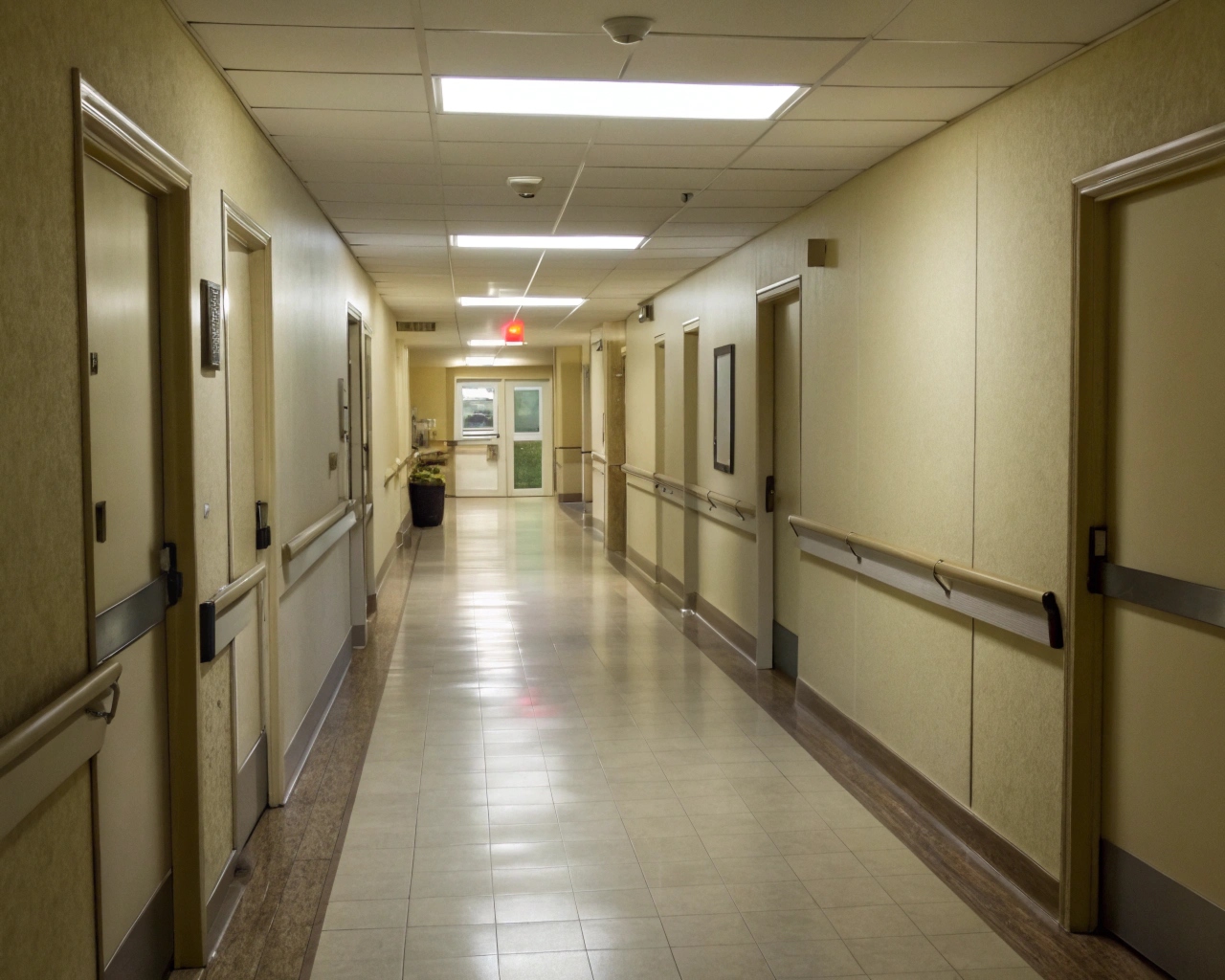
Skilled nursing facilities (SNFs) are a lifeline for many elderly and medically fragile individuals in Georgia, promising round-the-clock care and support. However, hidden dangers often lurk beneath their carefully managed façades. Families deserve to be aware of the risks that threaten vulnerable residents in these institutions. If you are concerned about a loved one in a long-term care setting, a Georgia skilled nursing facility neglect lawyer can offer insight and support during a difficult time.
Unfortunately, understaffing, underreporting of incidents, and financial pressures can compromise residents’ well-being.
Navigating these risks requires knowledge and vigilance. Transparent communication with facility staff and proactive involvement can be critical steps in safeguarding loved ones. Understanding the unique challenges and warning signs enables families to play an active role in long-term care oversight.
Understaffing: A Persistent Issue
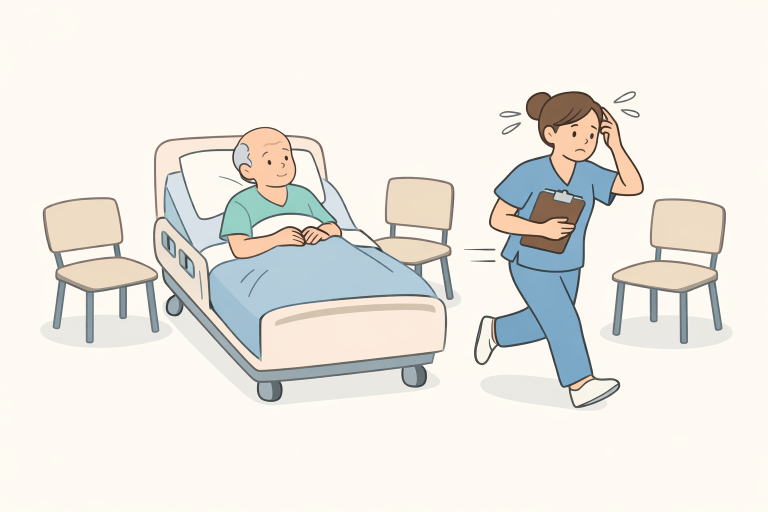
One of the gravest dangers inside Georgia’s skilled nursing facilities is chronic understaffing. Recent reports show that Georgia is one of the states with the lowest per-resident care hours, averaging only 3.53 per resident per day. This figure barely meets federal requirements and often leaves caregivers overwhelmed, unable to provide necessary personal attention to every resident. Short-staffed environments contribute directly to preventable falls, medication errors, missed hygiene routines, and an uptick in infections and injuries.
Nurses and aides in understaffed facilities often juggle excessive caseloads. In such high-pressure environments, care quality declines and response times suffer. Residents dependent on assistance for mobility or medication are particularly vulnerable, and even minor injuries can escalate into severe health crises if not promptly noticed and treated. Understaffing also increases staff burnout, resulting in even higher turnover rates and further instability.
Unreported Incidents and Documentation Gaps
Transparency is critical in healthcare settings, but underreporting of injuries and incidents persists in SNFs throughout Georgia. One nationwide study found that nearly 43 percent of major falls were never properly documented. Without complete records, residents may be left without appropriate medical evaluations, and families may remain unaware of their loved ones’ true condition. These documentation lapses can also prevent regulatory oversight from catching systemic patterns of neglect or abuse.
Documentation gaps not only put residents at risk but also expose facilities to legal action. Detailed, accurate record-keeping is an essential safeguard, ensuring both families and authorities have a clear picture of the care being provided. Regularly reviewing facility records and communicating with caregiving staff can help mitigate the dangers associated with incomplete documentation.
Financial Strains and Their Impact on Care
The financial reality of skilled nursing facilities in Georgia is growing more precarious. Many providers are under pressure from reduced Medicaid reimbursement rates, leaving dozens of homes at risk of closure. When budgets shrink, facilities often cut staffing or defer critical maintenance. This economic strain directly impacts the quality of care, making it difficult to retain skilled staff and invest in necessary upgrades or equipment.
In recent years, the rise of real estate investment trusts (REITs) acquiring nursing homes has intensified concerns over profit motives possibly outweighing patient care needs. When ownership structures emphasize revenue generation, resources may be diverted away from direct care staffing and resident services. For families, these systemic financial threats mean that the stability and safety of a facility can change rapidly, sometimes with little warning.
Recognizing Signs of Neglect
Families and advocates play a vital role in identifying issues before they escalate. The following warning signs may suggest neglect or substandard care inside a skilled nursing facility:
- Unexplained weight loss or visible signs of malnutrition
- Bedsores (pressure ulcers) or repeated skin infections
- Consistently poor personal hygiene, dirty clothing, or soiled bedding
- Unattended medical needs, such as missed medication doses or untreated wounds
- Sudden changes in mood, withdrawal, or increased confusion
Noticing these symptoms early and investigating further can be key to protecting a loved one from escalating harm.
Steps to Protect Your Loved Ones
There are proactive approaches families can take to minimize the risks in skilled nursing facilities. Consider these steps:
- Conduct thorough research on facilities before selecting a placement. Review inspection reports, CMS ratings, and speak to other families when possible.
- Make regular, unscheduled visits at varying times to observe care routines, staff interactions, and overall cleanliness.
- Foster open communication with staff and management. Establish a rapport with nurses and aides who provide direct care.
- Monitor your loved one for any signs of neglect or abuse. Document any concerns or issues, including dates, times, and observations.
- Raise any concerns promptly with facility leadership or through the Georgia Long-Term Care Ombudsman. For urgent issues, report directly to state regulators.
Frequently Asked Questions
What should I do if I suspect neglect in a nursing home?
If you suspect neglect, document your observations carefully, voice your concerns to facility management, and file a report with state regulatory agencies if the situation does not improve quickly.
How can I verify a nursing home’s staffing levels?
Staffing reports are available through the federal Centers for Medicare & Medicaid Services (CMS). Review these records online for insights into the facility’s staffing levels, both historical and current.
Are there legal resources for nursing home residents in Georgia?
Yes, statewide organizations such as the Georgia Long-Term Care Ombudsman Program provide advocacy and support for residents facing concerns about care quality or abuse.
Final Thoughts
Diligence, research, and ongoing communication empower families to advocate for loved ones in skilled nursing facilities. By staying informed and responsive to hidden dangers, families play a critical role in ensuring safer, more respectful care across Georgia’s SNFs.