
Home Pasta Making Machine Guide for First-Time Buyers
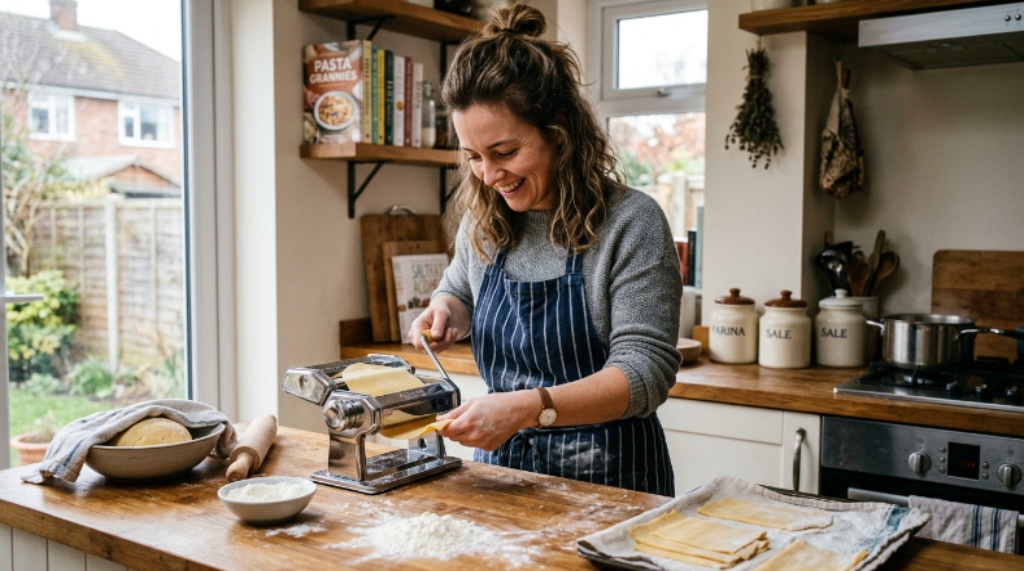
Fresh pasta tastes better than anything that comes out of a packet. The texture is softer, the flavor is richer, and the satisfaction of making it yourself is hard to beat. However, walking into the world of pasta making for the first time can feel confusing. There are manual machines, electric machines, extruders, rollers, and more. Knowing where to start is the real challenge.
This guide is written specifically for first-time buyers. It covers everything you need to know before spending a single cent. By the end, you will understand the different types of machines available, what features actually matter, and how to choose the right one for your kitchen and lifestyle.
Why Make Pasta at Home in the First Place
Many people wonder whether making pasta at home is worth the effort. The answer depends on what you enjoy in the kitchen. If you love cooking and want more control over what goes into your food, then yes, it absolutely is.
Homemade pasta uses simple ingredients: flour, eggs, water, and sometimes a little oil. There are no preservatives, no artificial flavors, and no hidden additives. Additionally, you can customize the recipe. Want a spinach pasta? Add spinach. Prefer a gluten-free option? Use rice flour or chickpea flour. The flexibility is something store-bought pasta simply cannot offer.
Beyond health, there is also the experience. Making pasta by hand is a genuinely enjoyable process. It slows you down in the best way. Many people find it meditative, creative, and a wonderful activity to share with family or friends.
The Two Main Types of Pasta Machines
Before choosing any specific product, you need to understand the two main categories. Each works differently and suits a different type of home cook.
Manual Pasta Machines
Manual machines are the classic choice. They have been used in Italian households for generations. A manual machine works by feeding a sheet of dough through a pair of steel rollers. You turn a hand crank to roll the dough thinner with each pass. Once the sheet reaches your desired thickness, you switch to a cutting attachment to form it into noodles.
These machines are simple, durable, and generally affordable. They require no electricity and have very few parts that can break or malfunction. However, they do require physical effort and a bit of practice. You will need to hold the machine steady, feed the dough evenly, and adjust the thickness settings with care.
Manual machines are a great starting point for first-time buyers who want to learn the craft hands-on. They are also a good choice for people who only make pasta occasionally.
Electric Pasta Machines
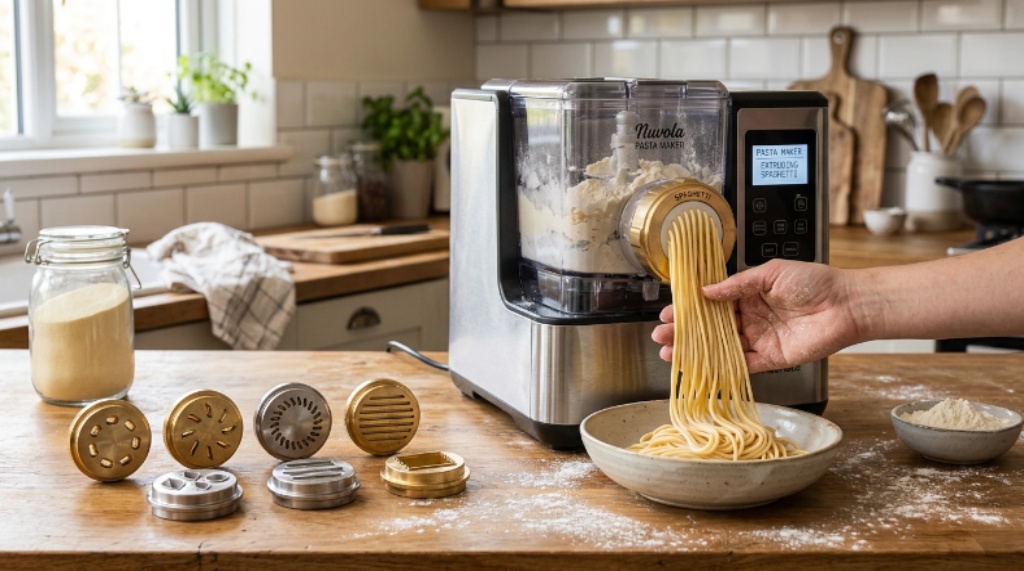
Electric machines take over the manual effort and automate most of the process. Some models work like a motorized version of a manual machine, rolling and cutting the dough for you. Others are fully automatic pasta makers that mix, knead, and extrude pasta with minimal input from you.
The fully automatic versions are the most convenient. You pour in flour and water, press a button, and fresh pasta comes out. These homemade pasta appliances are ideal for busy households or anyone who wants fresh pasta without spending a lot of time on preparation.
The trade-off is cost. Electric machines are significantly more expensive than manual ones. They also take up more counter space and have more components to clean. Therefore, they suit cooks who make pasta frequently and want a streamlined experience.
Key Features to Look for in a Pasta Machine
Knowing the difference between manual and electric is just the beginning. Within each category, there are features that separate a great machine from a frustrating one. Here is what to pay close attention to.
Material and Build Quality
The best pasta machines are made from stainless steel or chrome-plated steel. These materials are easy to clean, resist rust, and hold up well over years of regular use. Avoid machines with plastic rollers or cutting blades, as they wear out quickly and can affect the quality of your pasta.
The body of the machine should feel solid and heavy. A lightweight machine tends to wobble or slide around during use, which makes the rolling process more difficult. Additionally, check that the clamp or suction cup base holds the machine firmly to your counter.
Thickness Settings
Thickness control is one of the most important features on any manual machine. Most good machines offer between six and ten thickness settings. A wider range gives you more flexibility. Thin settings work well for delicate pasta like tagliolini or lasagne sheets. Thicker settings are better for heartier cuts like pappardelle or fettuccine.
On electric and automatic machines, thickness is often controlled digitally. Some models remember your preferred settings, which makes repeat use faster and more consistent.
Pasta Shape Options
Not all machines make the same shapes. A basic manual machine typically comes with two cutting attachments: one for fettuccine and one for tagliolini. If you want to make shapes like spaghetti, penne, rigatoni, or fusilli, you will need a machine with extrusion capabilities.
Most extrusion-style machines come with several interchangeable dies. Each die produces a different shape. Therefore, if shape variety matters to you, look for a model that includes a generous selection of dies or allows you to buy additional ones separately.
Ease of Cleaning
Pasta dough sticks to everything. Cleaning a pasta machine can be tedious if it was not designed with maintenance in mind. Manual machines should never be washed with water, as this causes rust. Instead, you brush off dried dough with a stiff brush or clean cloth.
Electric and automatic machines vary widely in how easy they are to clean. Look for models with removable parts that are dishwasher-safe. Additionally, check that the extrusion dies can be soaked or rinsed without damage.
Choosing the Right Machine for Your Kitchen
The best machine for you depends on three things: how often you plan to use it, how much space you have, and what your budget looks like.
If you plan to make pasta once or twice a month, a quality manual machine is more than enough. It takes up very little space when stored and will last for many years with minimal care. A reliable manual machine typically costs between $30 and $80, making it one of the most accessible DIY pasta tools available to home cooks.
If you love pasta and want to make it every week, an electric machine is a smarter long-term investment. The time you save adds up quickly. Prices range widely, from around $100 for a basic motorized model to $300 or more for a fully automatic machine with multiple shape options.
Consider your kitchen counter space carefully. Fully automatic machines can be large and heavy. If storage is limited, a compact manual machine is the more practical choice.
Getting the Most Out of Your Machine
Buying the right machine is only half the journey. Learning how to use it well takes a little patience. Here are a few tips to help you get started on the right foot.
- Always rest your dough before rolling. Letting it sit wrapped for at least 30 minutes relaxes the gluten and makes the dough much easier to work with.
- Start at the thickest setting and work your way down gradually. Trying to roll too thin too quickly can tear the dough.
- Lightly flour your dough and the rollers between passes to prevent sticking.
- If using an automatic machine, follow the flour-to-liquid ratio in the manual precisely. Too much or too little liquid changes the dough consistency significantly.
- Clean your machine after every use, even if it looks clean. Dried dough hidden in the rollers or dies can affect the next batch.
What to Expect from Your First Few Batches
Your first attempt at homemade pasta will probably not be perfect. That is completely normal. The dough might tear, the thickness might be uneven, or the noodles might stick together. Do not be discouraged.
Making pasta is a skill that improves with repetition. Most people notice a clear improvement by their third or fourth attempt. Additionally, even imperfect homemade pasta usually tastes better than anything from a supermarket shelf.
Give yourself permission to experiment. Try different flour types, adjust your hydration, and test different thickness settings. This is how you develop your own preferences and find the style that works best for your cooking.
Conclusion
Choosing your first pasta machine does not have to be complicated. Start by deciding whether a manual or electric machine suits your lifestyle. Then focus on build quality, thickness settings, shape options, and ease of cleaning. Match the machine to how often you plan to use it and how much space you have available.
Whether you choose a simple manual roller or one of the more advanced homemade pasta appliances on the market, the rewards are real. Fresh pasta made at home is something genuinely special. With the right machine and a little practice, you will be making restaurant-quality pasta in your own kitchen before you know it.
Frequently Asked Questions
What is the best pasta machine for a complete beginner?
A manual stainless steel pasta machine is the best starting point for beginners. It is affordable, easy to learn on, and durable. Look for one with at least seven thickness settings and two cutting attachments included.
Do I need a special flour to make homemade pasta?
Italian 00 flour is the most commonly recommended option. It is finely milled and produces silky, smooth pasta dough. However, all-purpose flour also works well, especially for beginners. The results are slightly less delicate but still delicious.
How long does fresh pasta take to cook?
Fresh pasta cooks much faster than dried pasta. Most fresh pasta is ready in two to four minutes in boiling salted water. Thicker shapes may take a minute or two longer. Always taste it before draining to check the texture.
Can I make pasta without eggs?
Yes. Egg-free pasta is common in many parts of Italy. You simply replace eggs with water. The dough is slightly firmer and less rich in flavor, but it works beautifully in dishes with robust sauces. It is also suitable for those with egg allergies.
How do I store fresh pasta if I make too much?
You can dry fresh pasta on a rack and store it in an airtight container once fully dried. Alternatively, dust it with flour, shape it into nests, and freeze it for up to two months. Cook it straight from frozen in boiling water without thawing.