
Why Is My Cornbread Dry: Causes, Fixes, and Better Baking Habits
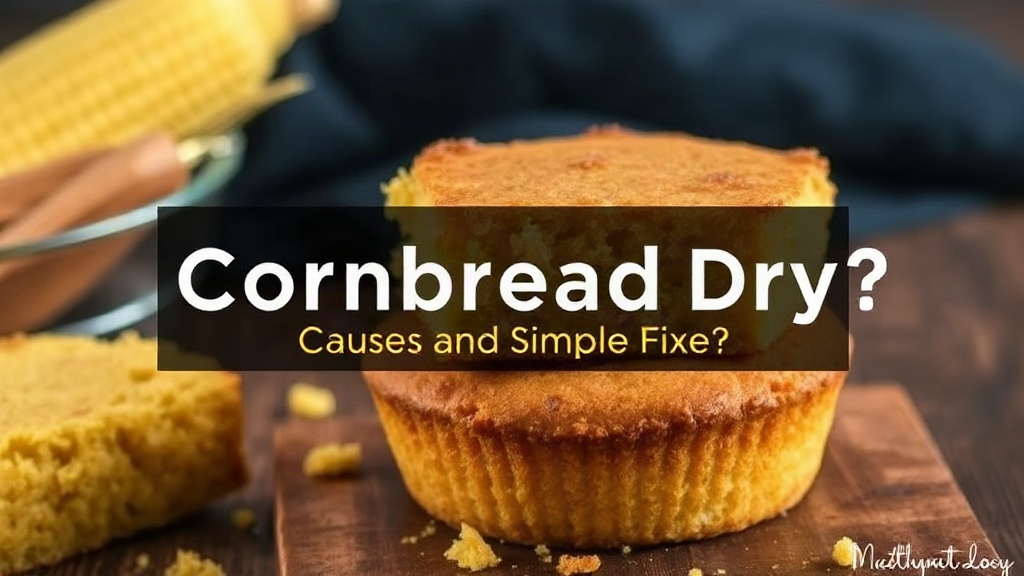
Why Is My Cornbread Dry is a question that usually arrives at the table after a disappointing bite, when the crust crumbles and the middle tastes more like sand than cake. You followed the recipe, greased the pan, and pulled it out when the top turned gold. So what went wrong?
Quick answer: Dry cornbread usually comes from too little fat or liquid, too much flour relative to cornmeal, or a few extra minutes in the oven. The fastest fix is to weigh your cornmeal and flour, use a fattier liquid like buttermilk, and pull the pan out the moment the center stops jiggling. Expect a moist, tender result once you correct one or two of those levers.
This article breaks down the actual chemistry behind a dry crumb, shows what common recipes get wrong, and gives you practical adjustments you can apply on your next batch.
Definition and background
Cornbread dryness is the texture a baker gets when the batter lacks moisture, fat, or structure balance. A moist cornbread feels dense but tender; a dry one cracks at the edges and sheds crumbs. The difference comes from the ratio of cornmeal to flour, the amount of fat, and how long the batter spends in the oven.
Traditional Southern cornbread leans heavily on cornmeal with little flour and often no sugar. Northern and boxed versions add more flour and sweetener, producing a cakier loaf. Each style has a different tolerance for heat and liquid, so the same baking time can leave one moist and the other parched.
Cornmeal itself absorbs water slowly. The coarse grind means liquid needs time to hydrate each particle thoroughly. A batter mixed and baked immediately releases that liquid during baking, which can leave the finished crumb feeling dry even though the batter was wet. Resting the batter briefly helps cornmeal hydrate before the heat sets the structure.
Fat coats the starch granules in both cornmeal and flour, which slows gluten development and traps moisture. Butter, oil, bacon drippings, and buttermilk each contribute in different ways. A batch with plenty of fat tolerates a slightly longer bake. A lean batch dries fast because there is little to hold moisture in place.
Coarse cornmeal hydrates slowly and needs more liquid than fine flour, which is why whole-grain cornbread recipes often call for buttermilk or an extra rest.
Cornmeal is also a variable ingredient. Stone-ground meal contains more of the germ and bran, so it hydrates differently than degerminated supermarket meal. Freshness matters too. Old cornmeal can taste stale and absorb liquid unpredictably. Storing it in the freezer keeps it stable longer.
Grind size compounds this. A fine meal hydrates in minutes, while a coarse stone-ground product may need a longer soak to soften fully. If you swap one for the other without adjusting liquid, the coarse meal stays thirsty and the crumb turns gritty and dry. Match your liquid and rest time to the grind you actually have on hand.
How Why Is My Cornbread Dry works
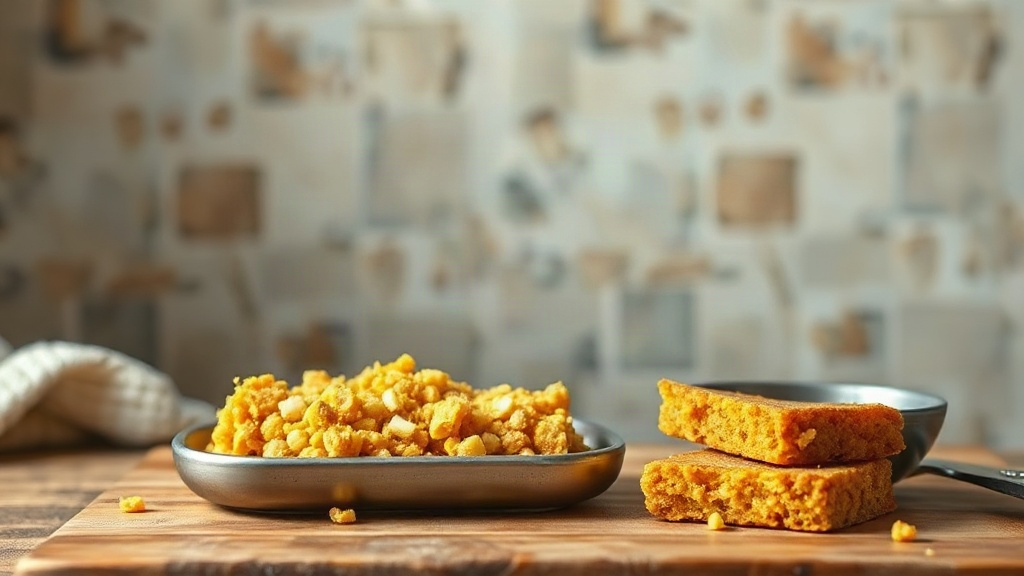
Baking sets the crumb by turning liquid into steam and firming up the proteins and starches. Moisture escapes throughout that process. A dry result means too much water left the batter or too little water was there to begin with. Three forces drive that outcome: evaporation, starch retrogradation, and gluten network strength.
Evaporation is the obvious one. Every extra minute in a hot oven pulls water from the surface and the interior. An oven running 25 degrees hot can dry a batch in under five minutes. An oven thermometer is cheap insurance against that mistake.
Starch retrogradation is less visible. As cornbread cools, cooked starch molecules reorder and squeeze out stored water. That process is why day-old cornbread often tastes drier than fresh. Fat slows it down by interfering with the starch arrangement, so a fatty recipe stays softer longer.
Gluten network strength also matters. Too much mixing overdevelops gluten, creating a tight structure that squeezes moisture out during baking. Cornbread wants a gentle hand. Stir until the dry streaks just disappear, then stop.
Resting the batter interacts with all three forces. Five to ten minutes lets the cornmeal swell and absorb liquid before the oven ever touches it. That absorbed water is harder to evaporate, so the crumb holds more moisture at the end. Skip the rest and the meal pulls water from the batter during baking, leaving the finished bread drier than the mix suggested.
The liquid-to-dry ratio balance
A reliable cornbread batter sits around one part liquid to one part dry ingredients by volume, adjusted for style. Too little liquid and the meal never fully hydrates. Buttermilk adds acidity, which reacts with baking soda to produce lift, so a recipe relying on that reaction needs enough acid to work.
Heat and pan choice
A preheated cast-iron skillet creates a fast, dark crust that seals the surface and traps moisture inside. A cold glass pan heats slowly, so the interior cooks longer and dries out before the center sets. Choose a pan that conducts heat well and preheat it with the fat.
Real-world examples
Consider the boxed mix failure. Many bakers add an extra egg or double the milk, thinking more is better. Extra egg white adds protein and water that firms up rather than tenderizes. The result is a rubbery, dry cornbread. Following the box exactly and then resting the batter five minutes usually fixes it.
Next, consider the holiday batch baked in a glass dish. The recipe called for 20 to 25 minutes, but a glass pan in a cold oven runs slow. The baker added ten minutes to brown the top. That extra time pushed the internal temperature well past the point where moisture stays locked in, and the center dried out first.
Then there is the lean Southern skillet version. Cornmeal, buttermilk, egg, and bacon fat, baked at 425°F. This batter has little flour and a high fat content, so it stays moist if pulled at 20 minutes. Any longer and the edges turn to crackers. Knowing the recipe style tells you the baking window.
A sweet northern loaf tells a similar story. With a cup of flour to a cup of cornmeal and a modest amount of butter, it needs the full 30 minutes at 375°F but punishes any overshoot. Pull it at 27 minutes if the top is already bronzed. The sugar browns early, so color is a poor doneness cue; press the center instead.
Example timings by style
Comparison: lean skillet vs. sweet northern cornbread
Lean styles bake hotter and faster; sweet, flour-heavy styles need lower heat and longer time.
| Style | Typical oven temp | Typical bake time | Main dryness risk |
|---|---|---|---|
| Southern skillet | 425°F | 18–22 min | Overbaking the edges |
| Sweet northern | 375°F | 25–30 min | Too much flour, too little fat |
| Boxed mix | 400°F | 20–25 min | Extra egg whites |
Notice that the fast, hot style has the narrowest baking window. A minute or two matters. A thermometer helps here, but visual cues — a springy center and golden edges — do most of the work.
Let the mixed batter sit for five minutes before it hits the pan. The cornmeal absorbs liquid and the baked crumb feels moister.
Common misconceptions
The first myth is that dry cornbread needs more sugar. Sweetness does improve browning and perceived moisture, but sugar does not add water. A sweet recipe can still turn out dry if the fat and liquid are low. Fix the moisture sources first.
The second myth is that a longer bake guarantees a cooked center. Overbaking firms proteins and drives out water. The center firms up quickly once the internal temperature passes the set point. A toothpick with a few moist crumbs is a better signal than a clean one.
The third myth blames the cornmeal for all dryness. Cornmeal contributes texture, but the flour-to-meal ratio and the fat percentage matter more. Swapping a cup of flour for an extra cup of cornmeal without adding liquid makes a batch drier, not better.
Cutting butter or oil to make a lighter recipe removes the ingredient that traps moisture. Reduce sugar or portion size instead.
The last misconception is that freshly made cornbread always tastes moister. It usually does, but cooling uncovered on a rack pulls moisture out fast. Wrapping the cornbread loosely while still warm keeps the crust from drying and lets the crumb equilibrate.
Another myth holds that a wetter batter always bakes into a moister loaf. Pouring in extra milk thins the batter, but without enough structure to hold it, that water simply steams away. The result can be gummy at the bottom and dry at the edges. Add liquid alongside a little fat or an extra yolk so the crumb has something to bind to.
Some bakers also blame their pan for dryness and switch from cast iron to glass, expecting a softer result. Pan material changes how fast heat moves, not how much moisture the batter holds. A cold pan slows the set, leaving the interior exposed to heat longer. Preheating matters more than the material itself.
FAQ
Why did my cornbread turn out dry even though I followed the recipe exactly?
Oven temperature drift and pan material are the usual culprits. A glass or dark pan runs hotter than the recipe assumes, so the bake finishes faster and the interior dries out. Check your oven with a thermometer and pull the cornbread two minutes early if it browns fast.
Can I fix dry cornbread after it has already baked?
You can soften the crumb by brushing the top with milk or melted butter and covering the pan for a few minutes. For a slice, warm it with a damp paper towel over it in the microwave. These steps help, but they will not fully restore tenderness.
Does adding an extra egg make cornbread moister?
Not usually. Egg whites firm up during baking and can make the crumb rubbery. If you want a richer texture, replace one whole egg with an extra yolk, which adds fat without extra protein. Test it on one batch before changing your go-to recipe.
How do I know when cornbread is done without overbaking it?
Look for a center that springs back when pressed and edges that just pull away from the pan. A toothpick inserted in the middle should come out with a few moist crumbs, not clean. Start checking a few minutes before the recipe’s listed time.
Is buttermilk better than regular milk for keeping cornbread moist?
Buttermilk adds acidity and fat, which tenderize the crumb and slow staling. If you lack buttermilk, stir a tablespoon of lemon juice into a cup of milk and let it sit five minutes. The substitute works well for most cornbread recipes.
Conclusion
Dry cornbread almost always traces back to a small imbalance: a little too much flour, a little too little fat, or a bake that ran a few minutes long. Once you start measuring the cornmeal by weight, preheating the right pan, and pulling the batch out at the first sign of a springy center, the result turns consistently tender.
Your next step is simple. Bake your usual recipe with two changes: rest the batter for five minutes and check the oven temperature with a thermometer. Compare the crumb to your last batch, then adjust one variable at a time. Good cornbread rewards small, careful tweaks far more than big rewrites.