
How to Shield an Infant on Windy Denver, CO Hills
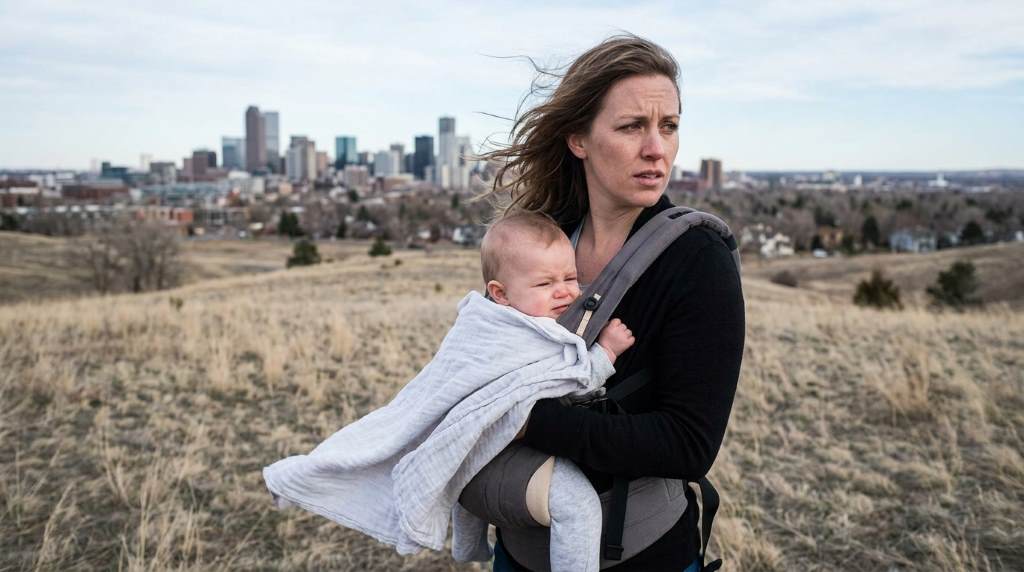
The safest way to shield an infant on windy Denver hills involves layered clothing, a weather shield, and careful positioning. Parents should reduce direct wind exposure, monitor temperature changes often, and use protective gear designed for infants.
Denver’s elevated terrain can create stronger gusts than many parents expect. According to weather observations, wind speeds can change quickly across hillsides, while infants lose body heat faster than adults. Understanding how to pick a baby stroller also helps create a safer outdoor experience during windy conditions.
Understand Why Wind Affects Infants Differently
Infants have smaller bodies and limited temperature regulation abilities. Therefore, wind can cool their skin much faster than expected.
Strong gusts may irritate sensitive eyes and airways. As a result, parents should take preventive measures before leaving home.
Proper clothing choices matter significantly during outdoor activities. Additionally, thoughtful items like unisex garments perfect for babies can provide practical layering options throughout changing weather.
Common Wind Related Risks
- Rapid body heat loss
- Dry or irritated skin
- Eye discomfort from blowing debris
- Increased fussiness and discomfort
- Unexpected exposure during weather shifts
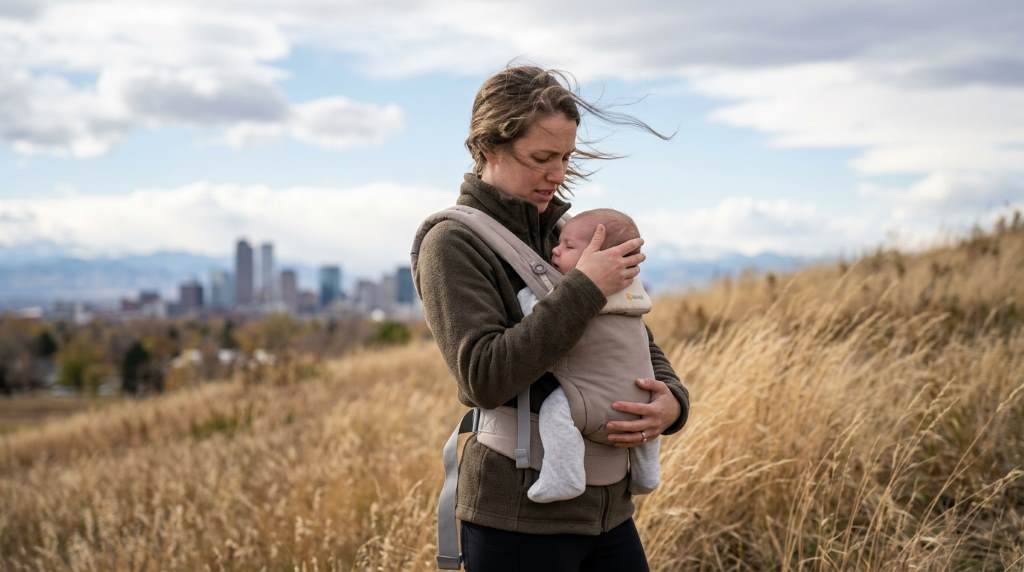
Dress Your Infant in Protective Layers
Layering provides flexibility when temperatures change throughout the day. Moreover, it helps maintain consistent comfort during outdoor outings.
Start with a breathable base layer against the skin. Then add an insulating layer and a wind resistant outer layer.
A hat should cover the ears securely during windy conditions. Likewise, mittens help protect small hands from cold air.
Parents often appreciate gear recommendations similar to guides covering the best portable baby swing options because portability and comfort remain important outdoors.
Ideal Layering System
- Moisture wicking base layer
- Warm middle layer
- Wind resistant jacket or bunting
- Covered feet and hands
- Properly fitted hat
Use the Right Stroller Protection
A stroller can serve as an effective wind barrier when configured correctly. However, parents should never block airflow completely.
Weather shields help reduce direct gust exposure during walks. Furthermore, quality canopies add another protective layer against changing conditions.
Position the stroller so the canopy faces incoming wind. Consequently, the infant remains more comfortable throughout the outing.
Many parents researching outdoor comfort also explore products like the jool baby nova nature swing because comfort focused designs often support healthy infant routines.
Stroller Safety Tips
- Check ventilation frequently
- Secure loose blankets carefully
- Use manufacturer approved covers
- Avoid thick coverings over air openings
- Inspect straps before every outing
Choose the Best Route on Denver Hills
Not every hillside experiences the same wind intensity. Therefore, route selection can improve safety dramatically.
Look for paths with trees, fences, or natural windbreaks. These features often reduce direct exposure significantly.
Avoid ridgelines during stronger wind periods whenever possible. Instead, choose lower elevation paths with better protection.
Areas to Avoid During Strong Winds
- Open hilltops
- Unprotected ridges
- Construction areas
- Dusty open spaces
- Steep exposed trails
Monitor Weather Conditions Before Leaving
Weather can change rapidly around Denver’s hills and valleys. Consequently, checking forecasts becomes an important safety habit.
Review hourly wind predictions before heading outdoors. Additionally, pay attention to sudden gust warnings.
If conditions worsen unexpectedly, shorten the outing immediately. Safety should always take priority over planned activities.
Weather Factors to Check
- Wind speed
- Wind gust forecasts
- Temperature changes
- Humidity levels
- Air quality conditions
Protect the Infant’s Face and Eyes
An infant’s face remains especially vulnerable during windy weather. Therefore, direct exposure should remain minimal.
Use stroller canopies to block airborne particles effectively. Meanwhile, keep the infant positioned away from direct gusts.
Parents should inspect the baby’s eyes occasionally during outings. If irritation appears, move to a sheltered location promptly.
Signs of Wind Irritation
- Frequent blinking
- Watery eyes
- Facial redness
- Persistent fussiness
- Rubbing the face
Watch for Temperature Changes
Wind chill can make conditions feel colder than expected. As a result, infants may become uncomfortable quickly.
Check the infant’s neck and chest periodically for warmth. These areas provide better temperature clues than hands.
Remove or add layers whenever conditions change noticeably. This approach helps prevent overheating and excessive cooling.
Signs Your Infant Is Too Cold
- Cool chest area
- Unusual fussiness
- Pale skin appearance
- Low activity levels
- Difficulty staying comfortable
Create a Wind Safety Checklist
Preparation reduces stress and improves overall safety outdoors. Therefore, keeping a checklist can simplify every outing.
Review essential items before leaving the house. Furthermore, confirm weather conditions one final time.
| Item | Purpose |
|---|---|
| Hat | Protects ears and head |
| Layers | Maintains body temperature |
| Weather Shield | Reduces wind exposure |
| Blanket | Adds adjustable warmth |
| Water Bottle | Supports caregiver hydration |
Conclusion
Shielding an infant on windy Denver hills requires planning, proper clothing, and smart route choices. When parents combine protective layers, stroller barriers, and weather awareness, outdoor experiences become much safer.
Before your next outing, review your gear, check conditions carefully, and prioritize comfort throughout the trip. Small precautions today can create a safer and more enjoyable experience for your infant.
FAQs
How windy is too windy for an infant outdoors?
Strong gusts that cause discomfort or reduce visibility should generally be avoided.
Should I cover the stroller completely during wind?
No, always maintain adequate airflow and ventilation around the infant.
What clothing works best for windy conditions?
Layered clothing with a wind resistant outer layer works best.
How often should I check my infant during a walk?
Check comfort, warmth, and positioning every few minutes.
Can wind chill affect infants even on sunny days?
Yes, wind chill can significantly increase heat loss despite sunshine.